
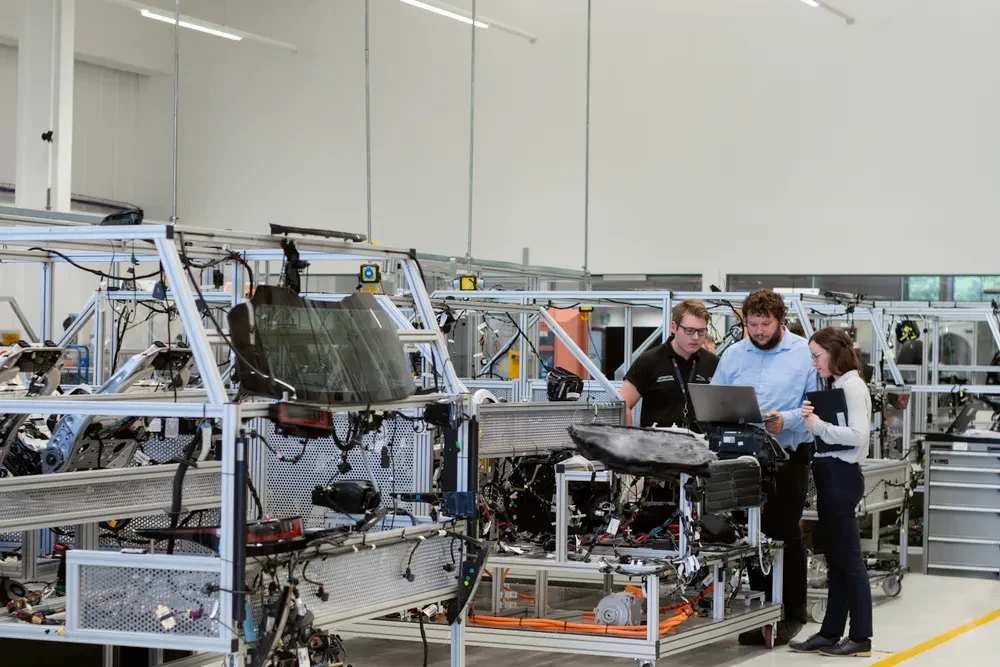
An overseas customer delegation is due to visit a factory. The meeting list is ready and production management has approved the programme. On arrival, however, the interpreter accompanying the group is not listed, and one participant asks to take photographs for promotional use. The officer at reception should not be expected to treat both requests as automatically included in the visit.
An interpreter is an important participant who enables communication; leaving their access outside the plan may disrupt the meeting itself. A photograph is an information output that can be used long after the visit. Admission, image creation and publication should therefore be prepared as separate decisions.
Consider language support and trust together
Tenzer and colleagues’ 2014 study examines language barriers and trust formation in multinational teams through 90 interviews. It highlights communication difficulties, but is not a factory experiment testing interpreter admission or photography procedures. [1]
Our recommendation is to identify beforehand which meetings, areas and explanations need interpreter support. Access and briefing requirements can then be matched to the actual task.
Include the interpreter in the task plan
The requesting department should explain who has appointed the interpreter and which parts of the visit require their participation. Attending a meeting, moving independently through a production area and retaining documents afterwards should not be bundled into one approval.
Name an owner for late changes. If someone replaces the approved interpreter, the receiving officer should notify the authorised host and follow the established admission process. Leaving a participant who needs language support with instructions they cannot understand compounds the planning gap.
Separate photography from publication
A photograph beside a machine may also capture a drawing, screen or another customer’s product in the background. The authorised business owner should explain beforehand which subjects and areas may be photographed. Security staff need an actionable instruction and should not be expected to invent a new commercial-confidentiality decision independently.
NPSA’s Secure Innovation guidance addresses identifying important business information and assets. [2] Our proposed application is for the business to decide what can be shared in advance.
Permission to take a photograph should not be assumed to include publication on social media or in the customer’s presentation. If later use needs separate review, explain who performs it in terms the visitor understands. A visit plan also does not automatically confer powers to inspect device contents or require deletion of images.
Make five decisions visible
- Which meetings and areas require interpreter support?
- Which host can approve an access change?
- How will permitted photography subjects and areas be explained?
- Who decides whether images may subsequently be used?
- In which language, and through whom, will site instructions be communicated?
HSE’s language-support guidance emphasises comprehensible communication. [3] Without importing its British legal context into Turkey, we use the practical question of whether visitor information is actually understood.
Test a short programme change
Suppose the delegation wants to visit a production line after the scheduled meeting. The host confirms interpreter participation and the necessary site briefing with the responsible people. If photographs are requested, the permission previously given for the meeting room must be checked against the new area.
This preparation supports a consistent explanation for visitors, an interpreter able to perform the agreed role and image-sharing decisions placed with the correct owner.
