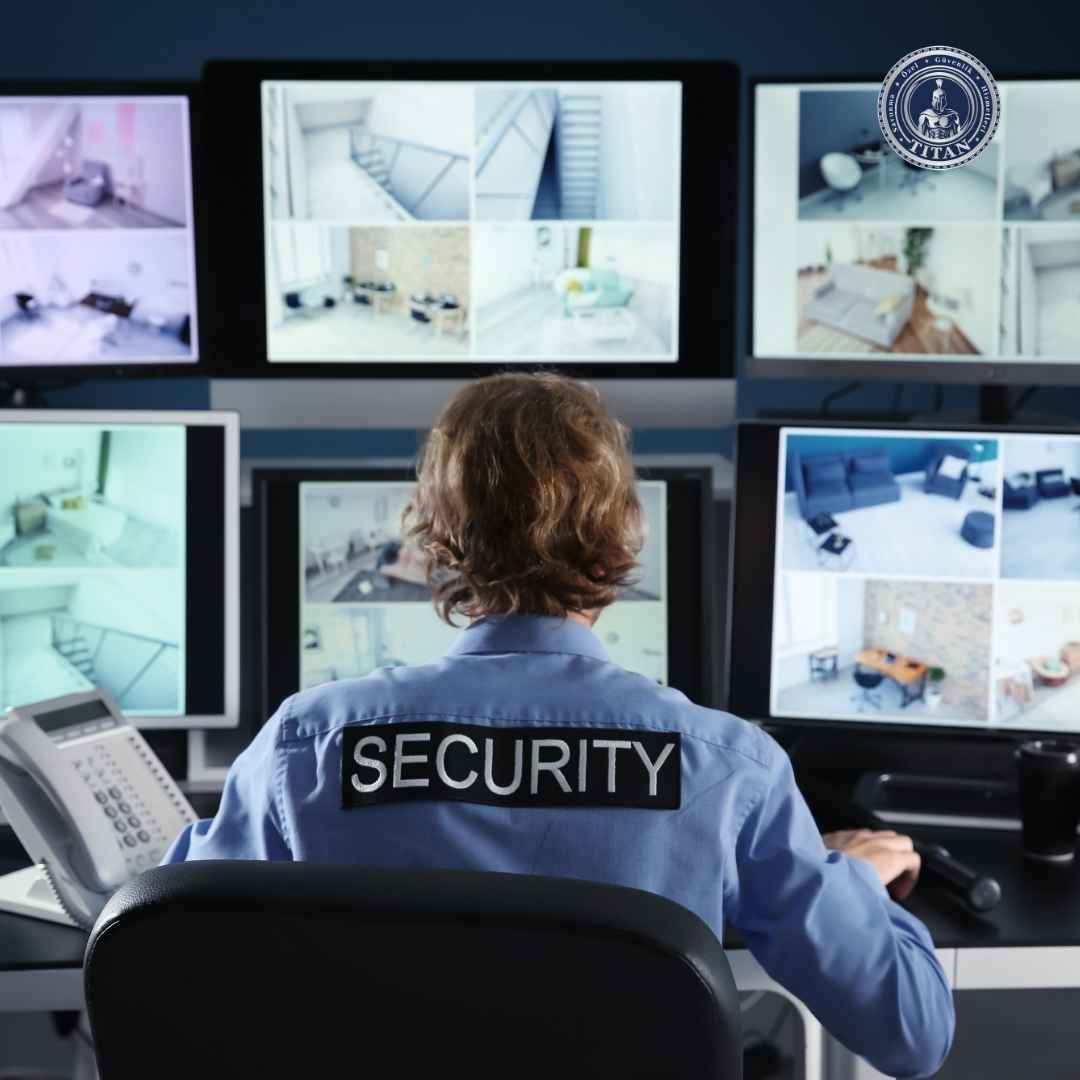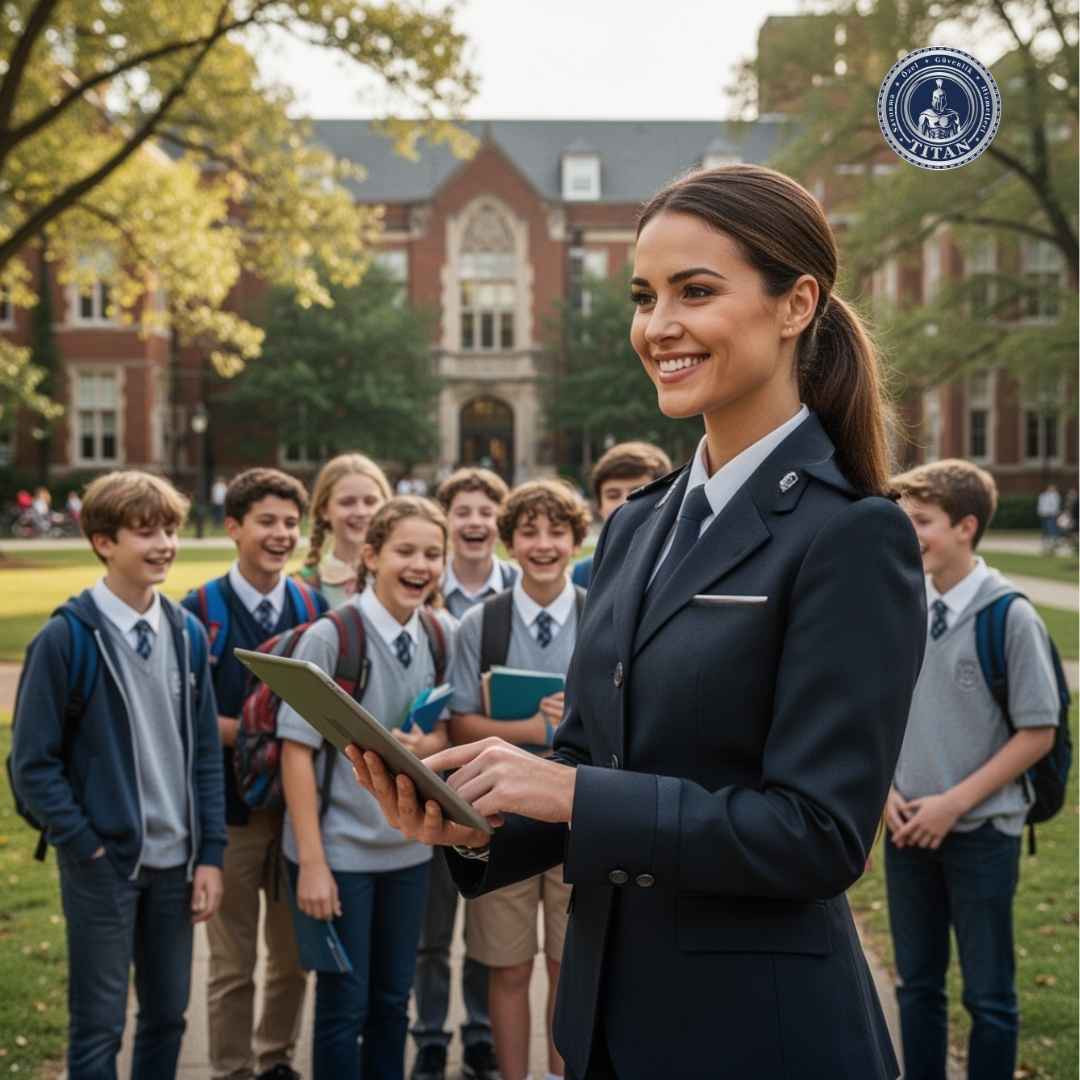
Preventing bullying requires more than controlling the school entrance or installing additional cameras. Children need to be able to report concerns, adults need to take those reports seriously, and the school needs a consistent follow-up process. A private security team can contribute, but it does not replace teachers, counsellors or child-protection specialists. The child's safety and dignity should come before the institution's reputation.
Join the school's whole-community approach
Work by Türkiye's Ministry of National Education and UNESCO supports addressing bullying through the school community. The practical implication for a security contract is to position officers within the school's reporting arrangements, rather than as an independent solution to the problem.
Identify who gives instructions on behalf of the school, whom officers contact during breaks and outside class hours, and the boundaries for communication with pupils. A short awareness course does not establish a qualification in teaching or psychological counselling.
Record observations rather than labels
A child who sits alone, avoids eye contact or appears anxious should not be classified solely on that basis as a victim or a risk. When witnessing an incident, an officer can pass the observed behaviour, time and location to the responsible school contact without adding a personal interpretation. Assessing personality or making a diagnosis is outside that role.
When a child asks for help, communication should neither dismiss the concern nor become an interrogation. Rather than requiring repeated accounts to different officers, direct the child appropriately to the school's designated person. An immediate danger requires the institution's emergency and reporting arrangements; this article does not prescribe physical intervention techniques.
Review overlooked areas without sacrificing privacy
School management can gather feedback about places where children feel unsafe and times when adult supervision is insufficient. Review duty locations and reporting routes against that assessment. Applying the same patrol schedule to every corridor is not a substitute for understanding where problems arise.
Privacy-sensitive areas such as toilets and changing facilities must not become subject to unrestricted observation in the name of greater supervision. Cameras, recordings and pupil information require separate legal and educational assessment. Images should not circulate through parent groups or personal messaging channels.
Keep responsibility clear after a report
An officer reporting an incident does not mean the school has completed its assessment. It should be clear which authorised person received the report and which follow-up process applies. Feedback to security can remain limited to what is necessary for its task; officers do not need the contents of a pupil's counselling discussion.
The school should assign responsibility for family communication, disciplinary assessment and counselling. A low recorded incident count is not automatically a positive outcome. Where children hesitate to ask for help, fewer reports may not mean fewer problems.
Test whether the provider understands school boundaries
Ask how an officer would report a pupil saying that someone forcibly took a possession. Whom would the officer contact, what would be recorded and which decisions would remain with a teacher or school manager? The response should not blame or punish the child seeking help.
Uniforms, polite greetings and camera numbers reveal only part of the service. A more meaningful measure is whether the working arrangement preserves role boundaries, keeps reports from being lost and supports the school's child-centred approach.