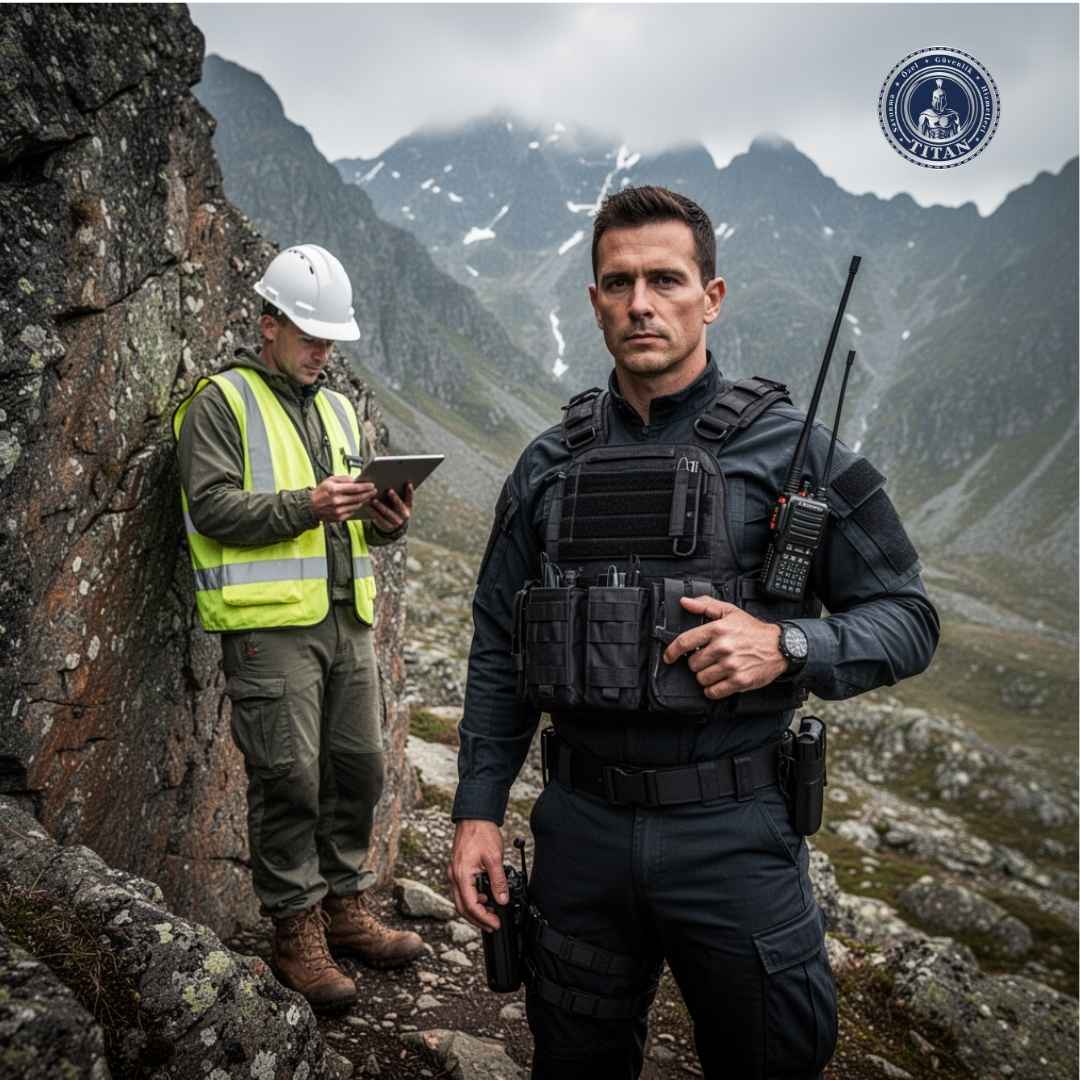

A security service at a construction site or mine is not ready merely because officers have arrived at the gate. Safe access, suitable posts, communications, current site information and emergency coordination must be in place. Project size or remoteness alone does not determine the appropriate number of officers or vehicles.
This guide assesses whether a supplier understands the assignment through its mobilisation preparations. Construction and mining hazards are not identical, and underground workings, open pits and surface facilities also need distinct consideration.
Align the assignment with the current work plan
Construction or production changes can affect posts and patrol areas. New excavations, closed roads, heavy-vehicle routes and relocated stores should feed into security instructions. Ask who receives change information and how it reaches officers.
Choose posts using more than visibility alone. Consider vehicle movements, weather, dust and nearby activities. HSE's construction transport guidance illustrates the importance of planning separation between people and vehicles; Turkish implementation must rest on the local occupational safety assessment.
Include shift logistics in the proposal
Travel to remote sites, handovers, breaks, meals, basic facilities and communications affect service continuity. Allocate responsibility and plan for road closures before pricing. Recruiting resilient people does not solve these organisational needs.
Where lone working is involved, assess risk, supervision and contact arrangements separately. A vehicle or tracking device does not automatically create safe conditions. Driving, technical work and rescue tasks requiring particular competence need separately defined scope.
Do not confuse gate admission with permission to work
Security can implement approved employee, visitor and vehicle lists. An entry record does not comprehensively establish that someone is competent and ready for a technical task. The operator should identify who owns decisions about safety induction, permits and technical qualifications.
A visible deficiency in required protective equipment can be reported to the responsible person. That check does not replace the employer's entire risk assessment and supervision responsibilities. A security service should not be described as removing all accident or legal exposure.
Recognise different reasons for material release
Equipment may leave for maintenance, rental return, transfer or scrapping as well as sale. Checking only for an invoice is therefore insufficient. Match the material, transaction purpose, carrier and authorised release.
A discrepancy is not a commercial decision for the officer to resolve independently. Provide a documented escalation and approval route. Investigate stock or fuel differences against relevant records before concluding that theft occurred.
Define emergency boundaries before starting
Mine rescue, collapse response, electrical work and explosives activities require specialist competence. Do not expect security officers to perform technical interventions outside their training and authority. The approved plan may assign them reporting, access-control and response-team guidance duties.
At mobilisation, discuss lost communications, a closed route and an unplanned technical visitor. Record outstanding issues, owners and completion evidence. A proposal is more useful when it demonstrates readiness under defined conditions than when it promises flawless performance in every circumstance.