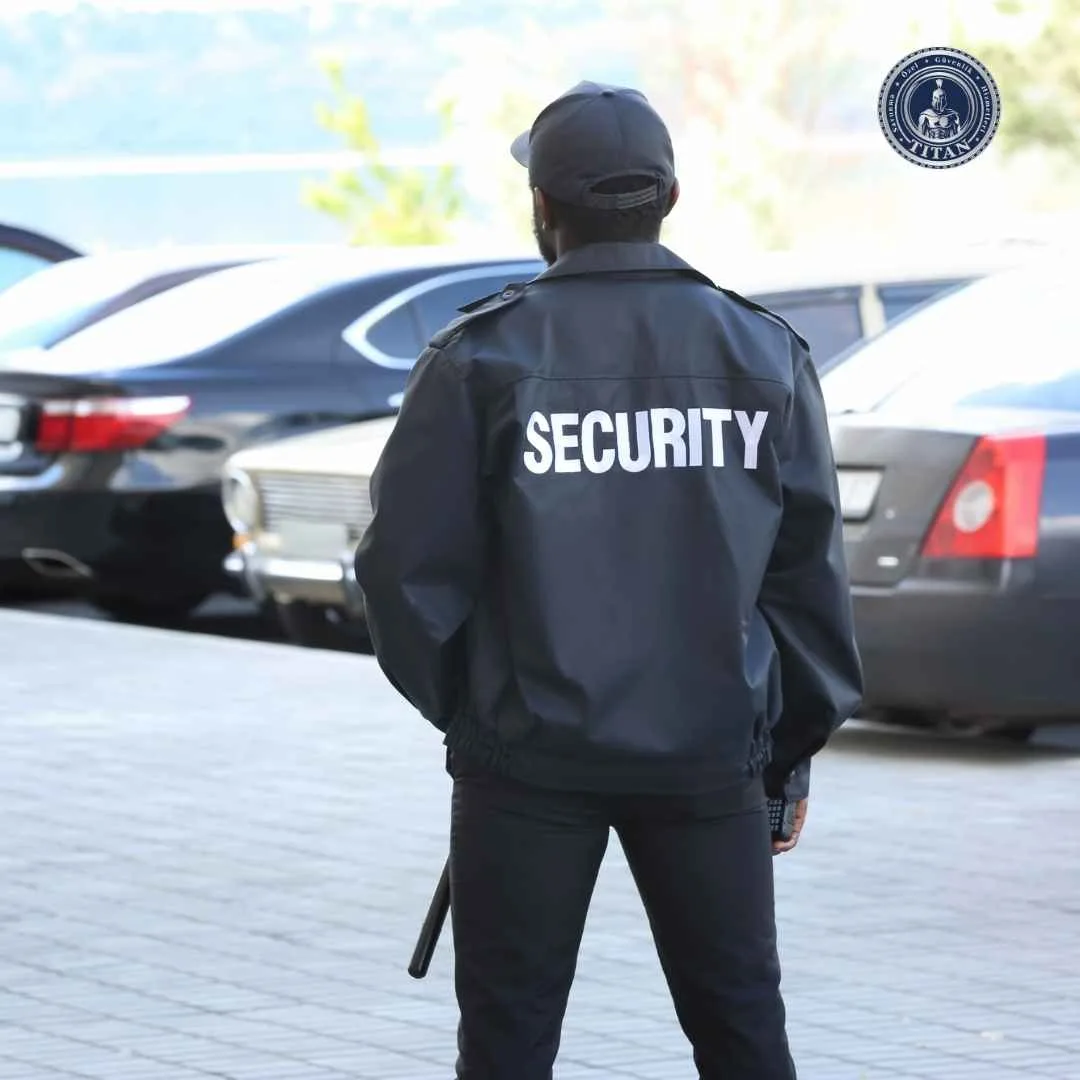
When a sealed container or trailer arrives at a factory, warehouse or terminal gate, the security officer's job is limited but important: confirm the seal is present, compare its number with the documents, notice visible signs of tampering, record the check and escalate to the right person. The officer does not open, cut or replace a seal and does not decide anything about the goods' customs status. In Turkey, customs (gümrük idaresi, under the Ministry of Trade) is the authority for customs matters.
This article explains gate-level seal checks for exporters, importers, logistics operators and site managers, using ISO 17712, the US CTPAT programme, the World Customs Organization (WCO) SAFE Framework and Turkey's Authorised Economic Operator scheme. This article is general information, not legal advice.
Two different seals: commercial security seals and customs seals
Seals that look alike at the gate may serve different purposes:
- Commercial high-security seal: applied after loading by the shipper or the party loading on its behalf. CTPAT criterion 6.2 requires a seal that meets or exceeds the most current ISO 17712 high-security seal standard; its implementation guidance places the seal on the secure cam position of the right-hand door where available (CBP, CTPAT Minimum Security Criteria).
- Customs seal: part of a customs procedure. For example, the Turkish Ministry of Trade explains that under the authorised consignor (izinli gönderici) scheme the vehicle is sealed at the company's own facility and sent directly to the exit customs office (Ministry of Trade).
The WCO SAFE Framework states that seal integrity programmes rely on high-security mechanical seals as prescribed in ISO 17712 and include recording the affixing, changing and verification of seals at key points (WCO SAFE Framework). The practical lesson for the gate: written instructions must say which seal belongs to whom, and who to call when something does not match.
Verifying at the gate: the VVTT method
CTPAT criterion 6.7 describes a four-step seal verification process known as VVTT:
- View the seal and the container locking mechanism.
- Verify the seal number against the shipping documents.
- Tug on the seal to make sure it is affixed properly.
- Twist and turn a bolt seal to make sure its parts do not unscrew or separate.
VVTT was written for CTPAT shipments to the United States, but it is a clear, trainable routine for any factory or warehouse gate in Turkey. The check is done without breaking the seal and without interfering with any customs seal.
For the check to mean anything, the officer needs the reference data before the vehicle arrives. For an inbound container of raw materials, the logistics team should send the expected seal number to the gate as an advance notice. If the officer only reads the number from the driver's papers, a seal and document swapped together is much harder to spot. For outbound loads, it is good practice for the person who applies the seal and the person who checks it at the gate to be different, with two records that match. The same data must be available at night and at weekends so that checks do not weaken at shift changes.
Tamper indicators: what does the officer look for?
Gate officers are not forensic examiners. They are expected to notice deviations from the normal picture and record them. At planning level, the main points are:
- A seal number that differs from the documents, the advance notice or the vehicle booking.
- A seal fitted somewhere other than the expected position.
- Breaks, re-gluing, looseness or unusual marks on the seal or the door hardware.
- A driver saying the seal was changed en route, with no document or notification to show it.
CTPAT criterion 6.5 also expects companies to know the tamper-indicative features of the seals they buy. Take that information from the seal supplier's documentation and build it into gate training.
Records: the seal log and inventory
Under CTPAT criterion 6.1, seal management is restricted to authorised staff, seals are stored securely, and the receipt, issue and use of seals are tracked in a seal log. Criterion 6.6 requires periodic inventory counts reconciled against the log and shipping documents.
The gate security record for every sealed vehicle should include at least: date and time, plate and trailer or container number, seal number seen, seal number on the documents, result of the check, the officer who performed it and, where relevant, who was notified. Electronic records are fine, provided they are tamper-resistant, traceable and easy to show in an audit.
When something does not match: who decides?
CTPAT criterion 6.1 says altered or tampered seals should be retained to aid investigations, discrepancies investigated, and compromised seals reported to the relevant authorities where applicable. At a site in Turkey the steps can be ordered like this:
- The officer holds the vehicle outside or in a designated waiting area, does not open the seal and does not interfere with the vehicle.
- The officer records the finding and notifies the site contact named in the instructions (logistics, customs broker liaison or security manager).
- If a customs seal is involved, the process runs through the customs office and the company's licensed customs broker.
- If a crime is suspected, the police or gendarmerie are informed. Article 9 of Law No. 5188 on Private Security Services requires incidents involving use of force or apprehension to be reported to the general law enforcement by the fastest means.
Private security officers' powers are those listed in Article 7 of the Law, used only on duty and within their duty area (Article 9). Opening containers, counting goods or deciding customs questions are not among them.
Link to AEO and CTPAT-style controls
Turkey's Authorised Economic Operator status (Yetkilendirilmiş Yükümlü Statüsü) requires, according to the Ministry of Trade, a proper and traceable record system and appropriate safety and security standards. For companies holding or applying for this status, gate and seal records are among the documents an auditor may ask for. Turkish manufacturers exporting to US buyers that are CTPAT members may face similar questions in supplier audits.
So the seal procedure should belong to the site, not to the security contractor. The security team applies it and keeps the records; site management and the customs function own it. For site-wide arrangements, see our logistics and warehouse security and factory security pages.
Short checklist and common mistakes
- Do the instructions distinguish commercial seals from customs seals?
- Can the gate officer see the expected seal number before the vehicle arrives?
- Is the escalation contact, and a backup, written down?
- Have officers practised VVTT on a real seal?
- Are gate records periodically reconciled with the site's seal inventory?
The most common mistake is checking the seal number only against the driver's word. The second is leaving the officer to decide alone when there is a discrepancy. Both are solved by written instructions. A third is writing the procedure once and leaving it; CTPAT expects seal procedures to be reviewed at least once a year. When the seal supplier, seal type or carrier changes, update the instructions and gate training too.
Titan Savunma is an Ankara-based private security company holding an operating licence from the Ministry of Interior under Law No. 5188, with ISO 9001, 14001, 45001, 22301 and 28000 certificates. We work with international clients in English and Turkish and plan services for sites in different provinces with a single point of contact, written scope and regular reporting. Learn more on our private security in Turkey page.
Sources and Further Reading
- CTPAT Minimum Security Criteria - Foreign Manufacturers (March 2020), U.S. Customs and Border Protection
- SAFE Framework of Standards (June 2025), World Customs Organization
- Ticaretin Kolaylaştırılması - Sıkça Sorulan Sorular, T.C. Ticaret Bakanlığı
- 5188 sayılı Özel Güvenlik Hizmetlerine Dair Kanun, Mevzuat Bilgi Sistemi