
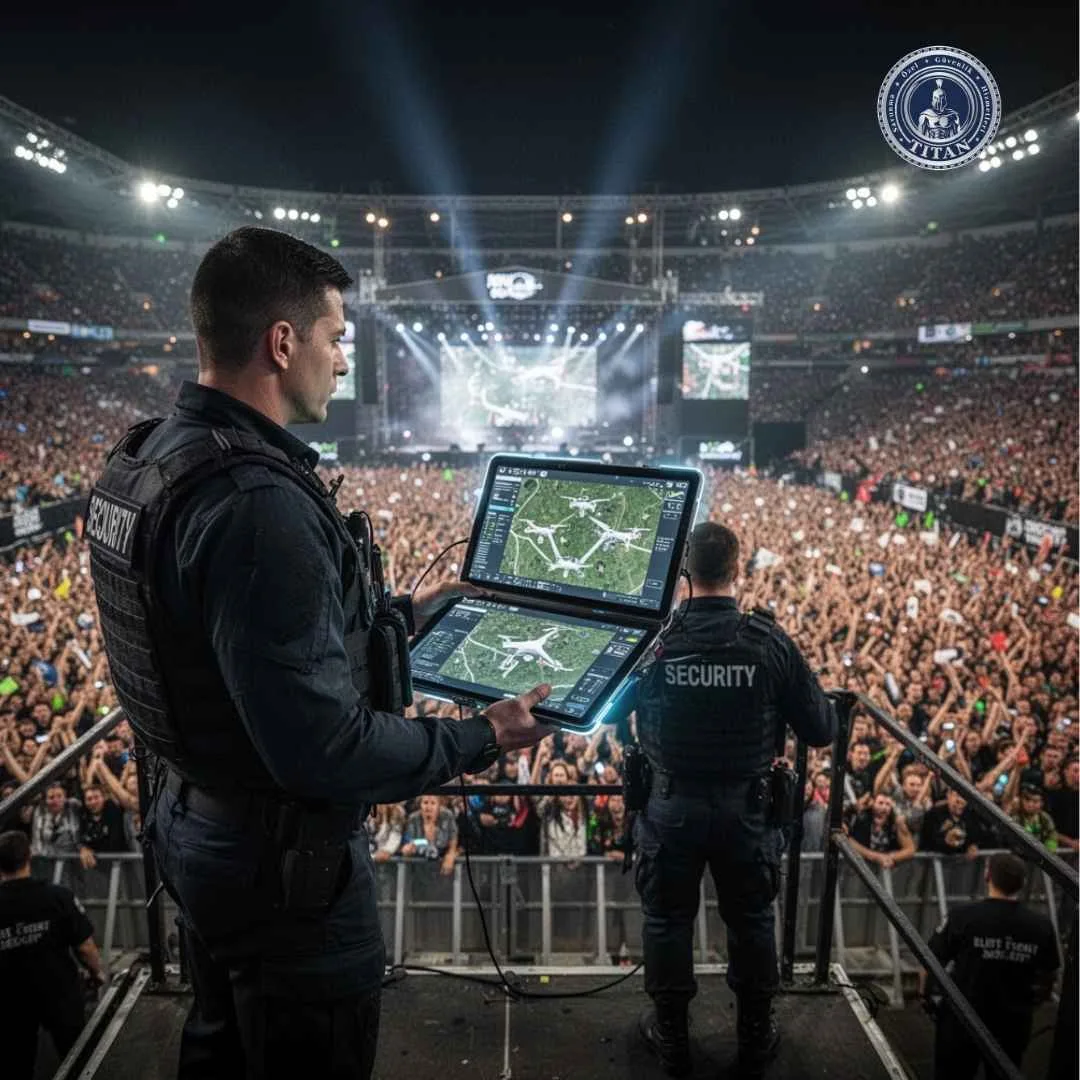
Short answer: the classic picture of "mass panic", in which people suddenly lose their reason and trample each other, is rarely what researchers find. In emergencies people mostly behave in orderly, cooperative ways and help strangers. Most fatal crowd crushes are explained by physics rather than psychology: once density in a confined space passes a certain point, the crowd starts to behave like a fluid and pressure waves form that no one inside can control.
The panic myth: what studies show
John Drury, Chris Cocking and Steve Reicher, from the universities of Sussex, London Metropolitan and St Andrews, interviewed 21 survivors of 11 different emergencies and published their findings in the British Journal of Social Psychology in 2009. They note that the idea of mass panic has been largely rejected in academic psychology and sociology but remains entrenched in popular accounts and in some crowd models.
Accounts of helping, order and courtesy were prominent throughout the interviews, and most of the helping was between strangers rather than friends or family. The panic model predicts that people become more selfish as the threat of death grows; this study found the opposite. Survivors who reported a strong sense of unity with the crowd described more helping, and some said explicitly that it was the shared danger that brought them together. The researchers interpret this as shared danger creating a shared identity, which in turn drives solidarity.
The 2009 crowd behaviour guidance prepared for the UK Cabinet Office by researchers at Leeds University Business School reaches the same conclusion: panic is actually very rare, and behaviour typically remains structured, organised, helpful and cooperative. It advises planners to make use of people's willingness to help each other.
Why crushes happen: the physics of density and flow
A crowd can suffer a deadly crush even if everyone in it stays calm. Dirk Helbing, Anders Johansson and Habib Zein Al-Abideen analysed video of the crowd disaster in Mina during the Hajj on 12 January 2006 and published the results in Physical Review E in 2007 (open version). They found two sudden transitions: from smooth flow to stop-and-go waves, and then to irregular "turbulent" motion.
- In this event, once local density exceeded about 6 people per square metre, local flow fell by a factor of three or more, outflow dropped below inflow and compression kept building.
- As a rule of thumb from the authors' data, peak local densities were about twice the average, so watching the area as a whole can miss the most dangerous spot.
- In the turbulent phase, sudden releases of pressure, which the authors compare to earthquakes, could displace people and knock them over.
- The authors also cite the crowd-safety pioneer John Fruin's observation that at about 7 people per square metre a crowd becomes almost a fluid mass.
These figures are research observations from the analysis of one specific incident and from earlier field reports; they are not safe-capacity figures or planning thresholds for any venue. Capacity and flow planning depends on the venue's layout, the type of event and the applicable rules, and should be done by competent specialists.
None of this requires anyone to panic. As people try to stay upright and breathe, chains of force pass through the crowd that go beyond any individual's choices. Describing a crush as a "panicking crowd" therefore hides the real cause and puts the blame in the wrong place.
Early warning signs
The most practical finding concerns timing. The accident began about 10 minutes after turbulent motion set in and more than 30 minutes after average flow fell below a critical threshold. Stop-and-go waves could be spotted in accelerated surveillance footage. The disaster did not come out of nowhere: the signs were visible well in advance, leaving time for corrective measures such as flow control. The authors note that their insights fed into organisational changes that made the following year's Hajj safer.
The role of poor communication
The most harmful consequence of the panic myth is that managers withhold information so as not to "cause panic". The Cabinet Office guidance is clear:
- Do not withhold information from the crowd during an emergency; more information about the threat helps people respond effectively.
- Do not delay warnings for fear of panic; that only delays evacuation.
- Avoid telling people "not to panic", which can raise anxiety by implying panic is expected.
- Make exit routes and signs as visible as possible.
- Test communication systems before the event and again on the morning of the event, with back-ups ready.
Lessons for organisers: information, flow, early action
- Plan for density: identify bottlenecks, corners, intersections, counter-flow areas and entry and exit points in advance. The guidance recommends extra stewarding at these points and directing people towards less crowded areas.
- Watch the tightest spot, not the average: a crowd that looks comfortable overall may be dangerously dense in front of one gate.
- Manage flow physically: barriers used as wave breakers, one-way routes and metered entry stop compression before it starts.
- Use cameras as an early-warning tool: when you see stop-and-go movement or surging, slow entry and open alternative exits.
- Make clear, honest announcements: say what is happening, where to go and why, using audio and visual channels together.
- Harness people's willingness to help: when stewards give a crowd structure and direction, solidarity grows naturally.
For the basics, see our encyclopedia entries on crowd density and crowd management. To see how gates, stands and exits interact in a venue, explore the stadium digital twin.
How media language shapes response
Headlines such as "panic caused a stampede" make an incident sound like the crowd's own fault. As Drury and colleagues point out, the panic concept persists in popular accounts. When planners share that assumption, they hold back information, delay warnings and neglect the real risk, which is density. More accurate language names measurable causes such as "excessive density" and "insufficient flow capacity" and treats the crowd as part of the solution, not the problem.
Quick checklist for individuals
- Note at least two exits when you enter a venue.
- If you notice stop-and-go movement or tightening around you, do not wait: move away from the densest area early, before surging begins.
- Agree a meeting point if you are with children.
- Follow stewards' directions and report hazards you see.
- If someone is injured, call the local emergency number (112 in Turkey and across Europe).
Crowd safety comes from measurement, planning and trained staff, not good intentions. Titan Savunma is an Ankara-based private security company operating under a Ministry of Interior licence issued under Law 5188; it works with international organisers in English and Turkish and plans events with written scope, a single point of contact and regular reporting. See our concert and event security page.
Sources and Further Reading
- British Journal of Social Psychology — Drury, Cocking & Reicher, Everyone for themselves? A comparative study of crowd solidarity among emergency survivors (2009)
- UK Cabinet Office Emergency Planning College / Leeds University Business School — Understanding Crowd Behaviours: Guidance and Lessons Identified (2009)
- Physical Review E — Helbing, Johansson & Al-Abideen, The Dynamics of Crowd Disasters: An Empirical Study (2007, arXiv version)


