
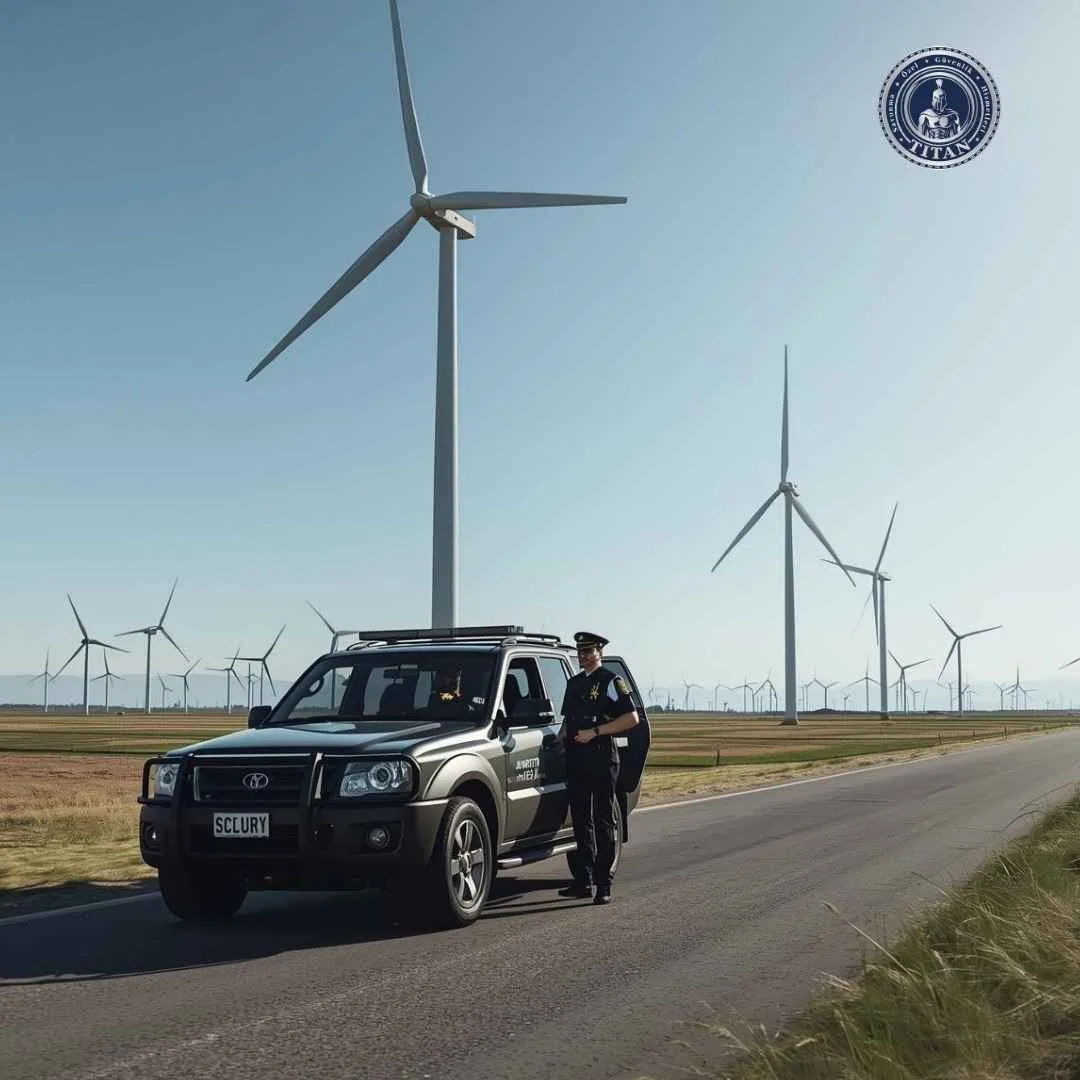
Foreign visitors can drive in Turkey with the licence issued in their own country for a limited period: under the Highway Traffic Regulation, as amended in 2020, foreigners may drive with a foreign licence for up to six months from their date of entry, after which they need to exchange it for a Turkish licence, subject to any bilateral or international agreements. Beyond the paperwork, safe driving here comes down to the same basics as anywhere: moderate speed, seat belts for everyone, no phone use at the wheel, and a calm routine if a crash happens. In an emergency, call 112.
This article is general information, not legal advice. Check the current rules with the official authorities or your employer's legal adviser before relying on them.
Is my foreign driving licence valid in Turkey?
The Highway Traffic Law No. 2918 leaves the details to a regulation: Article 39 of the law states that the procedures for exchanging licences obtained abroad, and for driving in Turkey with them, are set by regulation. That regulation is Article 88 of the Highway Traffic Regulation. According to the text of the article as amended in the Official Gazette of 5 June 2020:
- Foreigners may drive with licences obtained abroad for at most six months from the date they entered Turkey.
- To keep driving after six months, the foreign licence must be exchanged for a Turkish licence.
- These rules apply without prejudice to other laws and to bilateral and multilateral agreements.
For Turkish citizens with a licence issued abroad the article sets different periods, which is worth knowing for dual nationals. Two practical points follow. First, the six months run from your entry date, so frequent travellers and long-term assignees should not assume the clock restarts automatically. Second, regulations change: before a long assignment, confirm the current position with the official authorities or a legal adviser, and keep your passport entry stamp or record handy.
What the road safety evidence says
The World Health Organization's fact sheet on road traffic injuries puts the global toll at about 1.16 million deaths a year and notes that road traffic injuries are the leading cause of death for children and young adults aged 5 to 29. It also quantifies the factors any driver controls:
- Speed: every 1% increase in mean speed produces a 4% increase in fatal crash risk.
- Seat belts: wearing one can reduce the risk of death among vehicle occupants by up to 50%.
- Child restraints: their use can lead to a 71% reduction in deaths among infants.
- Phones: drivers using mobile phones are about four times more likely to be involved in a crash, and WHO notes that hands-free phones are not much safer than hand-held ones.
- Alcohol: crash risk rises even at low blood alcohol levels and increases significantly from 0.04 g/dl.
None of this is specific to Turkey, and that is the point: the habits that keep you safe at home keep you safe here. A new environment, unfamiliar signs and jet lag simply make those habits more important.
Cities, motorways and winter conditions
In cities, traffic in Istanbul, Ankara and Izmir can be dense and assertive, with frequent lane changes, buses pulling out and motorcycles filtering between lanes. Leave more space, use navigation with voice guidance set before you start, and expect pedestrians to cross away from crossings. Parking is often tight; use official car parks rather than leaving a car where it may block traffic.
On motorways, distances between cities are long and many routes have toll sections that use electronic payment systems; ask your rental company how tolls are charged on your vehicle before you set off. Plan fuel and rest stops, and take a break at least every two hours on long drives.
In winter, conditions vary enormously across the country. Coastal areas may be mild while the Central and Eastern Anatolian plateaus, including the roads around Ankara, can have snow, ice and fog from late autumn to spring. Ask whether your rental or company car has winter tyres, carry warm clothing, water and a charged phone, check the weather and road status before mountain passes, and be prepared to postpone a journey. Winter tyre rules can differ by vehicle type and change over time, so for a private or rental car ask the provider what applies.
After a crash: a practical card
| Step | What to do |
|---|---|
| 1. Make it safe | Stop without creating further danger, switch on hazard lights, put on a reflective vest if you have one and get passengers to a safe place away from traffic. |
| 2. Call for help | If anyone is hurt, call 112 immediately and give first aid only within your competence. |
| 3. Exchange details | Show and request identity, address, licence, vehicle registration and insurance policy details. |
| 4. Record the scene | Photograph vehicle positions, damage, plates and road signs before moving anything, unless the vehicles are blocking traffic or creating danger. |
| 5. Report or agree in writing | For damage-only crashes, the parties may record the incident in writing between themselves; otherwise wait for the police or gendarmerie. |
| 6. Inform | Call your rental company or fleet manager and your insurer, and keep copies of all documents. |
This card reflects Articles 81 and 82 of Law No. 2918. Drivers involved in a crash must stop, take safety measures, avoid changing the scene where traffic and safety are not affected, show their identity, licence, registration and insurance details on request, and notify the authorities without leaving the scene before they arrive or allow it. Where only material damage has occurred, if everyone involved agrees that an officer need not attend, they may record the incident in writing between themselves and leave. Drivers passing or involved in a crash must also take first-aid measures and notify the nearest police or health facility. Rental and company cars usually carry a blank accident report form; ask for it when you collect the car.
Night driving, long journeys and company policy
Night driving combines fatigue, reduced visibility and, on rural roads, unlit vehicles or animals. Visitors on business trips are often tempted to drive after a long day of meetings or straight from a late flight. A simple rule avoids most of the risk: no self-driving between cities after dark, and no driving on the day of a long-haul arrival.
Organisations that send staff to Turkey owe them a duty of care, and road travel is usually the biggest everyday risk. A practical company vehicle policy covers:
- Who may drive, with which licence, and how the six-month rule is tracked for assignees.
- When a chauffeur-driven car is required (long distances, night travel, senior executives, unfamiliar regions).
- Vehicle standards: seat belts in all seats, child restraints where needed, winter equipment.
- No phone calls while driving, hands-free included, and a zero-tolerance alcohol rule for company journeys.
- A short driver briefing and the accident card above in every vehicle.
- Journey management: route, timings and check-in calls for long trips.
Our article on executive ground transport options in Turkey compares self-driving, chauffeured cars and close protection, and the situational awareness entry explains the habit that underpins safe travel.
Quick checklist
- Know your entry date and the six-month limit; keep your licence and passport with you.
- Seat belts for everyone, child seats for children; no phone calls while driving, and set navigation before you start.
- No alcohol before driving.
- Check weather and road status in winter; carry warm clothing and water.
- Keep 112, your rental company and your insurer's numbers in your phone.
Titan Savunma is an Ankara-based private security company licensed by the Ministry of Interior under Law 5188, working with international companies in English and Turkish. We help organisations decide between self-driving, chauffeured transport and close protection, and plan movements across provinces with a single point of contact and regular reporting; see our security partner for international companies page.


