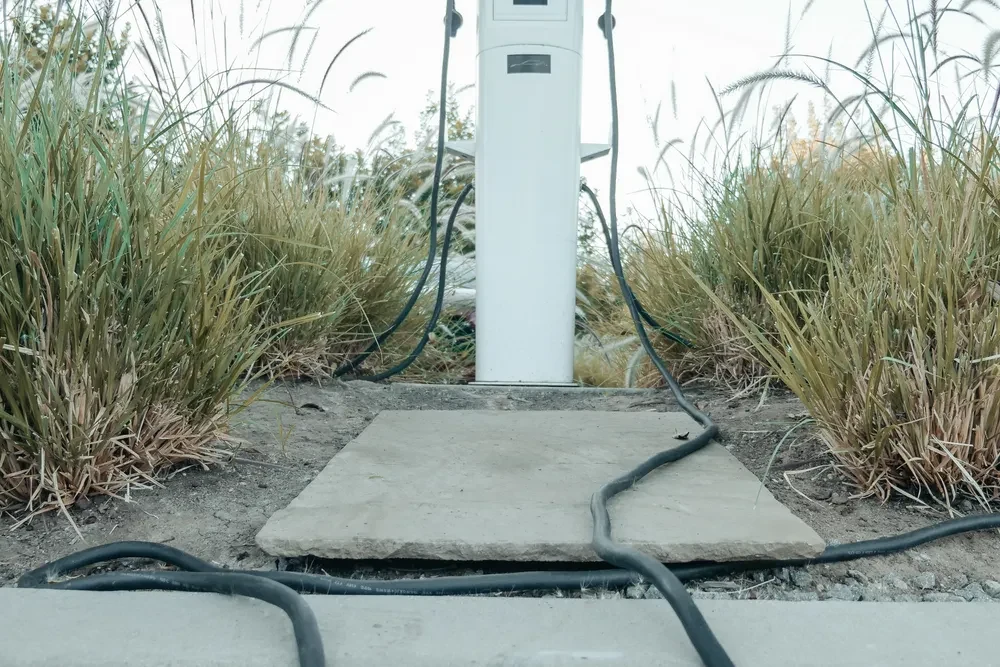
A driver who cannot start charging in a shopping-mall car park approaches the nearest security officer. The officer may be a helpful first contact, without being responsible for resolving payment issues or repairing the charger. The site operator, charging-network operator and security provider can agree a short routing process.
Understand the request, connect the user with the proper support channel and handle any separate personal-safety or site-management need within the assigned role.
Research distinguishes installation from usability
Rempel and colleagues’ 2024 journal study tested public fast chargers in the San Francisco Bay Area and identified different causes of failed use. Its local rates cannot be generalised to Turkey, and it does not establish that security personnel can diagnose technical faults. [1]
The useful application here is that “not working” may conceal different support needs. Giving the user an opportunity to describe the stage at which help is required makes the request easier to route.
Separate three types of need
The first is service support: charging does not start, there is a payment question or the user needs help with the application. These matters should reach the charging operator’s authorised support channel. EPDK’s guidance similarly explains that a non-functioning station should first be reported to the relevant charging-network operator. [2]
The second concerns personal safety or site conditions. A reported hazard, incident or request for assistance should activate the operator’s approved notification and emergency arrangements as appropriate. The third is a separate need for support arising from threats or aggressive conduct. Making a complaint should not, on its own, place a user in that third category.
Identify the authorised contacts
Explain how to reach the authorised service owner. Technical intervention and return-to-service decisions should remain within appropriate competence and responsibilities. Opening equipment, changing connections or troubleshooting through trial and error should not become part of a general guarding assignment.
The US Department of Energy’s operation and maintenance guidance addresses responsibility for maintaining and troubleshooting charging infrastructure. [3] The security contract can clarify the connection between user and technical owner.
Agree a short notification record
The parties can use:
- The location or equipment reference needed to identify the charger.
- A short account of the request in the user’s own terms.
- A distinction between direct observation and information reported by the user.
- The authorised support channel notified and any case reference provided.
- The owner of any outstanding site-management task.
Payment details, account passwords and unnecessary identity information should not enter this general incident record. The user’s technical-support case and the site record can be linked where appropriate without collecting the same detailed information twice.
Close with two separate questions
Did the user reach the appropriate support channel? Is any separate site-safety action still open? Even if the first answer is yes, that does not establish that the fault has been repaired. The authorised operator should confirm service status.
Walk through an example during procurement. Can the officer explain where the user should be directed and when separate assistance is needed? The desired outcome is an accountable chain that does not leave the request unowned.