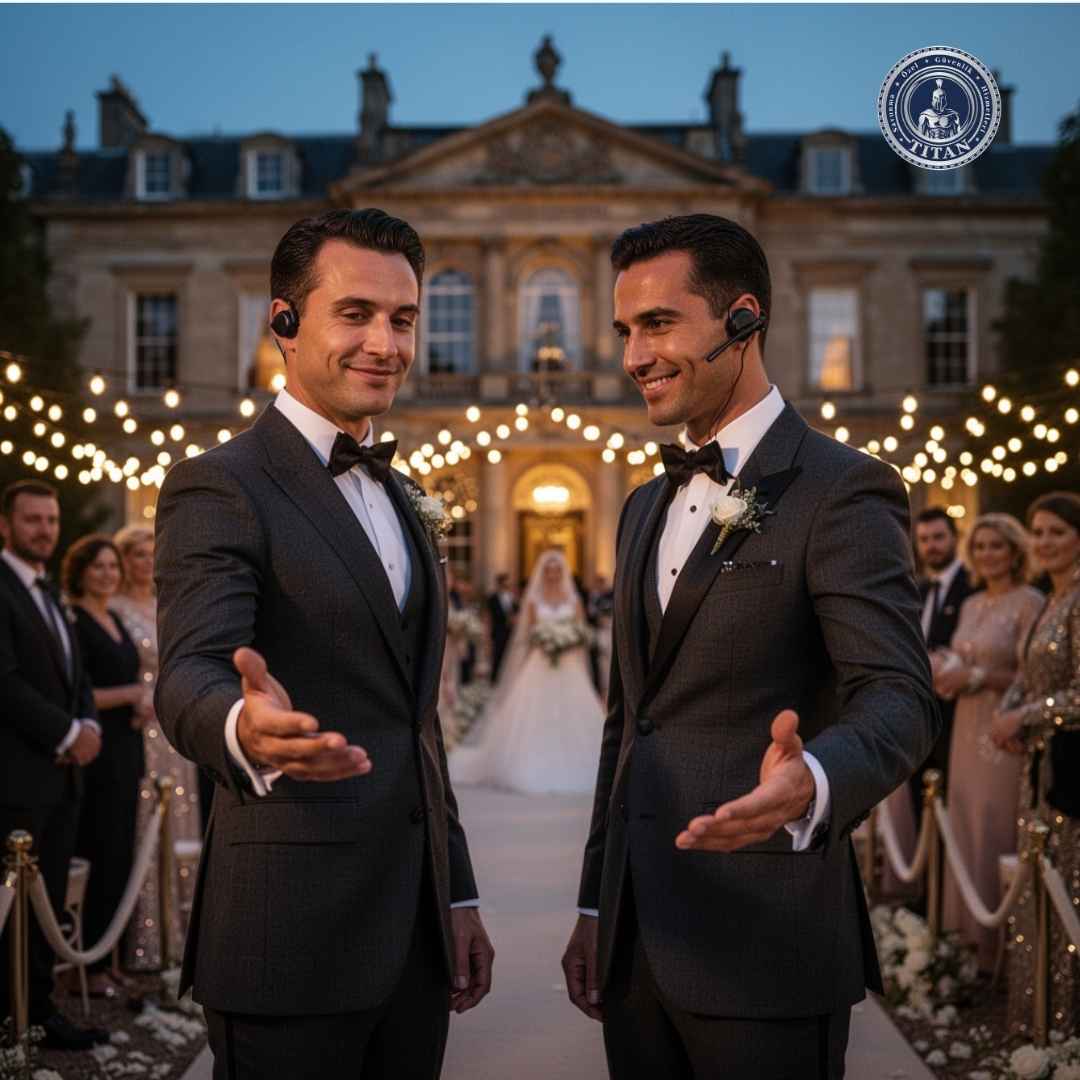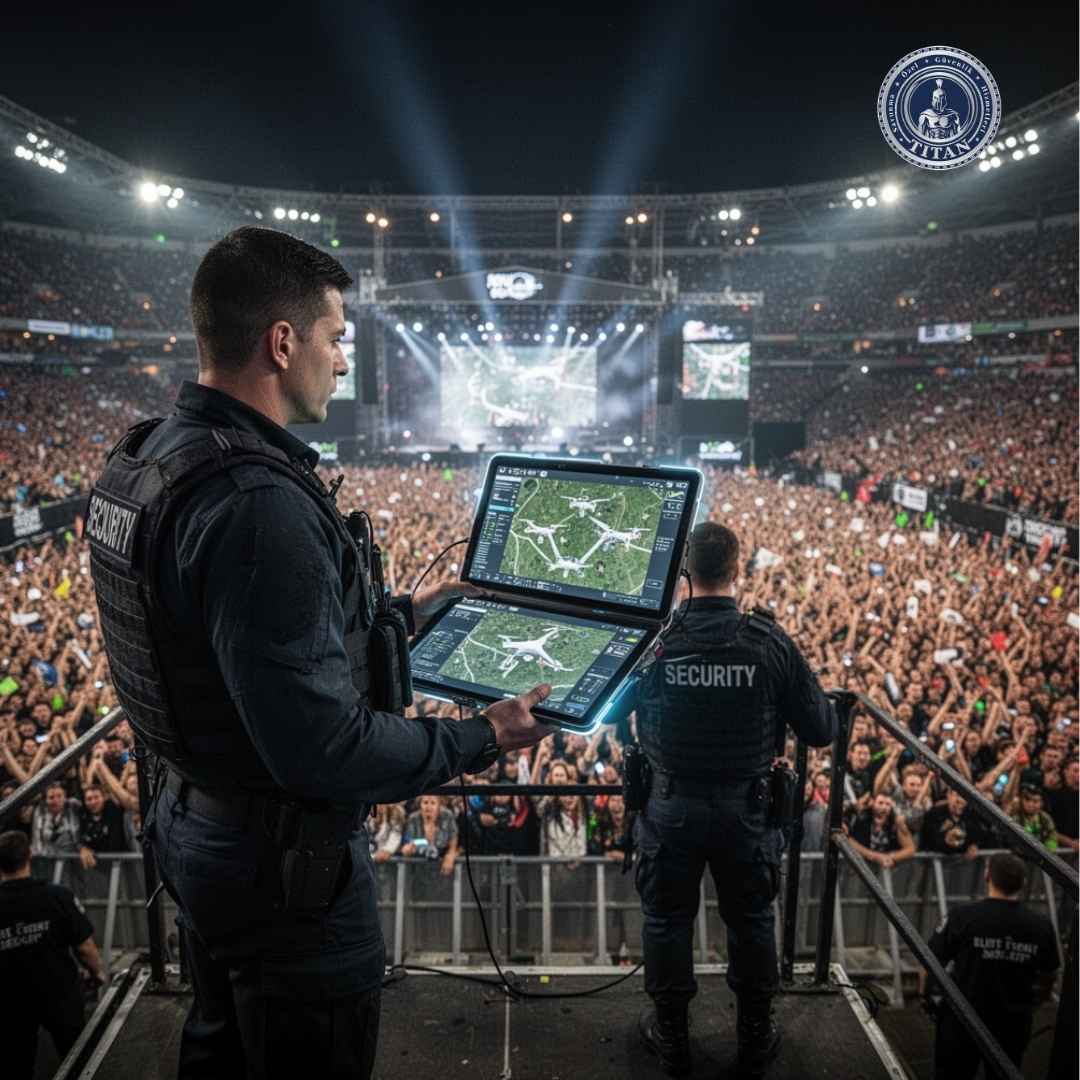
An event security proposal cannot be assessed only by the number of officers supplied. Admission checks, audience guidance, backstage access and emergency coordination create different demands. The same headcount can represent very different services under different duty plans.
Clarify the responsibilities of the organiser, venue operator, security supplier and other teams together. A guarding contract does not remove every planning responsibility from the organiser. HSE's crowd guidance and NPSA's event contractor guidance are useful foreign practice resources; they do not replace Turkish permissions and assignment requirements.
Read the proposal alongside its duty positions
Ask each candidate to describe the purpose, operating time and supervisory relationship of every position. Ticket scanning, providing information and checks requiring private security powers are different tasks. Establish the competence each needs.
Explain cover during breaks or diversion to another incident. Assess entrances, audience characteristics, programme and venue conditions rather than applying a universal officer-to-attendee ratio. Changes to stages or barriers may also require a different duty plan.
Connect crowd observation with decisions
HSE addresses monitoring across different phases and locations. Knowing total attendance does not, by itself, explain local congestion at an entrance or passage. The proposal should identify who observes conditions and to whom findings are reported.
Assign authority in advance for changing admission flow, pausing the programme or closing an area. Telling officers simply to prevent problems is not a workable instruction. The presence of barriers alone does not establish a safe queue; competent people must assess the arrangement.
Match accreditation to roles and areas
A VIP label should not mean access everywhere. Speakers, performers, technicians, press and suppliers may need different areas. Last-minute changes should reach security through an authorised approval route.
Backstage access control is not the same assignment as personal close protection. Make that distinction visible in the proposal. Programme pressure does not expand statutory powers, and a promise of an uninterrupted show must not take precedence over personal safety.
Include briefing and communications in the service
Before the event starts, each officer should know their area, how to contact the supervisor and who may change the assignment. A concise joint briefing can verify common location names, backup communications and inter-team reporting.
Use the venue's approved arrangements for exits and emergency access. Consider disabled attendees' needs and understandable announcements. Distinguish the security role from healthcare, fire-service and technical specialist duties.
Complete the assessment with a post-event record
The proposal should explain reporting of personnel changes, observed congestion, approved exceptions and unresolved problems. An event finishing without interruption does not prove that every control worked well. Review complaints, delayed communications and unsuitable workloads too. Clear owners for outstanding improvements make the service more accountable than a one-day supply of personnel alone.