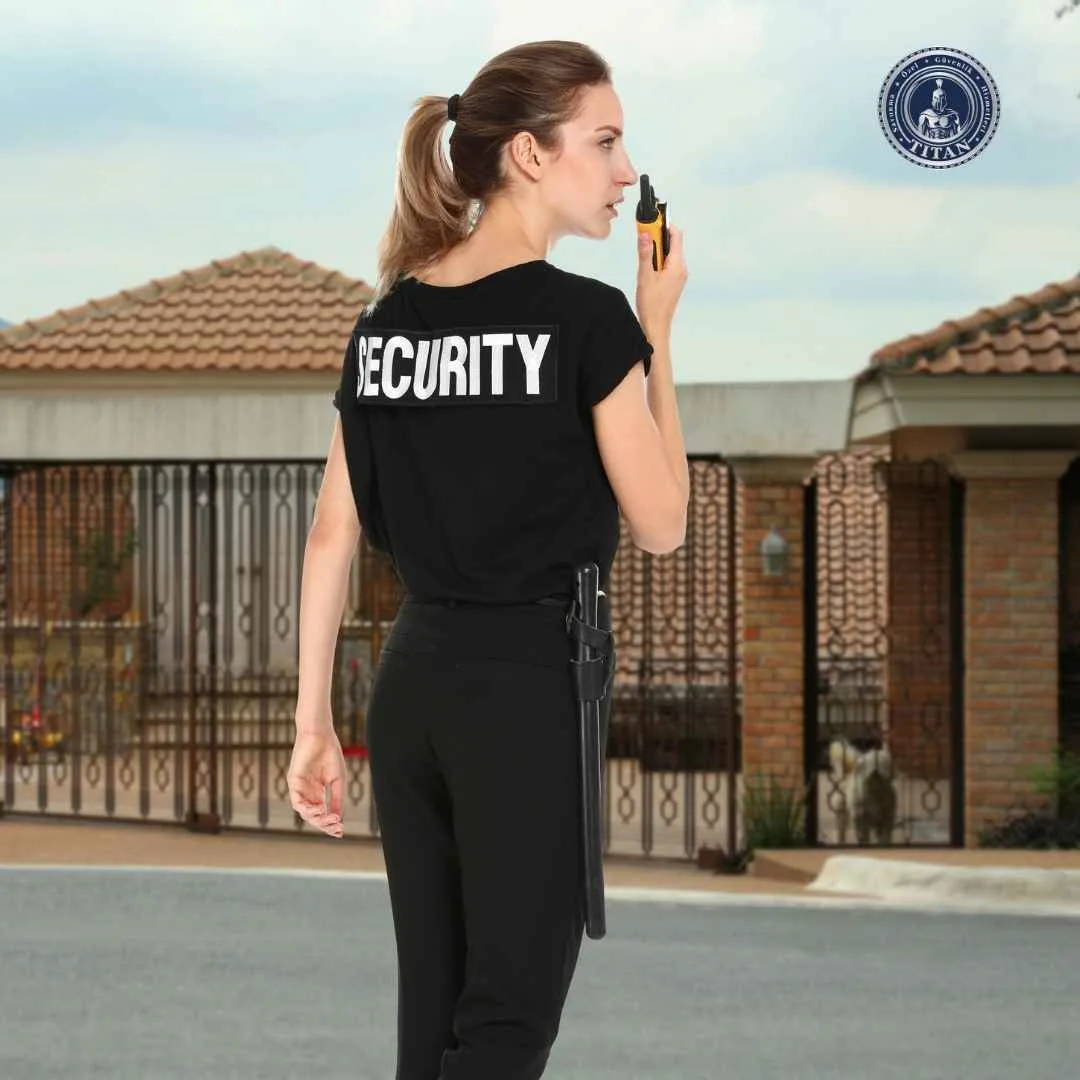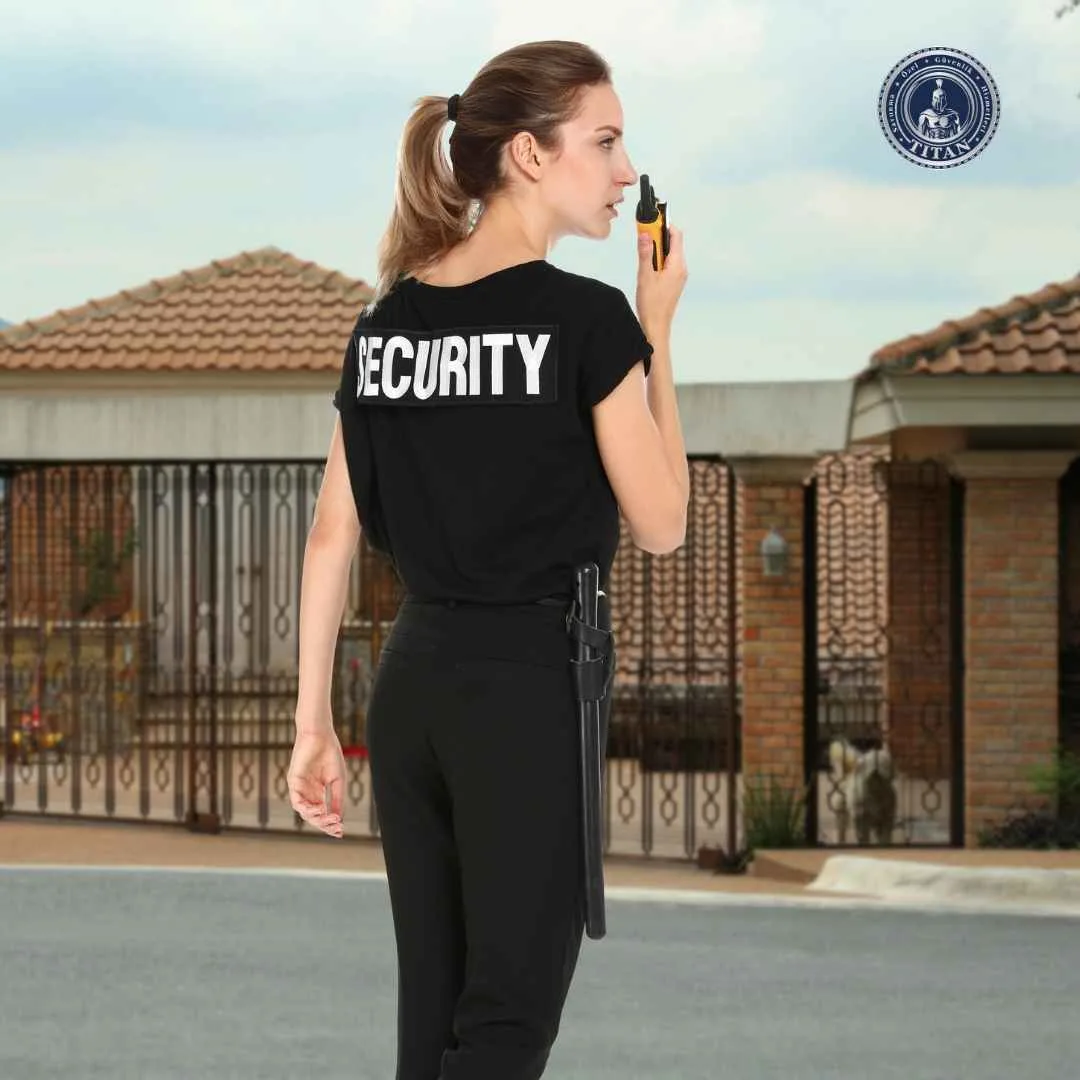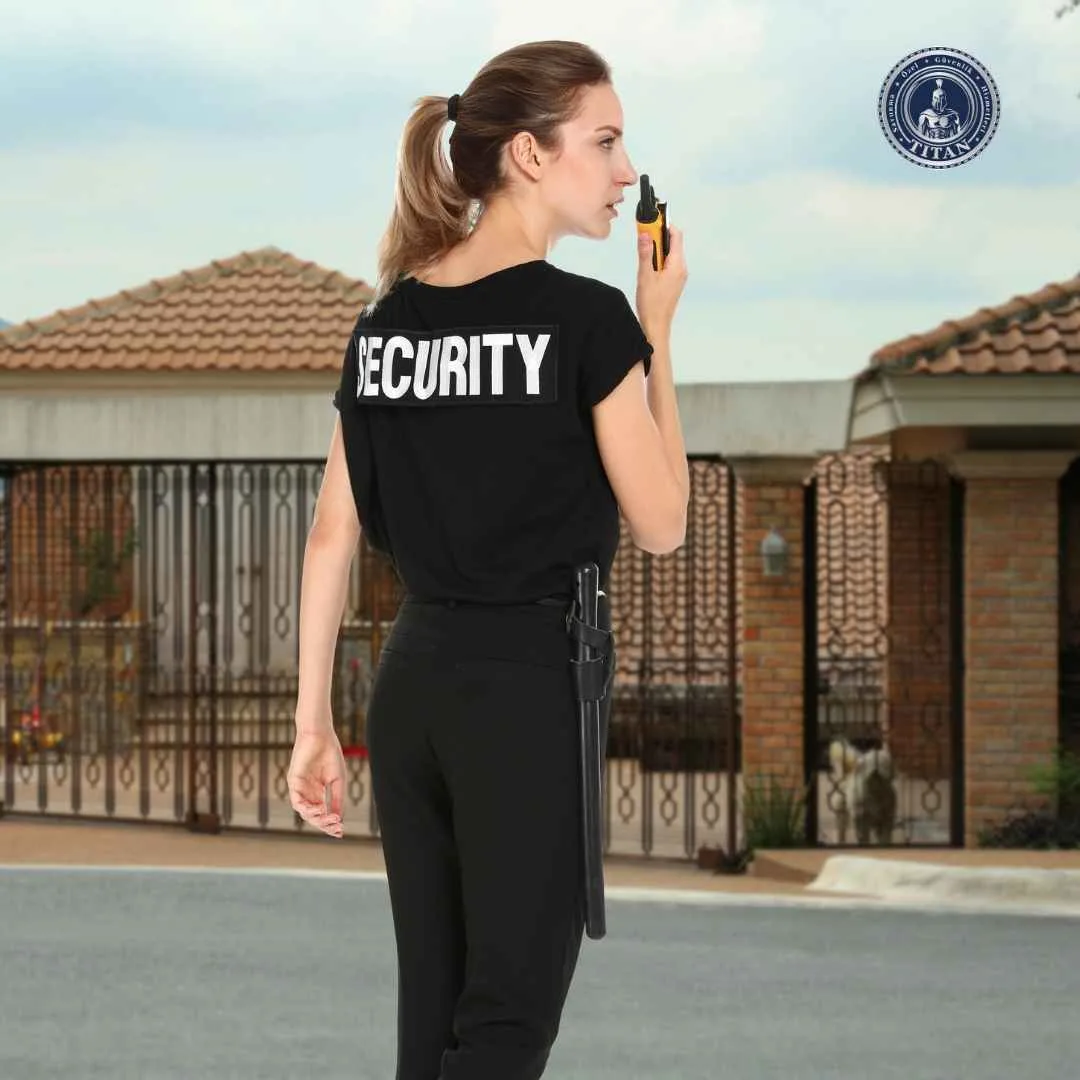
Residential compounds, known in Turkey as "sites", are where many expatriate executives, diplomats and their families live in Ankara and Istanbul. Residents' expectations about security are often shaped by life elsewhere. In Turkey, however, security in a compound is decided by the owners' assembly, the private security permit is obtained by the compound's management from the provincial governorship (valilik), and guards' powers are limited by the Private Security Services Law No. 5188. A diplomat's apartment or villa is inviolable, but the compound's common areas belong to the compound's management.
This article explains that framework for compound managers, international residents and mission security officers, and suggests how to build a shared understanding in practice.
This article is general information, not legal advice.
Who decides about compound security?
Under the Condominium Law No. 634 (Kat Mülkiyeti Kanunu), a property is managed according to decisions of the owners' assembly (kat malikleri kurulu) taken under the contract, the management plan and the Law (art. 32). The management plan works as a contract binding all owners (art. 28). The assembly meets with more than half of the owners by number and by land share and decides by majority vote (art. 30), and voting rights belong to owners (art. 31) (Condominium Law No. 634).
Other provisions that matter for planning:
- Appointing a manager (yönetici) is mandatory where a property has eight or more independent units (art. 34).
- Unless the management plan says otherwise, the manager takes the measures needed to protect the property and protective measures in the owners' interest (art. 35).
- Unless they agree otherwise, owners share the costs of the caretaker, heating operator, gardener and watchman equally (art. 20).
- Large multi-block developments (toplu yapı) have block, island and development-level assemblies and representative boards (art. 69). Law No. 7579 of 7 May 2026 lowered the majority needed to amend a development's management plan from four-fifths to two-thirds (art. 70).
The practical consequence: an expatriate executive or diplomat who rents a home has no vote in the assembly. Their expectations reach the decision makers through the landlord or through direct written contact with the compound's management.
The compound's private security permit
Under Article 3 of Law 5188, having security provided by a private security company requires the governor's permission on a decision of the provincial private security commission (Law No. 5188). Article 8 of the Implementing Regulation says the application states the subject of the service, how it will be delivered and the maximum number of staff, and that applications are decided within ten working days at the latest (Implementing Regulation).
This is not a formality. Under Article 19 of the Law, persons who employ private security officers without the Article 3 permit, or the managers of organisations that do so, face imprisonment or a judicial fine. A compound's management should keep a copy of the permit, the service contract and the security company's notification to the governorship on file.
Article 16 also prohibits using private security officers for anything other than protection and security. Gardening, carrying shopping, parking cars and caretaker duties are not part of a guard's job.
What guards can do, and residents' rights
A private security officer is not a police officer. Their powers are listed in Article 7 of the Law and apply only while on duty and within the assigned area (art. 9). Issues that come up most in compounds:
- Entering homes: a guard may enter homes in the duty area only in natural disasters such as fire or earthquake, or when someone calls for help (art. 7(e)).
- Visitor ID: the Law lists the power to ask for ID for meetings and events and for public transport facilities. In compounds, visitor registration is usually applied as a condition of entry based on the management plan or compound rules. A visitor who prefers not to give details is not forced; entry then depends on the resident's confirmation.
- Apprehension and use of force: possible only in the limited cases set by law, and the police must be informed by the fastest means (art. 9).
- ID card: guards wear the governorship-issued ID card visibly; without it they cannot use the Article 7 powers (art. 12).
Diplomatic residences inside a compound
Article 30 of the Vienna Convention on Diplomatic Relations gives a diplomatic agent's private residence the same inviolability and protection as mission premises (Vienna Convention on Diplomatic Relations, 1961). That protection attaches to the apartment or villa itself. Roads, car parks, sports facilities and the compound gate remain the compound management's responsibility.
Under the framework the Ministry of Foreign Affairs communicated to foreign missions in 2016, internal security of mission buildings and residences is the mission's responsibility; guards working on internal security do not work outside the building, and the outer perimeter needs a separate governorship permit (Turkish MFA note to foreign missions, 28.09.2016). On that basis, a guard the mission hires for a residence's internal security does not work in the compound's common areas; those are covered by the compound's own permitted security service. Because the note dates from 2016, confirm current practice with the Ministry. Three parties therefore need a written coordination arrangement: the mission's security officer, the compound management and the compound's security company. For residence planning more broadly, see our diplomatic residence security guide for Ankara.
Visitor and service rules
Compounds with international families see heavy daily traffic at the gate. Written compound rules on these topics make life easier for everyone:
- Advance notice of guests, and phone confirmation by the resident for guests who were not announced.
- A list of regular household staff such as nannies, cleaners and drivers, with their passes cancelled when they leave.
- Whether parcels and food deliveries are collected at the gate or couriers may go to the door.
- Time windows and logging for removals, renovation and technical service visits.
- An agreed arrangement with families for school buses and for children leaving the compound.
- Parking and waiting space for close protection teams and official cars visiting diplomatic residences.
- Which details logs contain, how long they are kept and who can see them. In Turkey these records fall under the Personal Data Protection Law (KVKK, Law No. 6698); see our KVKK guide to CCTV and visitor logs.
Families' expectations versus the Turkish framework
| Common expectation | How it works in Turkey |
|---|---|
| "Security can go into my flat and check it." | Guards may enter a home only in disasters or when someone calls for help. |
| "The guard can keep an eye on the kids and take in parcels." | Guards may not be used for non-security work. |
| "The embassy's guard can patrol the compound." | Under the 2016 MFA note, the mission's internal-security guard does not work outside the residence building; common areas belong to the compound management. |
| "Security will sort out any incident." | Serious incidents are reported to the police; emergency calls go to 112. |
| "Everyone at the gate will speak English." | Language needs must be written into the contract; at minimum, name one English-speaking contact point. |
A short welcome note in English for newly arrived families is the easiest way to explain these differences from day one. It can cover emergency numbers, gate rules, the earthquake assembly point and how to reach the security team.
Checklist for compound management
- Is the security service based on an owners' assembly decision and the management plan?
- Are the governorship permit, the service contract and the company's notifications on file?
- Do post orders exclude non-security tasks?
- Is there written coordination with missions whose diplomats live in the compound?
- Are visitor and household staff rules published in English as well as Turkish?
- Are retention periods and access rights for logs defined?
About Titan Savunma
Titan Savunma is an Ankara-based private security company operating under a Ministry of Interior licence issued under Law No. 5188. We hold ISO 9001, 14001, 45001, 22301 and 28000 certificates, work with international clients in English and Turkish, and plan services with a written scope, a single point of contact and regular reporting. Read more about our residential security services.
Sources and Further Reading
- 634 sayılı Kat Mülkiyeti Kanunu, mevzuat.gov.tr
- 5188 sayılı Özel Güvenlik Hizmetlerine Dair Kanun, mevzuat.gov.tr
- Özel Güvenlik Hizmetlerine Dair Kanunun Uygulanmasına İlişkin Yönetmelik, mevzuat.gov.tr
- Vienna Convention on Diplomatic Relations (1961), United Nations
- Dışişleri Bakanlığı, yabancı misyonlara özel güvenlik hizmeti notası (28.09.2016)