This article is general information, not legal advice.
Short answer: To protect outdoor security officers in extreme heat and cold, manage the heat load, not the thermometer reading. Measure with WBGT, put collective controls such as shade and well-designed booths before personal ones, acclimatise new starters gradually, plan water and breaks, never leave anyone unchecked, and train supervisors to recognise symptoms. The reason is simple: heat harms health and can degrade attention and perception, which are an officer's core tools, and research links hot days with more workplace injuries.
Why this matters now
The International Labour Organization launched its April 2024 report, Ensuring safety and health at work in a changing climate, with the message that climate change is creating a "cocktail" of serious health hazards for workers. According to the ILO's release, using the most recent figures (2020), more than 2.4 billion of the world's 3.4 billion workers are likely to be exposed to excessive heat at some point during their work, and that share has risen from 65.5 per cent to 70.9 per cent since 2000. The report estimates that 18,970 lives and 2.09 million disability-adjusted life years are lost each year due to 22.87 million occupational injuries attributable to excessive heat.
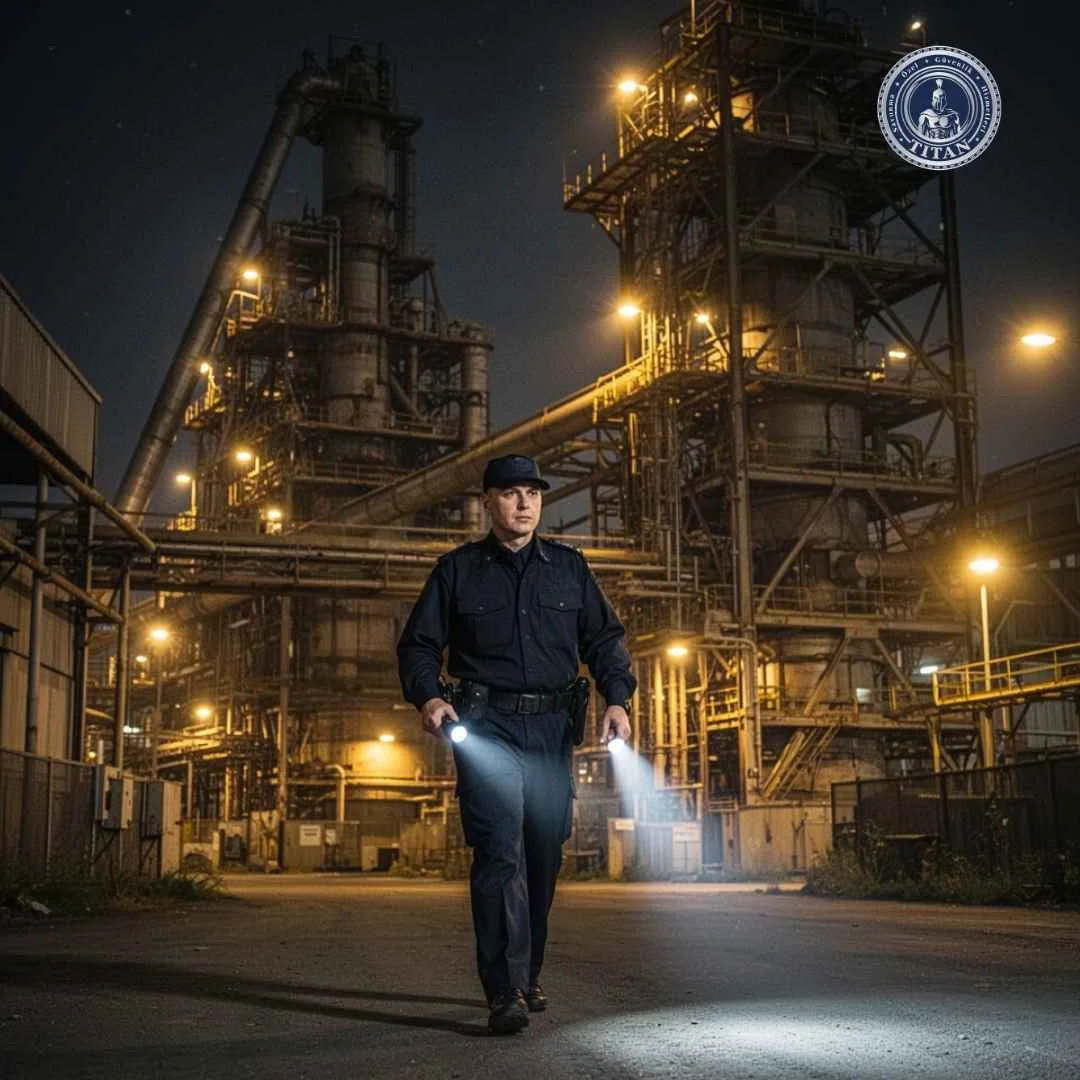
Security officers are a quiet part of that picture. Factory and logistics gates, open car parks, solar farms, construction sites, festivals and stadium events are often unshaded, still and sun-baked in summer, or exposed to biting wind in winter. Across the Gulf, southern Europe and much of Turkey, summer midday is a working condition that has to be planned for in advance. In winter the same gate officer may stand largely still in the cold for hours.
What does the research say?
Heat, health and productivity
One of the most comprehensive studies is the systematic review and meta-analysis by Flouris and colleagues in The Lancet Planetary Health (2018). Pooling 111 studies from 30 countries, it found that people working a single shift under heat stress (WBGT above 22.0 or 24.8 °C depending on work intensity) were 4.01 times more likely to experience occupational heat strain than those in thermoneutral conditions. During or at the end of a shift under heat stress, 35% of workers experienced heat strain and 30% reported productivity losses; among those who typically work under heat stress, 15% had kidney disease or acute kidney injury. The authors rated confidence in most results as moderate.
A 2022 meta-analysis of outdoor workers by the same group in Temperature covered 38 field studies with 2,409 workers in 41 jobs across 21 countries. Occupational heat stress was associated with higher core and skin temperature, heart rate and urine specific gravity (a marker of fluid loss), and it markedly reduced outdoor workers' capacity for physical work.
Heat and injuries
Fatima and colleagues' 2021 meta-analysis in Environment International combined 22 studies covering almost 22 million occupational injuries in six countries (Australia, Canada, China, Italy, Spain and the USA). Injury risk rose by about 1% for each 1 °C above reference temperatures and was 17.4% higher during heatwaves. Young workers, men, and, in hot weather, sectors such as agriculture, construction and manufacturing appeared at higher risk. These are observational studies, so causal claims need care, and no tropical-climate studies were found. The direction, however, is consistent: injury risk rises on hot days.
Heat, attention and perception: the officer's actual job
A security officer's core task is watching: screens, vehicles at the gate, behaviour in a crowd. That is sustained attention and perception. Hancock and Vasmatzidis's 2003 review concludes that heat affects cognitive performance differently depending on the type of task and that effects relate to deep body temperature, while acknowledging that the literature is hard to organise because task type, exposure duration, skill and acclimatisation all come into play.
Hancock, Ross and Szalma's 2007 meta-analysis in Human Factors analysed 528 effect sizes from 49 publications and confirmed a substantial negative effect of thermal stressors on performance; the effect of heat was comparable to that of cold. Notably, cognitive tasks were least affected, while perceptual and psychomotor tasks were degraded to a greater degree. In our reading, noticing, scanning and reacting quickly sit largely in that perceptual and psychomotor territory, although the studies were not done on security officers. An earlier meta-analysis by Pilcher and colleagues (2002, 22 studies) reported performance decrements of 14.88% at 32.22 °C WBGT or above and 13.91% at 10 °C or below, compared with neutral conditions. Much of this evidence comes from laboratory experiments and should not be transferred one-to-one to the field, but the direction is clear.
A caution specific to security work
One of the few studies on security staff themselves is Stewart and Hunt's 2011 field study of armoured vehicle officers in subtropical Queensland, Australia. Among the 12 officers monitored, the intermittent, low-intensity nature of the work prevented excessive heat strain, despite outdoor WBGT above 30 °C and personal body armour. Yet six officers were dehydrated from the start to the end of the shift and two more became dehydrated during it. The sample is small, but the lesson is useful: in standing-and-watching security work the first risk is often not a soaring core temperature but quietly accumulating fluid loss and its effect on alertness. Patrols, crowd management and incident response can change that picture quickly.
Cold
Mäkinen and Hassi's 2009 review in Industrial Health explains that health problems linked to cold work reduce performance and productivity and increase accidents and injuries; breathing cold air can cause respiratory symptoms, and cardiovascular complaints may be especially pronounced during physical exertion in the cold, particularly in people with existing heart disease. The authors stress that identifying workplace and individual cold risks is the first step, followed by tailored advice for susceptible groups. An officer standing still at a post produces little body heat and is particularly exposed.
Measuring it: WBGT and the relevant standards
Air temperature alone does not describe heat load; humidity, solar radiation and air movement matter too, which is why the wet bulb globe temperature (WBGT) is used. ISO 7243:2017 presents WBGT as a screening method for evaluating the heat stress to which a person is exposed and establishing whether heat stress is present. It applies to indoor and outdoor environments, to adults fit for work and to exposure over a working day of up to 8 hours, not to very short exposures; the 2017 edition brought the effect of clothing into the assessment.
In the United States, NIOSH's 2016 criteria document uses a recommended alert limit (RAL) for unacclimatised workers and a recommended exposure limit (REL) for acclimatised workers. The OSHA Technical Manual describes adding a clothing adjustment factor to measured WBGT, converting workload into metabolic rate and comparing the result with the ACGIH Action Limit (unacclimatised) or Threshold Limit Value (acclimatised); these limits are intended to keep core body temperature within about 1 °C of normal. It recommends the outdoor WBGT formula where radiant heat is significant and, citing NIOSH, measurements at least hourly during the hottest part of the shift.
For cold, the counterpart is ISO 11079:2007, which assesses cold stress through required clothing insulation (IREQ) and local cooling of hands, feet and face, for continuous, intermittent and occasional exposure, indoors and outdoors. It does not cover meteorological effects such as precipitation.
Practical checklist for outdoor posts
| Area | In heat | In cold |
|---|---|---|
| Measurement | WBGT at high-risk posts; frequent checks in the hottest hours; trigger levels written in advance | Track temperature and wind together; treat wet clothing as a separate risk |
| Booth / shelter | Shade, ventilation or air conditioning; solar shading on sun-facing glass; measure the temperature inside the booth too | Windbreak, heating, floor insulation; an enclosed space for warm-up breaks |
| Acclimatisation | Gradual build-up for new starters; re-acclimatisation after leave | Pre-season rehearsal of clothing and post routines |
| Water and breaks | Cool drinking water at the post; regular drinking; breaks lengthen as heat rises | Warm drinks; shorter post cycles with warm-up breaks |
| Rotation | Alternate sun-exposed and shaded posts; heavier tasks in cooler hours | Alternate static posts with patrols |
| Buddy checks | Officers watch each other for symptoms; hourly radio status checks | Same routine for shivering, clumsiness, slurred speech |
| Uniform and PPE | Light-coloured, breathable fabric; hat; account for the heat load of vests and kit | Layering, waterproof outer layer, gloves, hat, insulated boots |
| Supervisor training | Signs of heat exhaustion and heat stroke, first aid, emergency call flow | Signs of cold injury and hypothermia, first aid |
Acclimatisation, water and buddy checks in practice
NIOSH's recommendations say new workers should spend no more than 20% of the usual duration of work in the heat on day one, increasing by no more than 20% each day; for experienced workers the schedule is 50% on day one, 60% on day two, 80% on day three and 100% on day four. New employees should be closely supervised for the first 14 days or until fully acclimatised. OSHA notes that acclimatised workers away from heat for a week or more may need two to three days to re-acclimatise, which is why an officer returning from annual leave should not go straight onto a midday post.
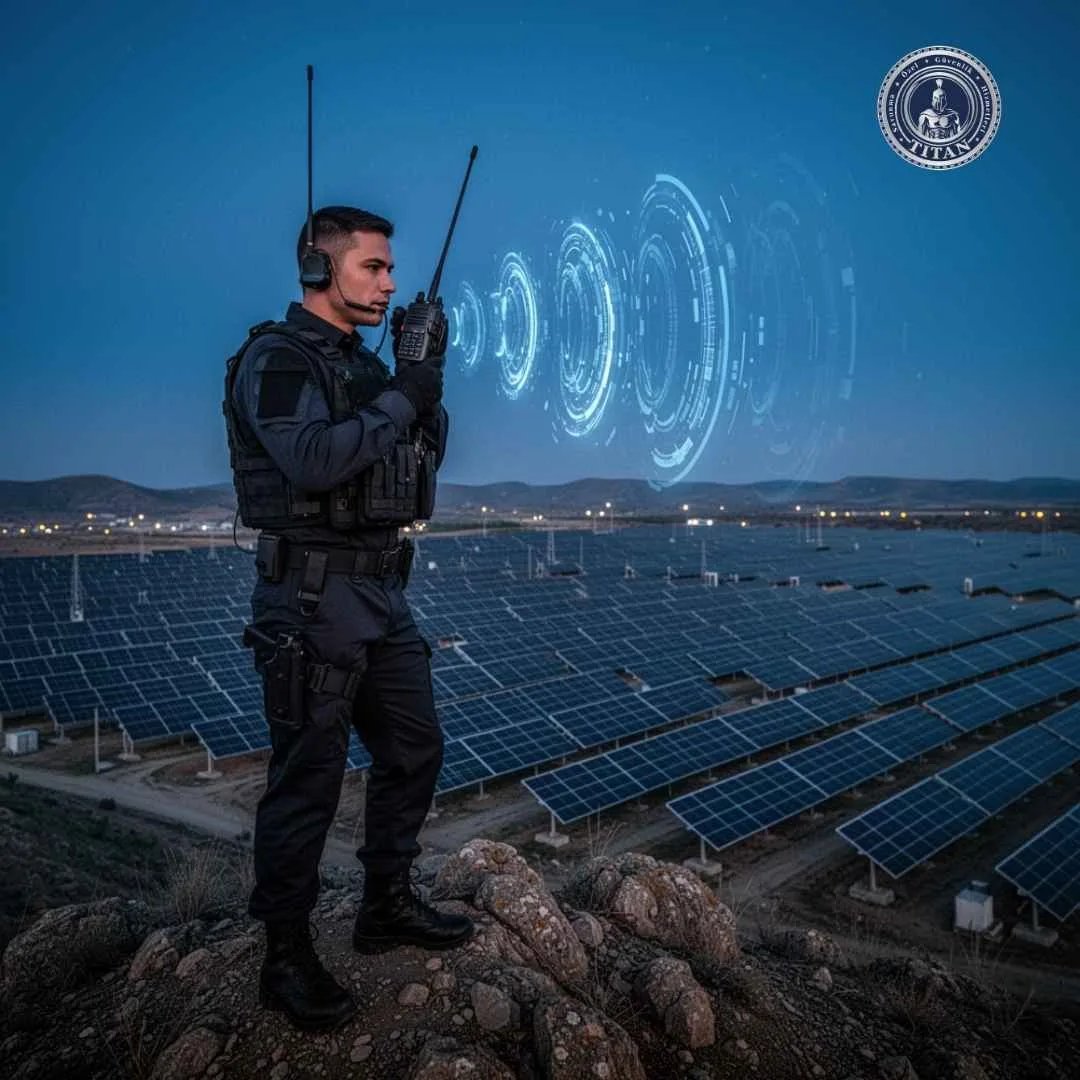
On fluids, NIOSH advises one cup (8 oz, about 240 ml) of water every 15–20 minutes for moderate activity lasting under two hours, electrolyte drinks for prolonged sweating, and no more than six cups an hour. It also recommends a buddy system in which workers watch each other for signs of heat illness, plus self-monitoring. For a lone gate post, the buddy can be a scheduled radio or phone check-in combined with supervisor rounds.
Booth design
OSHA lists shade for outdoor work sites as an engineering control. A guard booth cuts both ways: well designed, it is a refuge; badly designed, it is a greenhouse. A booth with sun-facing glass and no ventilation can impose a heavier heat load than standing outside. Measure the temperature inside, add canopies or solar shading, cross-ventilation or air conditioning, and in winter heating and floor insulation, while keeping sightlines clear.
Planning summer events
At open-air concerts, festivals and matches, officers stand in the sun for long periods and exert themselves inside crowds. Plans should include more frequent rotation during the hottest hours, shaded rest points, water reserved for staff, a shared symptom list with the medical team and a review of gate-opening times against expected heat. Our event security planner helps structure that work.
Common mistakes
- Looking only at air temperature and ignoring humidity, sun and wind.
- Assuming standing-and-watching work is risk-free; fluid loss and falling alertness still occur.
- Putting a new starter, or someone back from leave, on a midday post on day one.
- Turning the booth into a greenhouse: sun-facing glass, no ventilation, no measurement.
- Reducing protection to personal advice ("drink water, wear a hat") and skipping collective controls such as shade, rotation and rescheduling.
- Ignoring the extra heat load of body armour, high-visibility vests and kit in uniform planning.
- In cold, thinking only about the coat and overlooking wet clothing, cold hands and feet, and immobility.
- Trusting "I'm fine" and leaving one officer alone for hours without a buddy check or a supervisor who knows the symptoms.
A note for Turkey: client and contractor coordination
Article 4 of Turkey's Occupational Health and Safety Law No. 6331 makes the employer responsible for workers' health and safety at work, including carrying out or commissioning a risk assessment and adapting health and safety measures to changing conditions. Article 5 lists, among the principles of prevention, giving collective protective measures priority over personal ones. Article 23 requires employers sharing the same work area to cooperate on health and safety measures, coordinate the prevention of occupational risks and inform each other about those risks.
In practice, heat and cold risk for officers deployed at a client site is a shared matter. Booth location and equipment, access to water and toilets and a place to cool down or warm up usually belong to the client's infrastructure; acclimatisation, rotation, training, uniforms and supervision belong to the security provider. Writing this split into the contract annex and the risk assessment is far better than debating it when the first heatwave arrives. You can review post risks with our security risk assessment tool and coverage needs with the security coverage planner.
Conclusion
As the climate warms, outdoor security has to treat heat and cold as a shift-planning variable. The evidence is consistent: heat is associated with higher health and injury risk and degrades the perceptual and psychomotor performance officers rely on, and cold reduces performance and safety too. Measurement, collective controls, acclimatisation, water, rotation, buddy checks and trained supervisors make the risk manageable.
Titan Savunma is an Ankara-based private security company licensed by the Ministry of Interior under Law No. 5188 and certified to ISO 9001, 14001, 45001, 22301 and 28000. We work with international companies in English and Turkish. To plan your outdoor posts around heat and cold risk, explore our security tools or get in touch.
Sources and Further Reading
- ILO — Ensuring safety and health at work in a changing climate, International Labour Organization (2024)
- ILO — Climate change creates a 'cocktail' of serious health hazards for 70 per cent of the world's workers, news release (22 April 2024)
- Flouris AD, Dinas PC, Ioannou LG, Nybo L, Havenith G, Kenny GP, Kjellstrom T — Workers' health and productivity under occupational heat strain: a systematic review and meta-analysis, The Lancet Planetary Health 2(12):e521–e531 (2018)
- Ioannou LG, Foster J, Morris NB, Piil JF, Havenith G, Mekjavic IB, Kenny GP, Nybo L, Flouris AD — Occupational heat strain in outdoor workers: a comprehensive review and meta-analysis, Temperature 9(1):67–102 (2022)
- Fatima SH, Rothmore P, Giles LC, Varghese BM, Bi P — Extreme heat and occupational injuries in different climate zones: a systematic review and meta-analysis of epidemiological evidence, Environment International 148:106384 (2021)
- Hancock PA, Vasmatzidis I — Effects of heat stress on cognitive performance: the current state of knowledge, International Journal of Hyperthermia 19(3):355–372 (2003)
- Hancock PA, Ross JM, Szalma JL — A meta-analysis of performance response under thermal stressors, Human Factors 49(5):851–877 (2007)
- Pilcher JJ, Nadler E, Busch C — Effects of hot and cold temperature exposure on performance: a meta-analytic review, Ergonomics 45(10):682–698 (2002)
- Stewart IB, Hunt AP — Negligible heat strain in armored vehicle officers wearing personal body armor, Journal of Occupational Medicine and Toxicology 6:22 (2011)
- Mäkinen TM, Hassi J — Health problems in cold work, Industrial Health 47(3):207–220 (2009)
- NIOSH — Criteria for a Recommended Standard: Occupational Exposure to Heat and Hot Environments, DHHS (NIOSH) Publication No. 2016-106 (2016)
- NIOSH/CDC — Heat Stress: Recommendations (web page)
- OSHA — Technical Manual, Section III, Chapter 4: Heat Stress
- ISO — ISO 7243:2017 Ergonomics of the thermal environment — Assessment of heat stress using the WBGT index
- ISO — ISO 11079:2007 Ergonomics of the thermal environment — Determination and interpretation of cold stress when using required clothing insulation (IREQ) and local cooling effects
- 6331 sayılı İş Sağlığı ve Güvenliği Kanunu (mevzuat.gov.tr)