
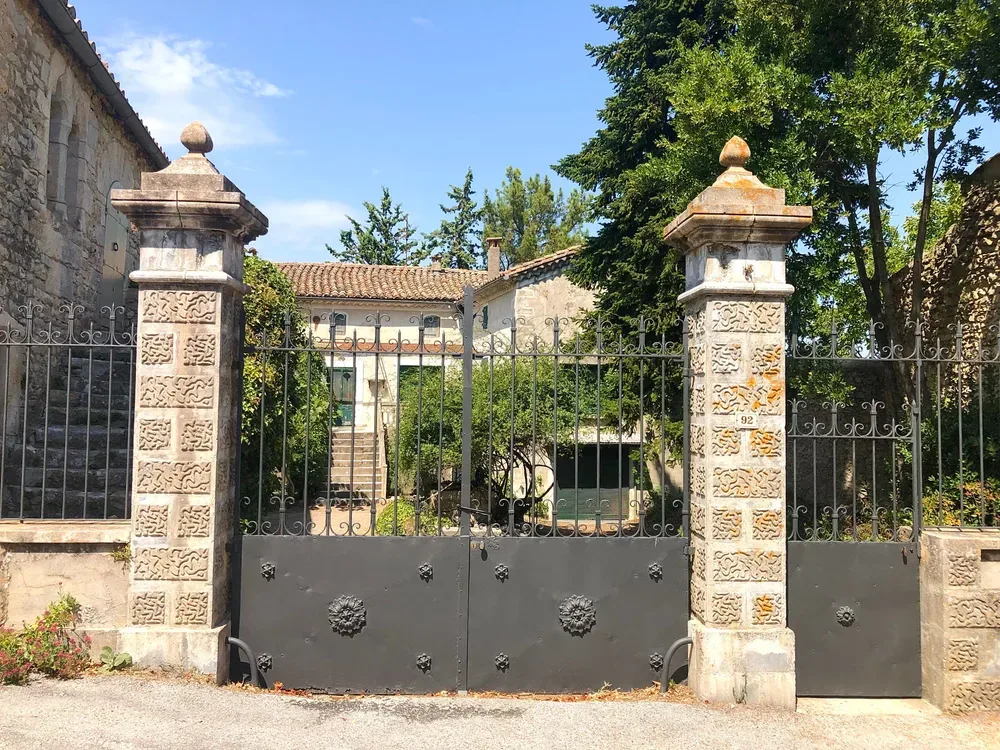
The most effective way to protect your home while you are away is to remove the signs that it is empty and make sure every entry point is genuinely locked. Interview studies with convicted burglars show that many prefer homes where nobody is in, and that they often judge whether a house is suitable within seconds. So the advice below is ordered as a series of "remove the clue" steps: lights, post, a neighbour, the timing of your posts, doors and windows, and finally your building or site management.
How do burglars tell that a house is empty?
Criminologists usually describe domestic burglary as "bounded rationality": the offender weighs reward against the risk of being caught, quickly and imperfectly. Taylor (2014), based on interviews with 30 convicted domestic burglars in Greater Manchester, reports that participants often decided whether a house was suitable in a matter of seconds. Reviewing earlier work, the same paper notes that occupancy is a key factor in choosing a target; in Nee and Meenaghan's study of experienced burglars, for example, 76 per cent preferred the property to be empty. Taylor's own interviewees gave more mixed answers, but were well aware that an occupied home raises the risk.
The cues mentioned were ordinary ones: whether lights were on, whether curtains were drawn, whether post and deliveries had been left uncollected at the door. Most interviewees also described knocking on the door to test whether anyone was in. Nee and Meenaghan (2006) found that experienced burglars read such cues rapidly and almost automatically. The practical lesson: a home that looks lived-in deters earlier in the decision than even a very good lock.
Making the home look occupied
Light and sound
Secured by Design, the UK police crime-prevention initiative, recommends timer plugs for lamps and radios, or light-sensitive bulbs that switch on at dusk. Aim for a normal pattern rather than a show: two or three timers in different rooms at slightly different times look more natural than one lamp that comes on at the same minute every night. If you use smart plugs, check the app password and two-step verification before you leave.
Post, parcels and the doorstep
Leaflets, bills and parcels building up at the door advertise an empty home. Pause newspapers and regular deliveries, avoid ordering online while you are away, or send deliveries to a trusted address. In an apartment block or gated community, ask the management office or security post to hold parcels.
A trusted neighbour
Limit who knows, but make sure one person does. The Secured by Design guidance suggests telling only those who need to know, such as a trusted friend or neighbour, and asking them to collect post and open and close curtains. A neighbour who waters plants or switches a balcony light now and then adds the small signs of life that matter. Offer the same help when they travel.
When to share holiday photos
The same guidance advises against posting about your holiday before you go or while you are away, and, if you do post, restricting visibility to trusted family and friends. The simplest rule is to share once you are home. Live location tags, "away for two weeks" captions and photos that show your front door or building entrance are details that strangers can piece together. We cover location sharing in more depth elsewhere; here, the point is timing.
Doors, windows and balconies
If appearance is the first filter, locks are the second. Using Crime Survey for England and Wales data, Tseloni and colleagues (2017) found that combinations of door and window locks with external lights or security chains gave at least 20 times more protection against burglary with entry than having no security at all. Layers working together outperform any single device.
A short final round before you leave:
- Close and lock every window and balcony door, especially on ground and garden floors; do not leave tilt-and-turn windows tilted.
- Remove keys left in doors and window locks and store them safely.
- Do not hide a spare key under the mat, in a plant pot or in the meter cupboard; give it to a trusted neighbour if needed.
- Bring in or lock away ladders, garden tools and anything that can be used to climb.
- Set the alarm, if you have one, and check who receives its notifications.
- Move laptops and jewellery out of sight of windows.
Secured by Design also suggests pausing for a couple of quiet minutes at the door to confirm everything is done. Make the balcony door part of that last check.
What site and building management should do
During summer and public holidays many units in the same complex empty at once, so management needs a plan as well as individual residents.
What residents should tell management
Give only what is needed: the dates you will be away, an emergency contact, and who (for example a neighbour watering plants) may enter. If you leave a key, do it against a written handover record.
What management can do
- Keep the list of empty units accessible to a few people only and delete it after the season, in line with data minimisation.
- Avoid fixed patrol times; use random patrol principles to check entrances and car parks of quiet blocks often but unpredictably.
- Hold parcels at the security post and never let someone who claims to be "a relative of the owner" into a unit without the resident's confirmation.
- Agree a simple procedure for informing residents when an open ground-floor window or balcony door is noticed.
- Test common-area lighting and intruder alarm connections before the holiday season.
Quick checklist
- Timers set for lights and sound.
- Post, papers and parcels paused or redirected.
- A trusted neighbour knows your dates.
- Holiday posts saved for your return.
- All windows, balcony and outer doors locked; no keys on show.
- Management has your dates and an emergency contact.
Common mistakes
Keeping curtains closed all day: it feels private, but curtains that never move are one of the cues burglars mention. Announcing "on holiday until..." in an auto-reply: naming a colleague to contact is enough; the return date is not needed. Hiding the spare key where everyone hides it: doormats, plant pots and meter boxes are checked first. Relying on one measure: research shows measures are stronger together; a camera alone or a lock alone is not a plan.
For residential complexes, the holiday period calls for patrols, visitor verification and incident logging that work together. Titan Savunma is an Ankara-based private security company holding a Ministry of Interior operating licence under Law 5188; it plans sites in different provinces with a single point of contact, written scope and regular reporting, and works with international companies in English and Turkish. To discuss holiday-season patrol planning for your complex, see our residential security page.
Sources and Further Reading
- Taylor, E. — Honour among thieves? How morality and rationality influence the decision-making processes of convicted domestic burglars, Criminology & Criminal Justice (2014)
- Nee, C. & Meenaghan, A. — Expert Decision Making in Burglars, British Journal of Criminology (2006)
- Tseloni, A. et al. — The effectiveness of burglary security devices, Security Journal (2017)
- Secured by Design (UK Police) — Going away: ensure your home is secure


