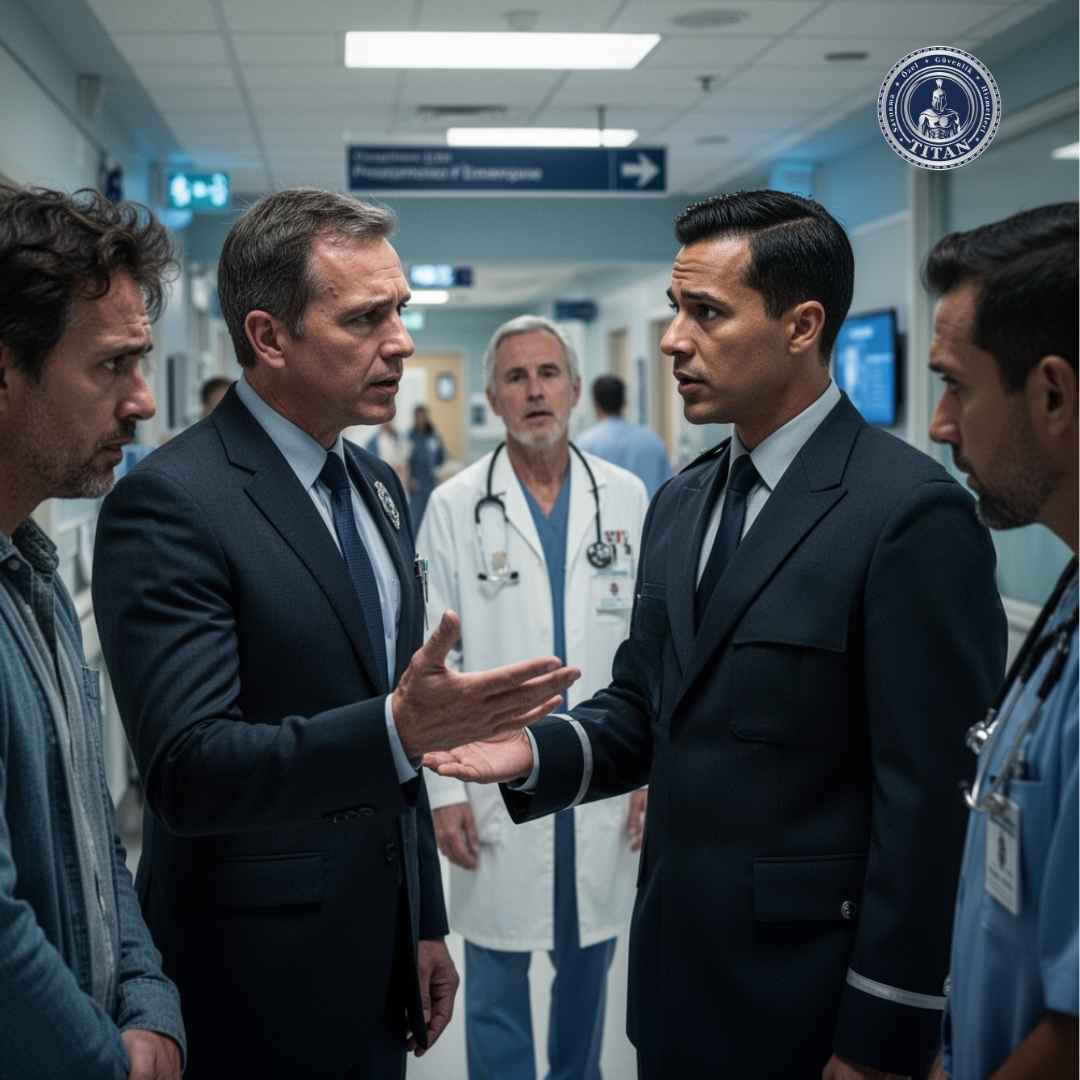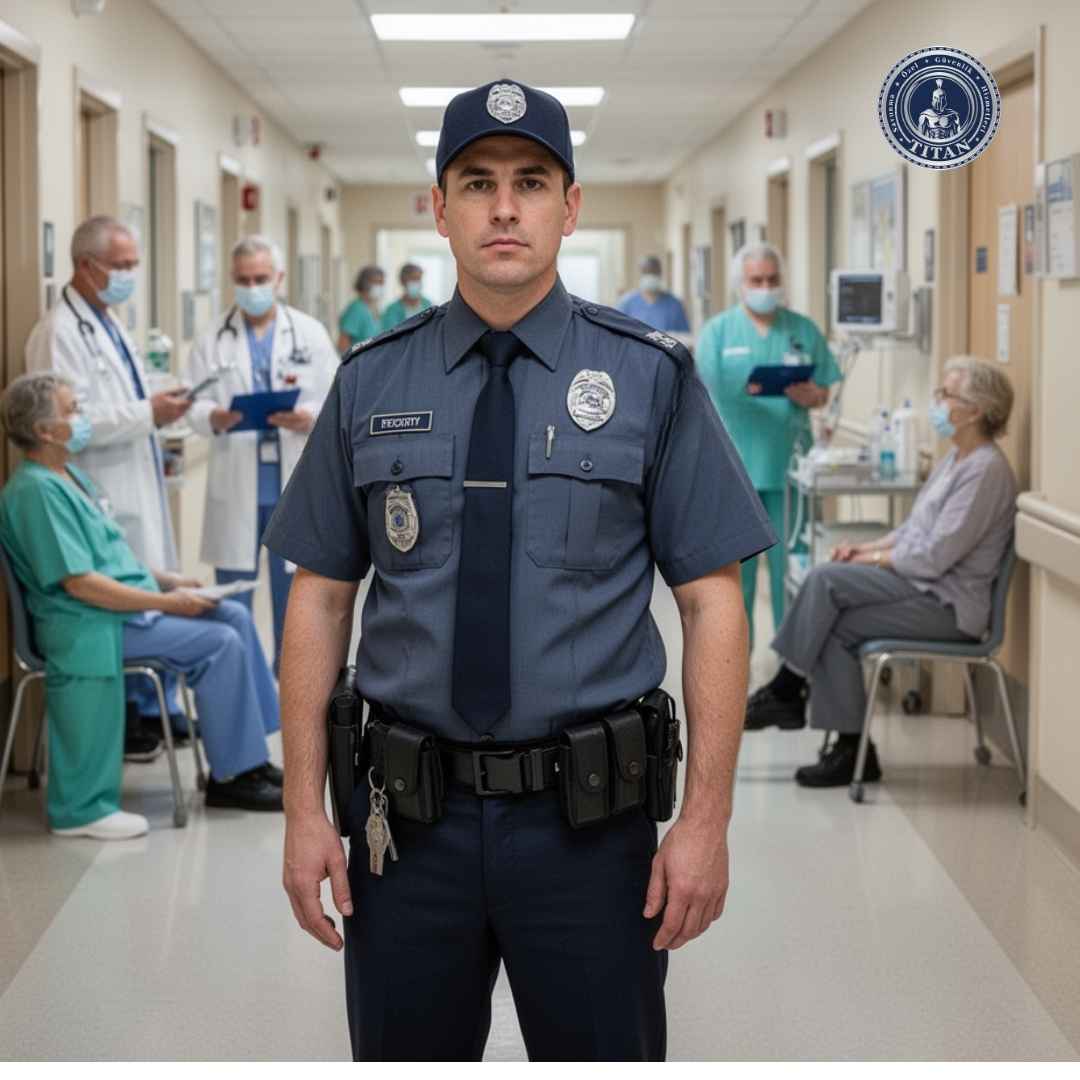
Staff numbers and a general claim of crisis training are not enough when selecting security for a hospital. Emergency departments, outpatient clinics, visitor areas and technical sections operate differently. A supplier should explain precisely how it will participate in the hospital's approved arrangements.
Security supports personal safety; no company can guarantee that every violent incident will be prevented or that healthcare will continue without interruption. Evaluate training content, responsibilities and workable reporting arrangements instead of those promises.
Examine site-specific preparation before mobilisation
General professional training differs from knowing this hospital's entrances, calls and responsible people. Ask the supplier to identify induction subjects, instructors and how readiness for the assignment will be checked.
The same essential information should reach relief and newly assigned staff. Night teams also need current visiting arrangements, closed areas and authorised contacts. Short scenarios and clear instructions can help assess understanding beyond an attendance signature.
Distinguish local emergency calls from ministry reporting
The hospital's approved plan defines how immediate on-site assistance is requested. The Ministry of Health's 113 Beyaz Kod line and online system support notification of violence to the ministry and associated processes. These functions should not be confused.
A proposal should identify who receives the call, what information is needed and who is notified. Establish out-of-hours responsibility, backup communications and records. Seek a workflow tested against the hospital's actual layout rather than an unsupported response promise measured in seconds.
Keep clinical decisions with healthcare professionals
Clinical priority, treatment, diagnosis and clinical restraint decisions belong to healthcare professionals. Security officers should not diagnose a person's condition or make clinical decisions about access to treatment. Their powers remain subject to Law No. 5188 and applicable legal conditions.
Communication training can support calm explanations, appropriate requests for help and accurate reporting. Do not claim it prevents a particular percentage of violence without evidence and context. Ask the supplier to demonstrate understanding of role boundaries, rather than provide a medical or force-based intervention demonstration.
Assess privacy alongside access arrangements
Security records should not contain unnecessary diagnoses, treatment details or private information. The relevant hospital team should determine visitors' permitted access, with changes communicated promptly. Detailed arrangements for sensitive departments should not appear in public reports.
Camera use requires separate consideration of purpose, authorised access and retention. Sending every image or incident record to broad messaging groups should not be accepted as an appropriate reporting system.
Include post-incident learning in the contract
A review can examine the timeline, notifications, security and clinical responsibilities, and outstanding improvements. Consider weaknesses in the system before attributing fault to an individual. Fewer reported incidents should not automatically count as success without considering under-reporting. Assigning responsibility for initial exercises, periodic review and retraining after personnel changes provides a more useful selection criterion than a vague promise of corporate protection.