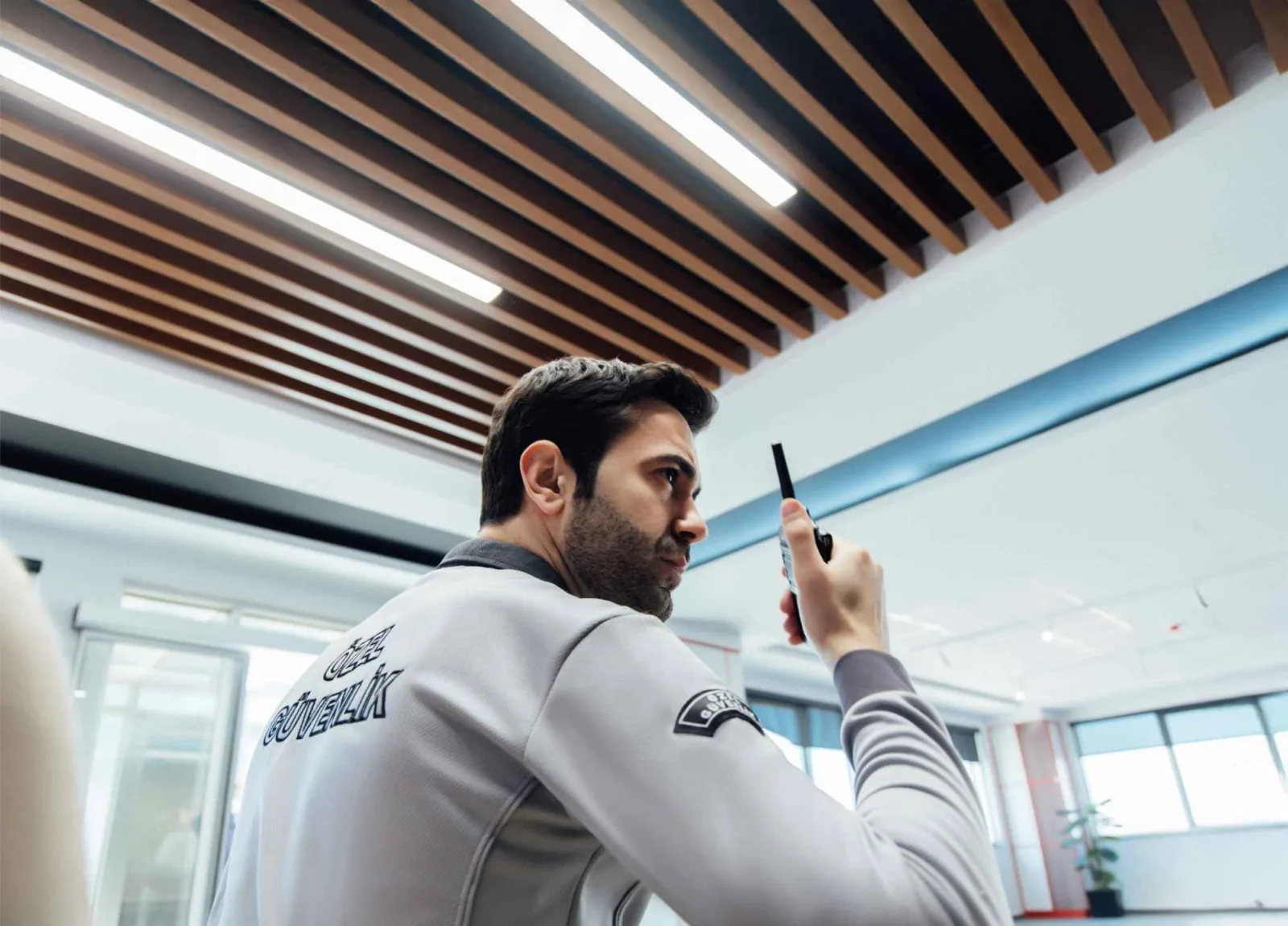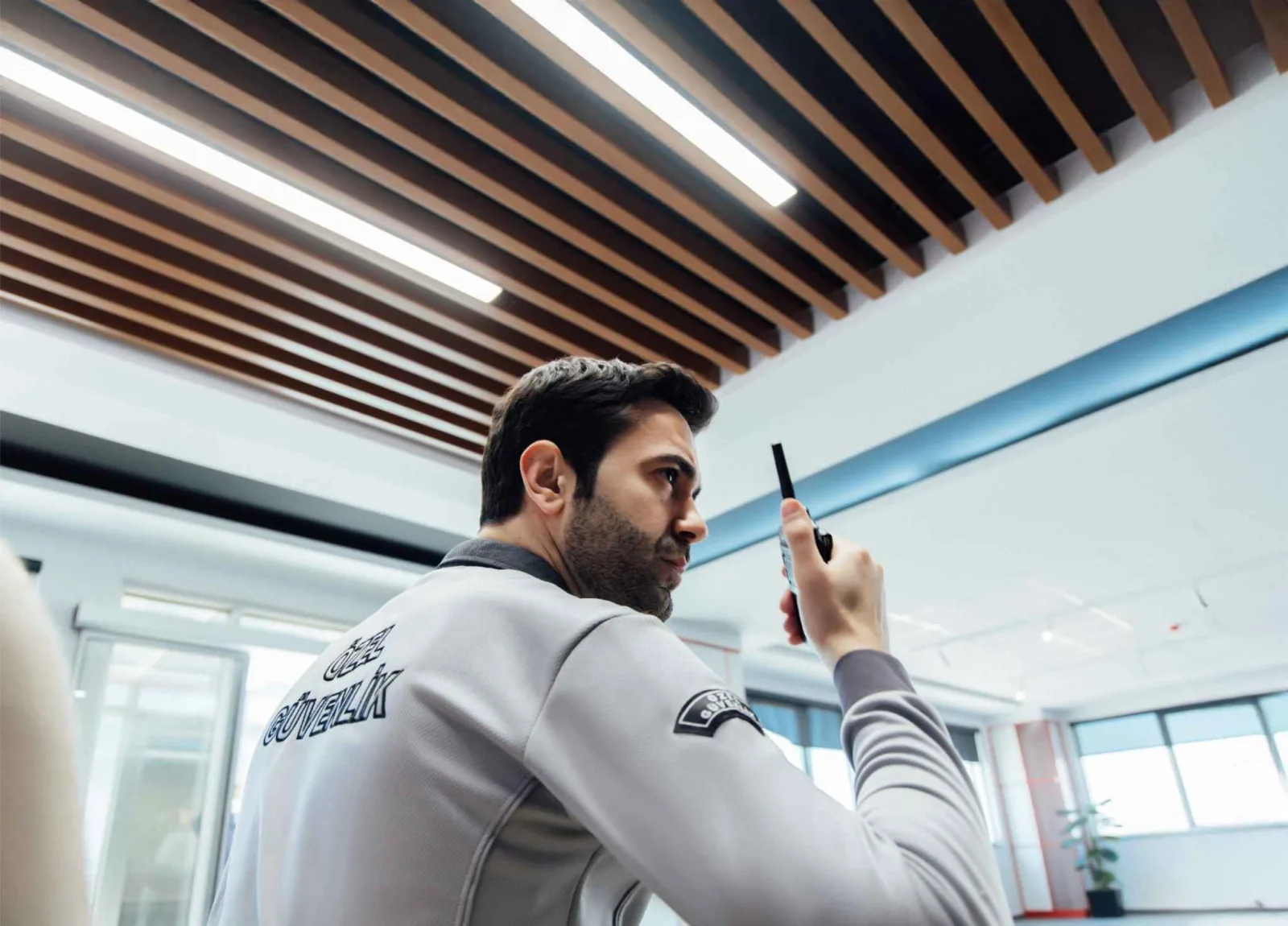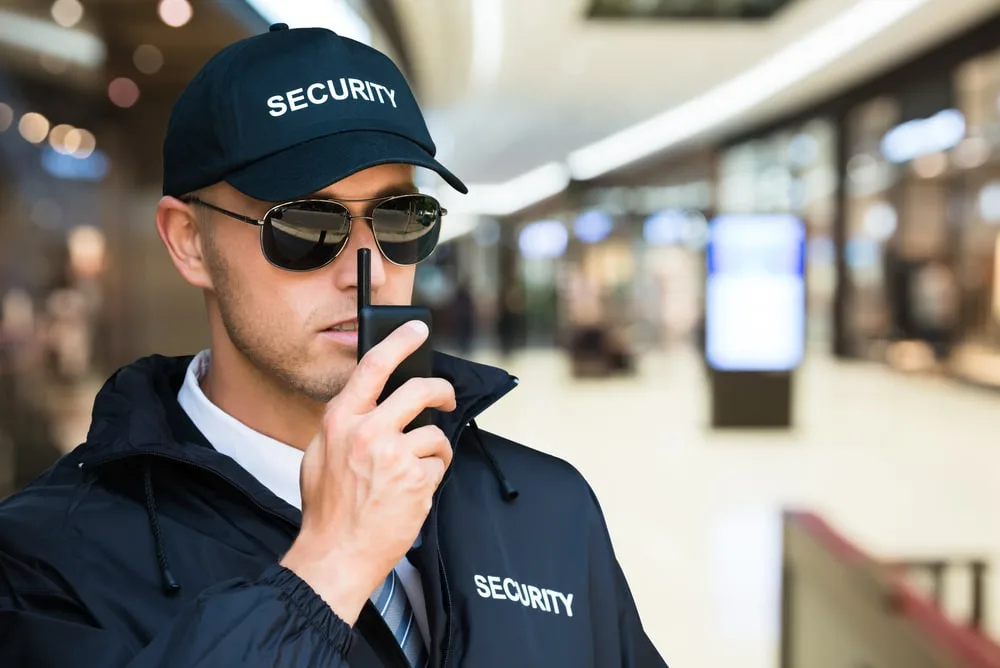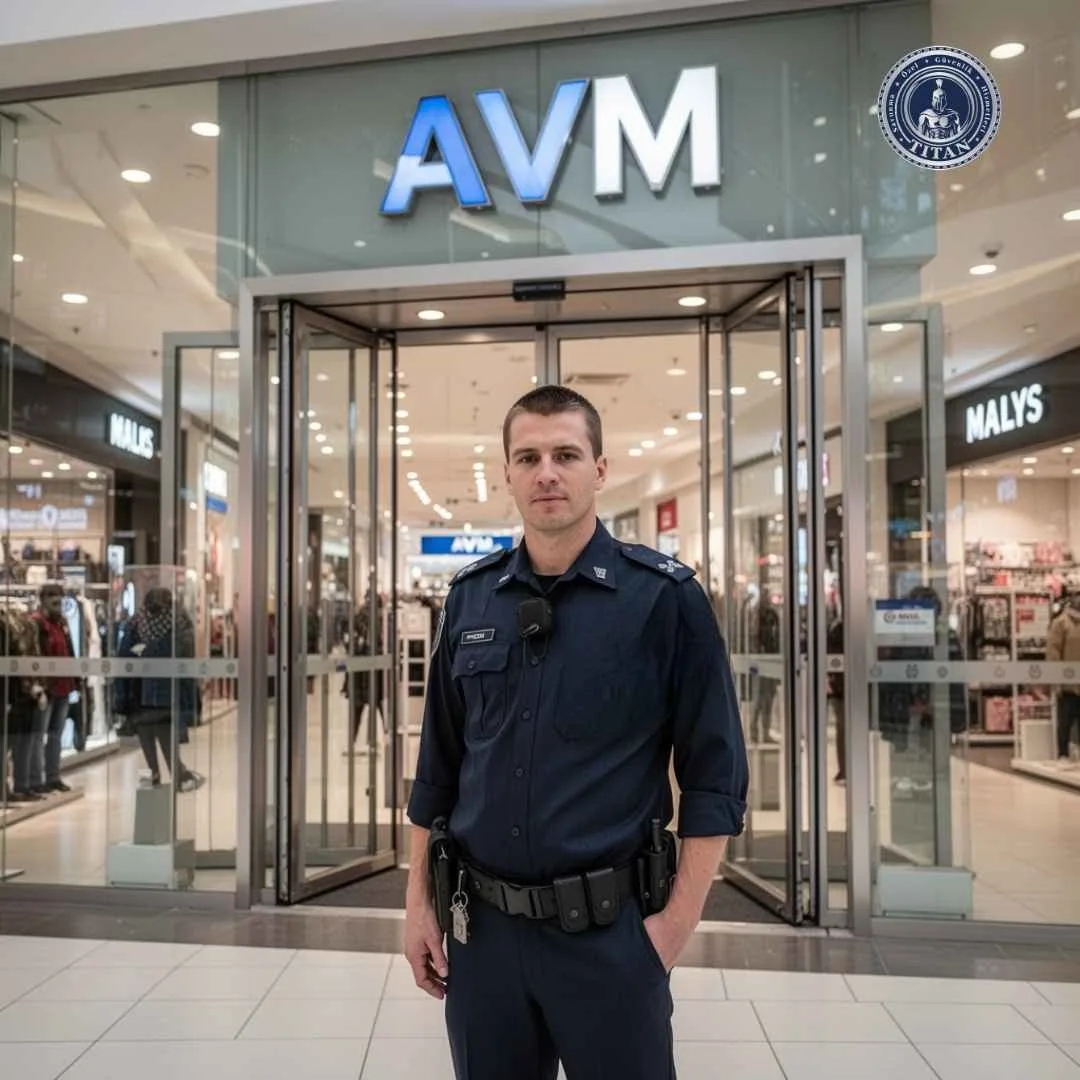
When a parent in a shopping mall says "I can't find my child", what happens in the first few minutes usually decides the outcome. Most missing children turn up quickly in a store, a play area or outside the toilets. Rarely, however, an abduction is possible, and only a prepared team can manage that risk. The short answer: every mall in Turkey should have a written, rehearsed lost child procedure in which every role is clear. It should cover taking a fast description, a coded announcement, watching the exits, a structured search, early contact with the police and a firm rule that no child is handed over without verifying the adult.
This article is general information, not legal advice.
What is Code Adam, and why use it as a model in Turkey?
Code Adam is a programme of the US National Center for Missing & Exploited Children (NCMEC). According to NCMEC's programme page, it was created in memory of six-year-old Adam Walsh, who was abducted from a department store, and it gives businesses a fast search protocol for a lost or possibly abducted child. The programme kit includes staff training material, a poster with the search protocol and a manager's checklist.
Turkey has no official equivalent, but the logic adapts well to any mall. Two things change. First, the police and gendarmerie are reached through 112, the single emergency number. Second, the powers of private security officers are limited by Law No. 5188 on Private Security Services. The procedure should therefore follow a "watch, ask, report" logic rather than "lock the doors and search everyone".
Groundwork before writing the procedure
- Code word: a short code that staff recognise instantly but that does not alarm shoppers.
- Description form: a one-page form covering age, sex, height, hair, clothing and shoe colours, where and when the child was last seen, who they might be with, and any medical condition or communication difficulty such as autism.
- Exit list: pedestrian entrances, car park lifts, service corridors and vehicle exits are numbered, and each one has a pre-assigned person.
- Reunion room: a quiet room with camera coverage, away from crowds, where the family and child meet.
- Languages: in malls with many tourists, the announcement text is ready in English and other relevant languages.
- Tenants: stores receive a short summary and are asked to brief their own staff.
Roles: who does what
| Role | Task |
|---|---|
| First responder | Calms the parent, completes the description form, alerts the control room and stays with the family. |
| Control room | Starts the code, makes the announcement, reviews cameras around the last-seen area, logs times. |
| Exit staff | Go to their assigned exit, watch for a child matching the description, report anything suspicious. |
| Search teams | Sweep play areas, toilets, cinema, fire stairs, storage and service areas zone by zone. |
| Store staff | Check their own fitting rooms and back-of-house areas and report back. |
| Mall management | Coordinates with police and handles any press or social media enquiries through one channel. |
Watching the exits: where is the legal line?
Exit control is the most delicate step. Article 7 of Law No. 5188 lets private security officers use walk-through and hand-held detectors and X-ray screening for people entering their area; it does not let them stop everyone leaving or search bags. Article 9 adds that powers may only be used within the duty area and during duty hours. So the exit officer's job is to observe, speak politely to an adult accompanying a child who matches the description, and report to the control room.
The picture changes if there are strong signs of abduction. Article 90 of Turkey's Code of Criminal Procedure allows anyone to make a temporary apprehension when a crime is caught in the act, and states that for such crimes against children the apprehension does not depend on a complaint. Under Article 9 of Law No. 5188, the person apprehended must be handed to the general police. This decision should be made only by a trained officer acting on concrete signs. Fire and emergency exits are never locked; building evacuation always comes first.
Working with the police
NCMEC's advice to parents is to alert the store manager or security first and then immediately call the police. The same logic works in a Turkish mall. If there are signs of abduction, the child is very young or a medical condition has been reported, call 112 at once. Otherwise, the procedure sets a short, written search window; if the child is not found within it, the police are called without further delay.
Prepare the information pack in advance: the description form, a recent photo from the parent's phone, last-seen place and time, the time range of relevant camera footage, and the zones already searched. Once the police arrive, they take command and the mall team moves into a support role.
Handover rules: who gets the child?
Finding the child is not the end. The worst mistake is handing the child to the first person who says "I'm the mother". The written rules should include:
- The child goes to the designated quiet room, not to a public announcement point, and their name is not broadcast.
- The adult is asked to describe the child and their clothing, and an identity document is checked.
- Staff watch the child's reaction; the child should recognise the adult and appear at ease.
- If there is any doubt, there is no handover until the police arrive.
- The time, the staff member handing over and the adult receiving the child are recorded in the incident report.
The child's photo should be shared only on internal channels for the search and deleted from staff devices once the case is closed. The Turkish data protection authority's announcement on security cameras also reminds operators to respect the privacy of people in public areas, especially children.
The reverse case: a child looking for their family
Sometimes the process starts the other way round: staff or a shopper find a crying child with no adult nearby. Do not move the child far from where they were found, because the family is likely to come back to that area. One staff member waits with the child, the control room checks whether a parent has reported a matching description, and any announcement describes clothing rather than giving the child's name. Keep the child in the presence of two staff members at all times, which protects both the child and the staff. For children with communication difficulties or special needs, a quiet corner, few questions and a calm voice matter more than speed.
Drills and records
A procedure that exists only on paper falls apart in the first real case. Article 11 of Turkey's Occupational Health and Safety Law No. 6331 requires employers to prepare emergency plans, train the people assigned to them and run drills, and a lost child scenario fits naturally into that drill calendar. Measure how long the announcement takes, how long it takes to reach each exit and how long the description form takes. After every real case and every drill, hold a short review and carry lessons into the next training round.
Checklist
- Are the code word, announcement text and foreign-language versions ready?
- Is the description form available at every information desk and in the control room?
- Is each exit assigned to a named person on every shift?
- Do exit staff understand the limits of their powers?
- Is the trigger for calling the police written down?
- Are identity checks at handover applied and recorded?
- Are tenant stores aware of the procedure and included in drills?
For common-area management and visitor flow, see our shopping centre security page.
Titan Savunma is an Ankara-based private security company holding an operating licence from the Ministry of Interior under Law No. 5188, with ISO 9001, 14001, 45001, 22301 and 28000 certificates. We work with international companies in English and Turkish and plan services for sites in different provinces with a single point of contact, written scope and regular reporting. For help writing and rehearsing procedures, see our private security services in Turkey or contact us.
Sources and Further Reading
- Code Adam programme, National Center for Missing & Exploited Children
- Is your child missing? National Center for Missing & Exploited Children
- Law No. 5188 on Private Security Services, mevzuat.gov.tr
- Code of Criminal Procedure No. 5271, mevzuat.gov.tr
- Law No. 6331 on Occupational Health and Safety, mevzuat.gov.tr
- KVKK public announcement on security cameras, kvkk.gov.tr