Visitor admission, technical maintenance and programme preparation may occur simultaneously in a media building. Security arrangements need to understand that workflow. It is not appropriate to assign every media organisation the same threat level or to treat uninterrupted broadcasting as a guarantee that guarding alone can provide. Assess the organisation's activities, location and verified incident information.
UNESCO treats the safety of journalists and media workers as an important part of press freedom. A security plan should likewise prioritise people, rather than expecting staff to remain in unsafe conditions to maintain a broadcast schedule.
Separate guest, audience and contractor approval
An invitation to a programme does not authorise access to the newsroom or technical areas. The host should maintain an approved list and identify who will accompany guests. Reception security needs a clear authority for last-minute changes.
For audience admission, consider queues, waiting space and accessibility together. Checks must rest on applicable legal powers and clear rules. Do not assume a private security service can routinely conduct police database checks on every visitor. Identity verification and a detailed background investigation are different activities.
Link access to operational need
Define access to studios, control rooms, server rooms and other technical areas with broadcast and engineering managers. Biometric readers are not automatically required everywhere. Evaluate the method against necessity and its personal data implications.
Checking a maintenance contractor's identity and work order does not replace technical permission to begin work. Security officers implement approved admission arrangements; they do not independently decide to shut down or restart broadcasting systems. Establish who receives fault reports and security notifications.
Keep the live-broadcast decision chain clear
Keeping an incident off camera cannot be the primary measure of a successful response. Personal safety, lawful action and emergency assistance where required take priority. Document the respective decision-making roles of the programme lead, facilities manager and security supervisor.
Exit routes, assembly arrangements and accessible evacuation should align with the site's emergency plan. The security team's role belongs within that plan, while technical resilience and broadcast redundancy remain the responsibility of the relevant engineering teams.
Assess outside broadcasts separately
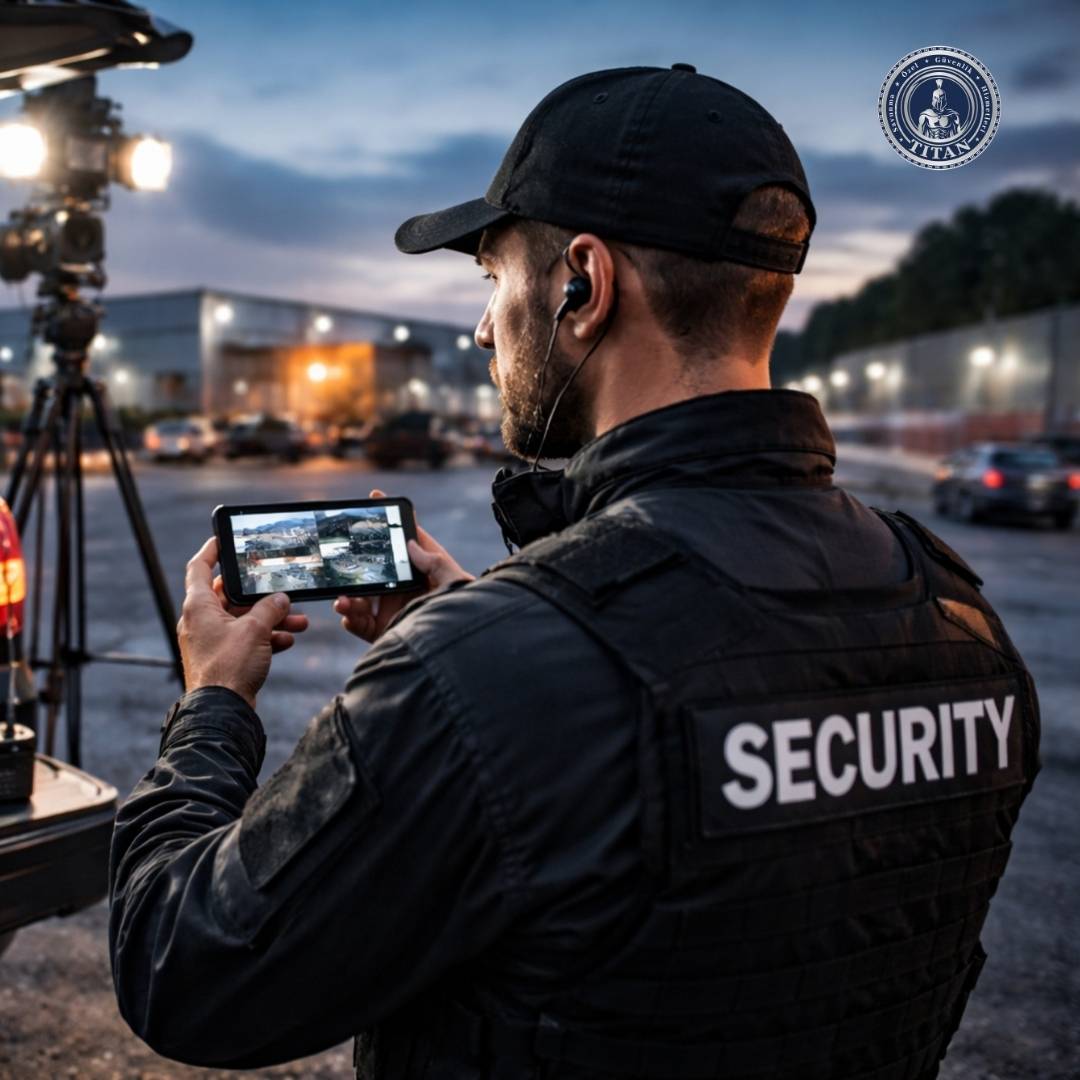
Do not copy studio arrangements unchanged into a field assignment. Review team size, changing locations, hours, vehicle parking, cable routes and contact arrangements before the shoot. Working in a public place does not give a private security team unrestricted authority to close public areas or exercise police powers.
Establish who may stop the assignment or decide to leave, and how the team will be followed up if contact is lost. Refer concrete threats against journalists to the appropriate authorities. Any need for close protection requires a separate assessment of lawful scope and professional competence.
Protect confidentiality and learn from incidents
Do not disclose visitor lists, programme guests or staff movements beyond those who need them. Explain the purpose, access and retention arrangements for camera systems. A post-incident review should establish the timeline, approvals and communication problems before assigning blame. Asking a supplier to map responsibilities for a sample programme day produces more useful evidence than a broad promise that broadcasting will never stop.