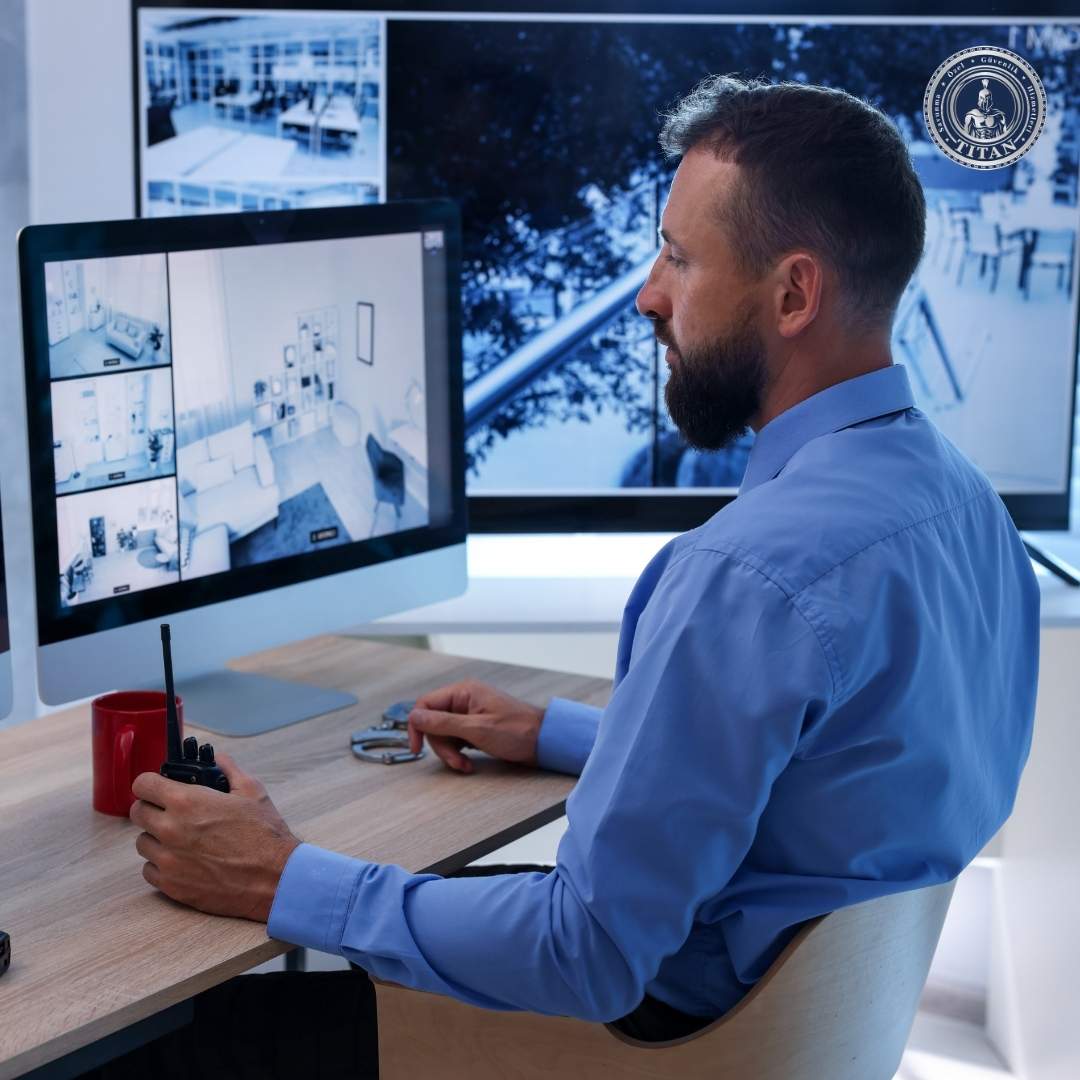
A night patrol dashboard showing every checkpoint in green may be encouraging, but it does not by itself demonstrate that a site is secure. An electronic record can document where and when an action was logged. Whether the door was meaningfully checked, a fault was reported and the problem was resolved are separate questions.
Managers therefore need more than a completed-tour count. A useful report explains why checks are made, how exceptions are understood and who owns the follow-up. This article focuses on service verification, rather than the staffing design of the night shift.
Give each checkpoint a clear purpose
Define why a checkpoint exists: for example, observing a door's condition under an approved instruction, checking whether an access route is usable or reporting visible damage. If the only instruction is to scan a code, data can be generated without revealing the quality of the observation.
A checklist should not require an officer to perform engineering inspections or enter a hazardous area. Observing a generator-room door from outside is different from technically examining running equipment. The responsible technical and security teams should agree the boundary.
Record why a patrol was incomplete
When a tour is delayed, examine the context. Another incident, an authorised instruction, an unsafe route or a device fault may explain it. Treating every missing record as misconduct can discourage accurate reporting. Document the explanation and what happened next.
Where an offline device uploads later, distinguish the event time from the upload time. Check possible clock errors and duplicate records. Ask the system supplier how amendments and changes of user can be traced.
Separate closing an alert from fixing a problem
Dismissing a notification does not mean the physical condition has been corrected. A lighting fault may need separate records for the recipient, temporary arrangement, work order and completion confirmation. If the next shift faces the same problem, it should remain visible as outstanding work.
Incident records should describe observations. Record the condition, place, time and person notified without adding an unverified allegation about intent or criminal conduct. Avoid copying unnecessary employee or visitor information into reports.
Strengthen supervision with sample verification
Comparing selected records with actual site conditions can reveal more than looking at totals alone. A supervisor should examine workable instructions, communications, handovers and technical follow-up. An unannounced visit does not guarantee perfect discipline or continuous alertness.
Fatigue also matters. HSE highlights the effect of workload and shift arrangements on human performance. This foreign guidance supports examining the work system as well as individual actions; it does not replace Turkish employment rules.
Make the client report useful for decisions
Lead with outstanding conditions, completed corrections and decisions still needed. Detailed tour data can be provided as supporting information when required. Establish who may access records, how long they are retained and how authorised requests are handled. Electronic evidence may assist an investigation, but it does not guarantee exemption from liability or payment of an insurance claim. The practical test is whether the report helps the organisation manage the following night more effectively.