Generating an alarm at a remote solar or wind site is different from dealing with the event effectively. A sensor may work, yet the alert remains difficult to locate, the relevant image is unavailable or the access road is closed. An operational security plan must address the whole chain.
Energy sites differ. Perimeter length, terrain, maintenance visits, communications infrastructure and seasonal conditions should be assessed before selecting equipment or a staffing model. The purpose is a working arrangement suited to the location, not the largest possible equipment list.
Define the event and the person responsible for assessing it
A perimeter intrusion, scheduled maintenance visit, technical fault and communications failure are different events. Combining them under an unclear alarm label can make an operator's work harder. Zone names and descriptions should match the current site layout.
NPSA notes that perimeter detection systems can produce false alarms and require verification. Weather, animals or equipment faults may trigger alerts. Receiving an alarm therefore does not establish that an offence has occurred. This guidance is a technical reference rather than a requirement imposed by Turkish law.
Test detection, imagery and access together
Do not select a camera solely by the maximum distance stated in a catalogue. Assess what can actually be seen in the relevant area, including darkness, lighting, vegetation and maintenance needs. Detecting an object and understanding the nature of an event are different performance requirements.
Acceptance testing can record whether an alert identifies the correct zone, the relevant image is available and the notification reaches an authorised recipient. Tests should be controlled and coordinated with site management. Document demonstrated coverage and remaining limitations instead of promising no blind spots or immediate detection of every event.
Discuss response times against real travel conditions
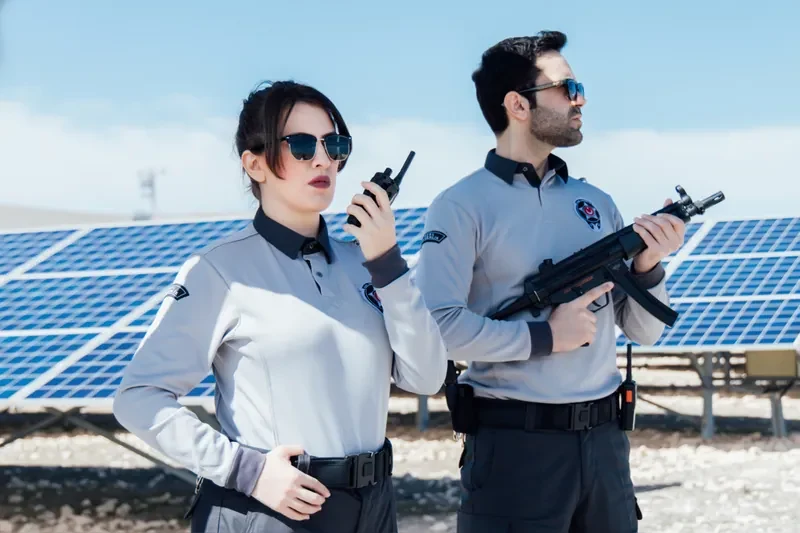
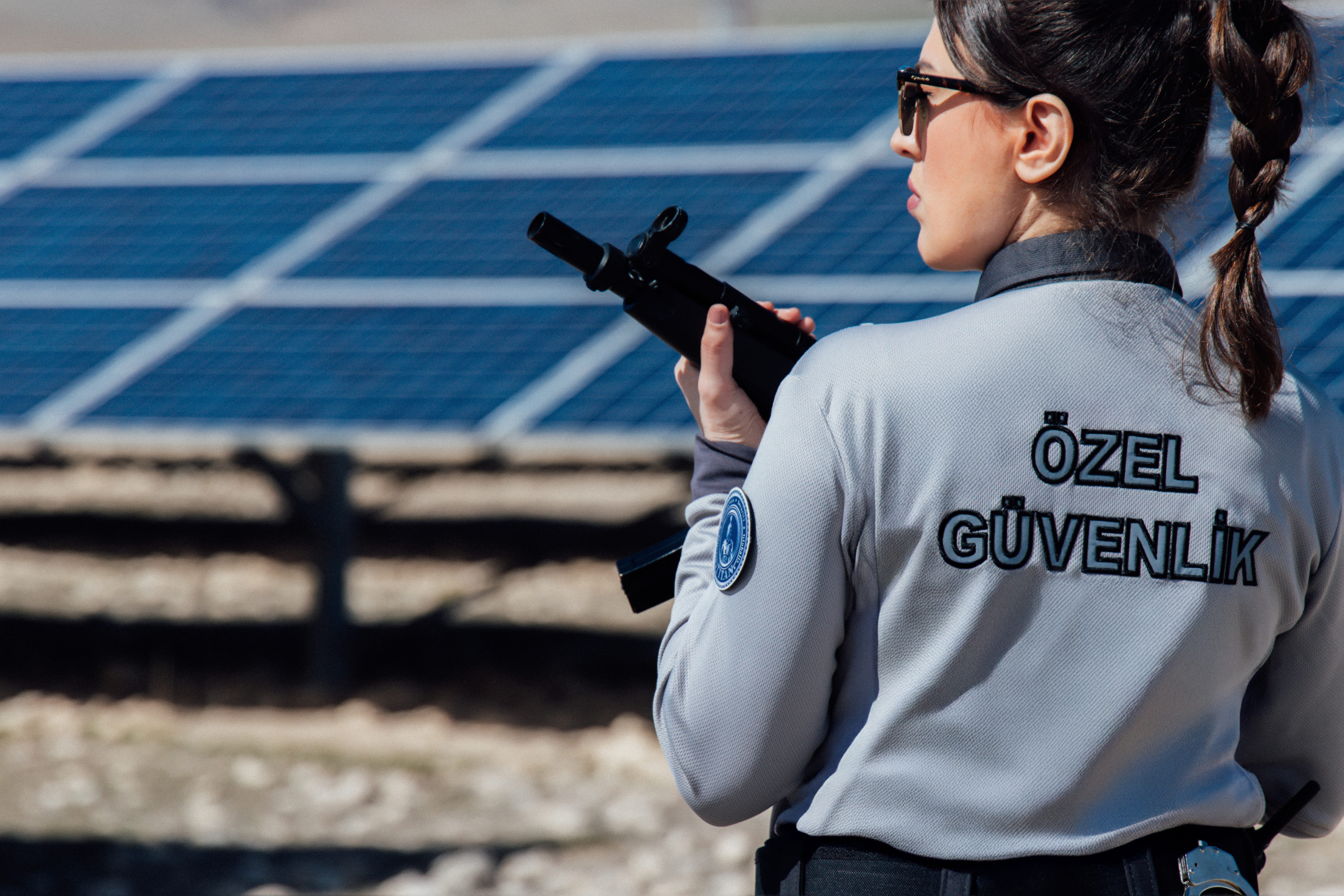
The availability of a vehicle does not prove that every part of a site can be reached within minutes. Consider distance, ground conditions, snow, blocked roads and simultaneous alerts. Define the team's role around observation, safe communication and coordination with authorised parties. Entering hazardous electrical areas or operating technical equipment should not be treated as a routine security response.
The provider's field team, technical maintenance staff and public law enforcement are not interchangeable. Specify when and how each is contacted and which decisions remain with site management.
Include outages and maintenance in the service design
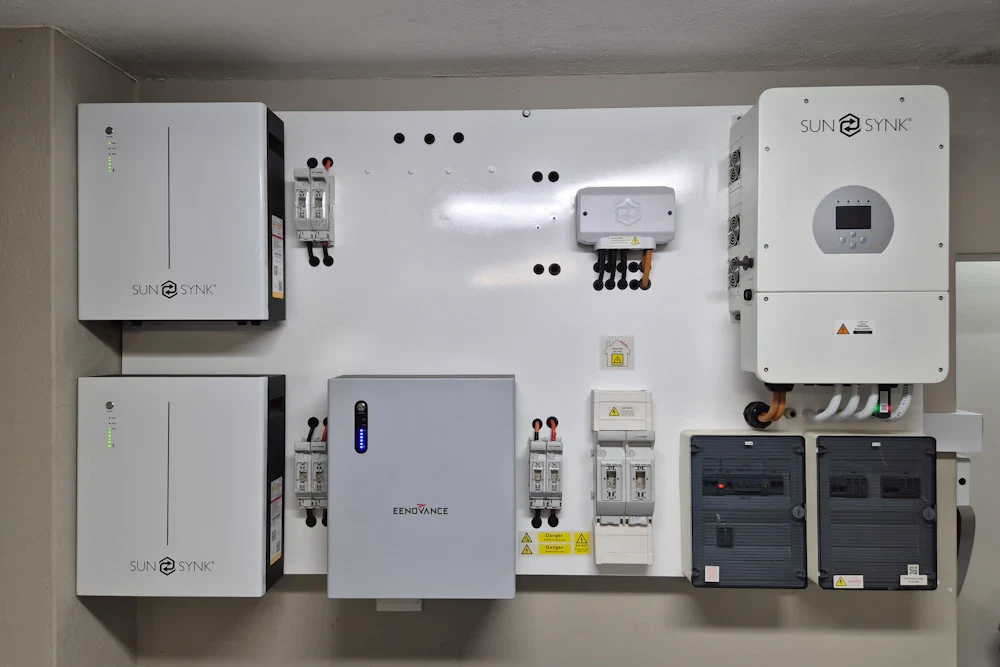
Agree how the loss of power, mobile connectivity or the camera network will itself be detected. Backup power, alternative communication and temporary site measures can be assessed with the technical team. Be explicit about any reduction in recording or alarm coverage during an outage.
NIST's operational technology guidance considers security alongside safety and continuity requirements. Changes to a camera or access system do not justify uncontrolled connections to a production network. Configuration, maintenance and remote access responsibilities should be separately authorised.
Review more than the number of incidents
Service reviews should include recurring false alarms, unavailable zones, unresolved defects and failures in the notification chain. More equipment does not automatically produce better protection. During procurement, establish who maintains each part of the system, what acceptance tests cover and how duties change while equipment is unavailable.
These questions turn a remote-site proposal into an operating process that can be checked. They also make it easier to distinguish an equipment supplier's performance claim from the security provider's actual responsibilities and the site's own technical obligations.