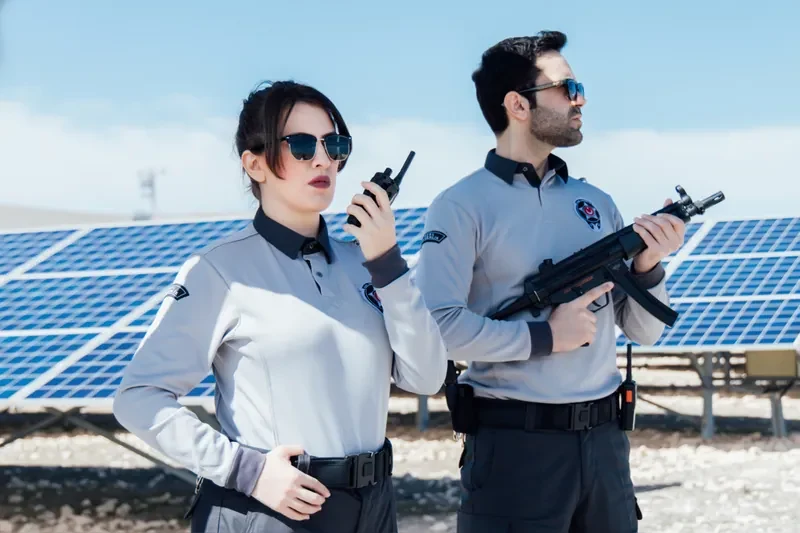
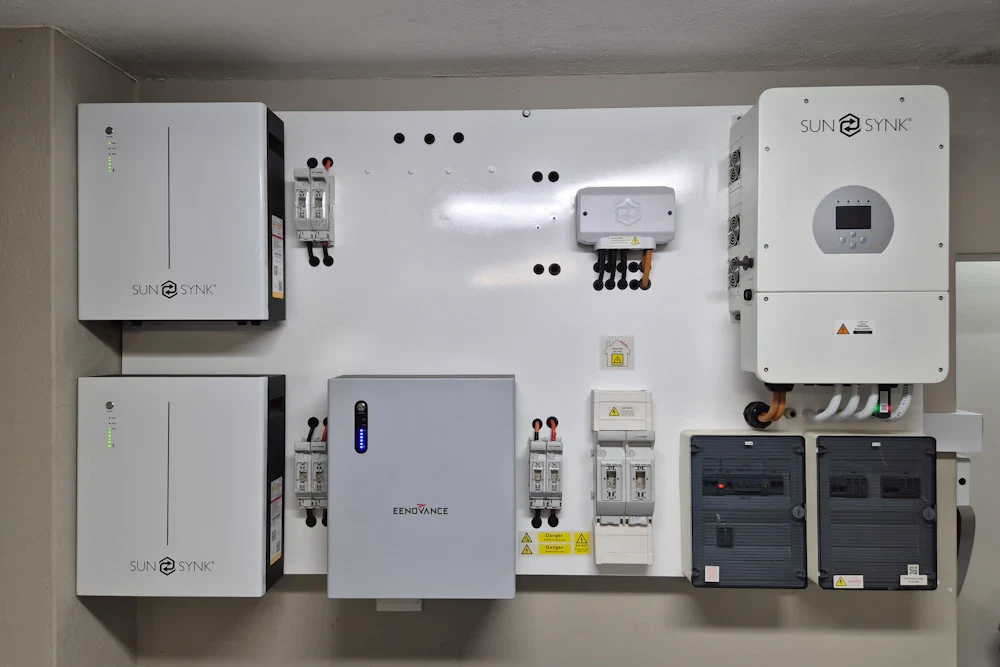
A short distance on a wind farm map may take much longer to travel at night or in poor weather. Security planning should therefore do more than match a vehicle count to a turbine count. Consider which locations patrols can reach safely, available communications and the responsibilities of the technical response team.
Damage to cables or equipment may represent a security incident and a serious technical hazard. An officer's role is safe observation and accurate reporting, not electrical inspection or repair. The following approach helps buyers define a remote-site service around realistic operating conditions.
Check the map against conditions on the ground
Operations and security leads should identify usable roads, temporary maintenance areas, communications gaps and access restrictions together. A road accessible in dry weather may not remain usable throughout the year. Establish who can change patrol arrangements when snow, fog, wind, maintenance or road deterioration affects access.
Select vehicles according to the route, task and driver's competence. An ATV or four-wheel-drive vehicle is not automatically safe in every setting. Equally, instead of declaring all foot patrols impossible, assess which form of access is appropriate for each area.
Build a working contact chain for lone personnel
HSE's lone-working guidance highlights training, supervision, contact arrangements and emergency assistance. For a Turkish site, consider these recommendations alongside the local occupational safety assessment. A tracking device transmitting a location does not, by itself, demonstrate that a worker can obtain help.
Define who responds to missed contact, what alternative communication is available and how assistance reaches the location. A handover should include closed roads, faulty devices and continuing technical work, rather than simply the exchange of personnel. Travel and recovery arrangements also affect the demands of night duty.
Understand an alarm before directing a patrol
A perimeter or equipment sensor generates an alert; its cause still requires assessment. Weather, vegetation, animals and authorised maintenance can produce unwanted or expected alarms. The notification should make the location, time and available verification information clear.
Ask suppliers what happens when communications fail, who notices a device fault and how events are tracked, rather than asking only about detection range. Response commitments should reflect actual site conditions. Automatically sending a lone officer into a hazardous area for every alarm is not a sound default.
Keep electrical responsibilities with competent personnel
A cut cable, open cabinet or damaged installation should be reported through the approved incident chain to the responsible technical person. Security officers should not guess the electrical condition, touch the cable or restart equipment. Technical safety assessment and repairs belong to competent personnel.
Where records can be made safely, document observations and reporting times. Within the site plan and legal powers, security may help prevent unauthorised approach. A suspected loss should not automatically be declared theft before the facts are established.
Test the assumptions before accepting the service
Mobilisation checks can test communications, location identification and reporting across different routes. Verify the alternative arrangement for a closed road and the currency of technical-team permissions. HSE and NPSA provide foreign practice guidance; they do not replace Turkish requirements or the site's engineering assessment. A useful security model makes limitations and alternatives explicit, rather than promising arrival times that the terrain may not allow.