A solar or wind energy site's security needs change when construction ends. Temporary entrances, contractors and material deliveries dominate the building phase. During operation, authorised maintenance access, alarm handling and the continuity of production systems become more important. Integrated security should therefore be understood as an agreed working arrangement between physical safeguards, security officers and technical teams, rather than a collection of devices.
Define responsibilities for each project phase
Start by identifying the assets to be protected and who is responsible for them. Storage areas, cable compounds, transformer zones, control rooms and perimeter boundaries do not require identical access arrangements. Review entrances, working hours, visitors and responsible teams separately for construction, commissioning and operation.
Defining site boundaries and managing unauthorised access are also central to HSE's guidance on protecting the public. This UK guidance does not replace Turkish requirements. It offers a useful planning reference for considering deliveries, visitors and pedestrians together; applicable Turkish permissions and duties require their own assessment.
Track contractor access and the transfer of materials
Passing through the gate does not establish that a delivery has been accepted. Identify who authorises the vehicle, who confirms the delivery and who takes responsibility for the materials. A security entry record and a warehouse receipt serve different purposes. Agree in advance who can approve out-of-hours deliveries, temporary passes and changes to contractor teams.
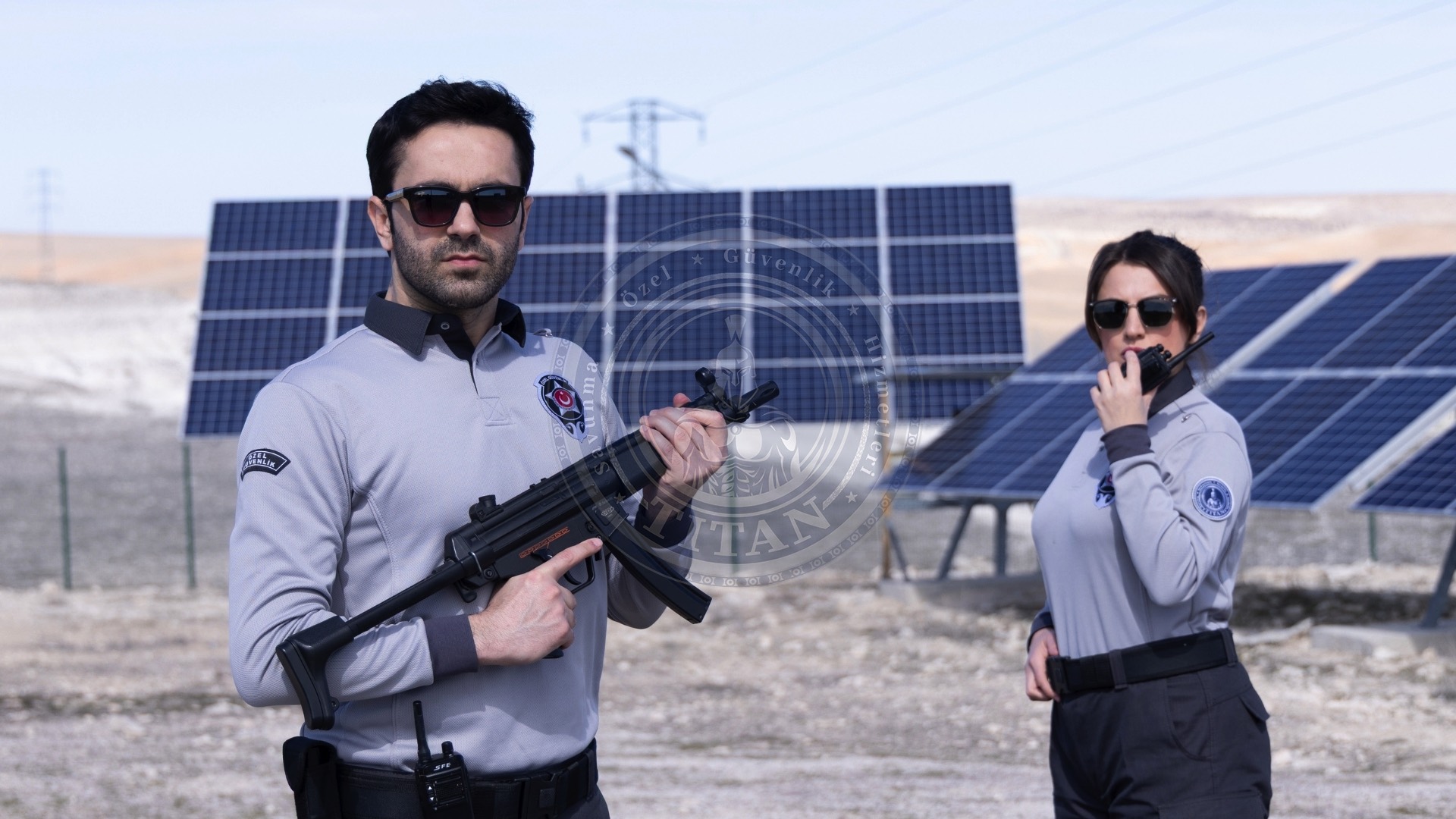
A security officer's observation and reporting responsibilities should not be confused with technical acceptance or occupational safety inspection. Operating an electrical panel, entering a hazardous area or diagnosing equipment faults must not be assumed to be routine security duties.
Include security in the operational handover
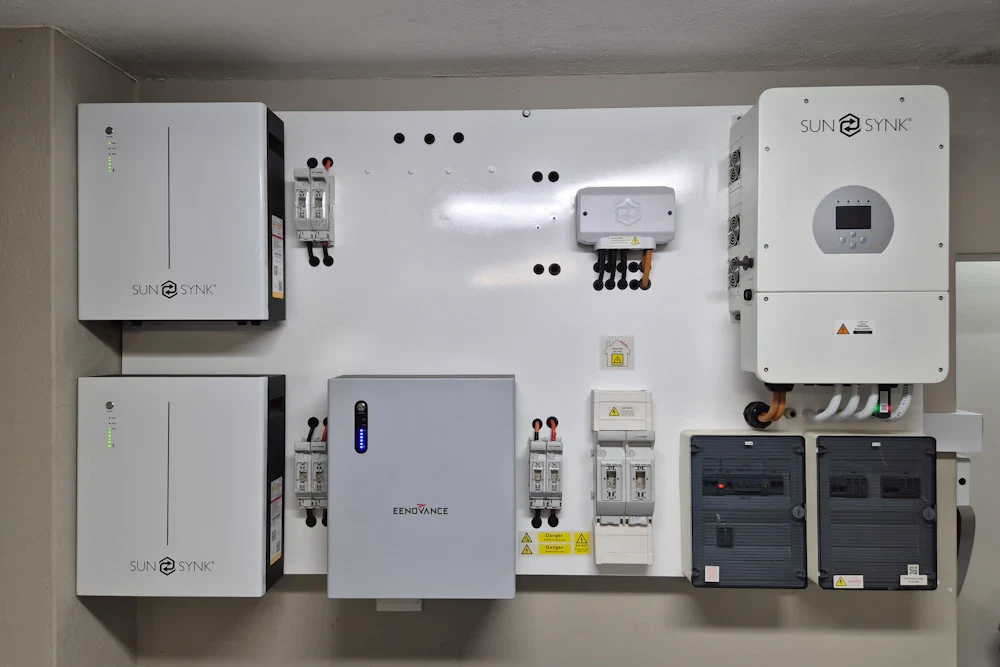
A device inventory alone is insufficient for handover. Review keys, cards, access permissions, alarm contacts, maintenance responsibilities and outstanding faults together. Remove access for departing contractors and reassess whether temporary entrances remain suitable for permanent use.
- Who receives, assesses and escalates each alarm?
- Which communication route remains available during power or network failures?
- What acceptance tests will cover darkness, poor weather and shift changes?
- Who owns the temporary safeguard and completion date for an unresolved defect?
Record the outcome, including unresolved responsibilities. A handover that lists equipment without assigning decisions can leave both the outgoing and incoming teams expecting the other to act.
Separate physical alerts from technical intervention
NIST's operational technology guidance addresses security alongside performance, reliability and safety requirements. This distinction matters at energy sites: seeing an alarm does not authorise a security officer to change SCADA settings or stop production equipment. Those decisions belong within the site's authorised technical and emergency arrangements.
A communication plan can specify the location, time, observed condition and instructions received. This helps teams distinguish a confirmed observation from a fault whose cause has not yet been established. Technical access and changes should remain accountable to the relevant authorised personnel.
Evaluate a service by its working procedures
Thermal cameras, radar and drones are not mandatory for every site, and no individual device guarantees the prevention of intrusion. Selection should consider terrain, lighting, weather, maintenance, privacy and the available response capability. During procurement, request a phase-specific scope, acceptance-test records, alarm escalation procedures and a method for approving changes.
Choose practical measures of performance, such as unfinished acceptance tests, recurring faults and reports awaiting action. The objective is a clear transfer of responsibilities under the site's actual operating conditions, with equipment supporting a process that people can follow.