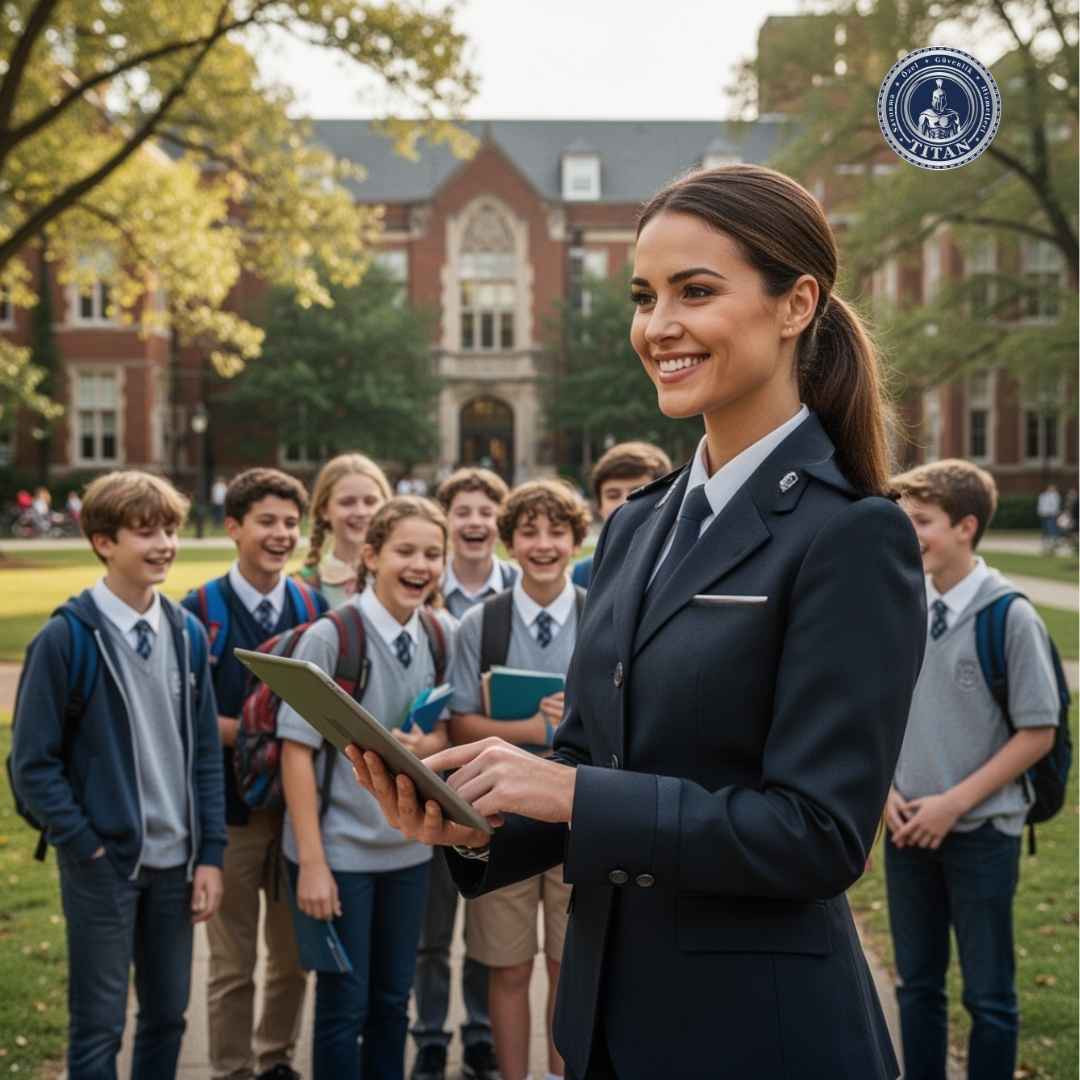

The purpose of school security is to establish understandable arrangements that support education and daily operations. Morning arrivals, lessons, parent meetings, school transport and after-school activities involve different needs. A small school's entrance arrangements should therefore not simply be copied onto a large campus. The service scope should reflect students' age groups, how the grounds are used and the responsibilities of school management.
Consider Security Alongside the Learning Environment
CISA's K-12 School Security Guide considers personnel, technology, policies, site design and training as connected elements. It also recommends considering how measures affect a positive, welcoming school environment. This international approach does not replace Turkish rules on duties and authority. It is a reminder that a single tool cannot resolve every planning issue.
In practice, how a rule is explained to a child, where a parent is directed and which school contact handles a disagreement all matter. Calm communication can be expected of a security officer. That expectation does not make the officer a teacher, counsellor or decision-maker on disciplinary matters.
Make Arrivals and Parent Meetings Predictable
Knowing whom a visitor is meeting and why they have come helps organise reception. The Ministry of National Education's School Appointment System is an official channel for parent meetings. An institution should clarify how appointments, management approval and information shared with the entrance point fit together.
Having an appointment should not be equated with unrestricted movement through teaching areas. Waiting, direction to meetings and escorts where needed should follow the school's arrangements. There should also be an established route for contacting management when a parent arrives without an appointment, rather than leaving the decision solely to an officer's judgement.
Plan Departures as a Distinct Activity
Student collection and departure arrangements should reflect age groups and school rules. Changes to authorised collectors, delayed transport and students remaining for an activity should be considered in advance. Information at the entrance needs to agree with that held by teachers or management.
- Identify who communicates updated departure information.
- Name the school contact who verifies uncertain situations.
- Consider transport waiting areas and pedestrian movements together.
- Share information about children only with those who need it for their role.
These arrangements are intended to manage risk. No procedure should be described as reducing the possibility of a missing child or another incident to zero. Assess service reliability through duties being understood and performed, rather than absolute promises.
Clarify Reporting and Emergency Roles
If a student asks for help or a staff member notices a concerning situation, it should be clear which school contact receives the report. Communication should inform appropriate people through an appropriate channel, avoiding labels attached to the student or unnecessary circulation of the incident. Counselling and child protection processes belong with the school's responsible functions.
The security team's emergency duties should also connect to the school's plan. Direction, access coordination and informing authorised contacts need to reflect training, authority and assigned duties. First aid or another specialist activity requires separately verified competence.
Assess the Service Against Everyday School Life
A discussion about educational institution security can begin with age groups, arrival and departure times, building use and communication arrangements, before focusing on student numbers alone. This allows a proposal to consider respectful treatment of children alongside clearly bounded responsibilities.