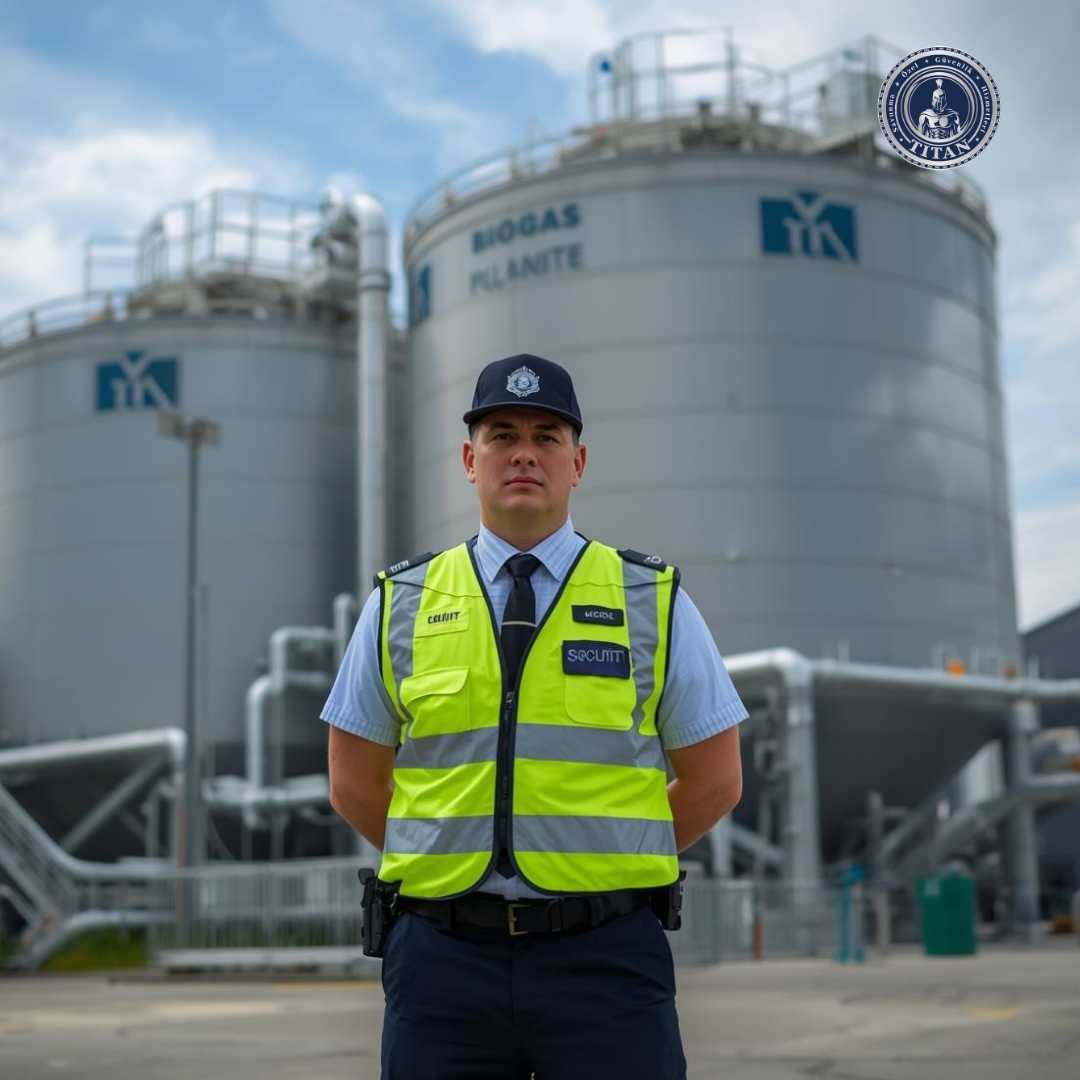
Starting a new security team at a biogas plant involves more than preparing a shift roster. The team needs to know its contacts, where the reception process passes to the operator and how it will learn about production changes. Matters left unclear at mobilisation can resurface with every delivery and maintenance visit. The initial plan should connect security duties with the plant's daily activities.
Understand the Operation Before Choosing a Standard Package
Biogas production uses organic materials to generate energy, but inputs and operating conditions vary between facilities. HSE's energy recovery guidance also calls for consideration of process-specific technical characteristics. For service procurement, this means that the same staffing and equipment package should not be assumed suitable for every energy site. HSE energy recovery guidance.
An initial meeting can usefully include operations, maintenance, dispatch and occupational safety representatives alongside the security coordinator. Its output should be an understandable duty scope rather than a lengthy presentation. This can identify the information security staff will check, the operator's approving contact and responsibility for following up unfinished processes.
Separate Reception from Technical Acceptance
When a vehicle carrying organic feedstock arrives, the security plan may include recording the driver, confirming the appointment and notifying the relevant department. Suitability of the material for the process, technical acceptance and permission to unload belong to the operator's authorised personnel. Completion of a gate record should not imply that all those decisions have been made.
Security and dispatch teams should discuss who decides when a vehicle arrives early, documentation is missing, the driver changes or a delivery is cancelled. Waiting arrangements should fit the site's traffic plan. An officer should not be expected to maintain access records while making production decisions outside the assignment.
Document Temporary Arrangements During Maintenance
Maintenance or expansion may bring more contractors unfamiliar with the plant and create temporary access requirements. HSE's contractor guidance emphasises agreeing responsibilities and relevant site information before work begins. It does not replace Turkish law, but provides a useful reference for advance coordination. HSE contractor management guidance.
- Identify the contractor's contact within the operator and agreed reception hours.
- Explain the difference between entry approval and a technical permit to work.
- Track closure of temporary card, key and equipment handovers.
- Update instructions given to security whenever work areas change.
Shift Handover Should Make Unfinished Work Visible
An unresolved delivery discrepancy, an expected maintenance team or an area closed to access should not depend on verbal reminders alone. A handover record can identify the issue, the person already informed and the action awaited. The officer's role is to record and report within defined safe duties, rather than diagnose a process fault.
An early service review can examine delayed approvals, recurring record gaps and incidents where responsibility was unclear. The purpose is to reduce repeated uncertainty, rather than simply require more forms. Technical hazardous-area assessment and equipment suitability remain separate matters for authorised specialists.
When discussing security service scope with Titan Savunma, you can share the plant's delivery arrangements, maintenance periods and day-to-day coordination needs. These details help ground the proposal in the actual workflow rather than staffing numbers alone.