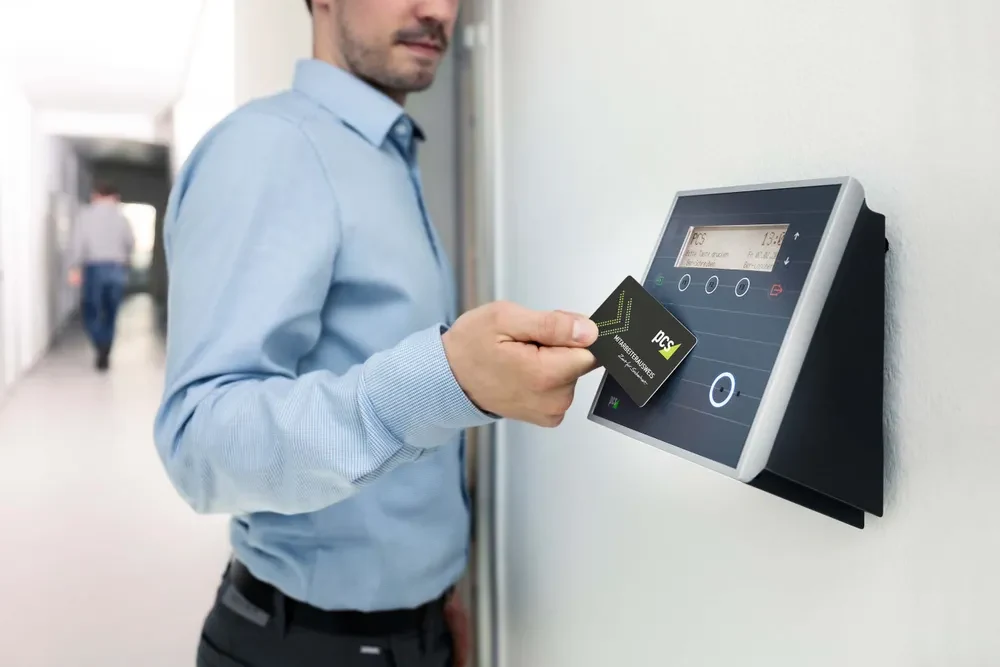
Furniture is installed and the new branch’s opening date has been announced. The fit-out contractor hands over the keys; building management supplies entry cards. Yet if nobody knows who can issue a new card, review temporary permissions or manage an access-system fault, the operational handover is incomplete.
Split “keys received” into three questions: what was transferred, who now makes usage decisions and who owns unfinished work? This keeps the physical handover and daily system administration visible as separate responsibilities.
Research considers project and operational processes together
Davies, Gann and Douglas’s 2009 research on Heathrow Terminal 5 examines project and operational processes through a systems-integration framework. It does not test a small office opening, but offers an example of considering operating relationships alongside delivery of technical components. [1]
Our practical recommendation is to discuss decisions inherited by the new operational owner at the access handover meeting. Who holds a key and who can authorise new access are different questions.
Create three separate inventories
The first covers physical items: keys, cards and associated handover records. The second covers permissions: temporary access, operational roles and system-administration owners. The third lists outstanding actions, such as missing records, an unconfirmed transfer or an unresolved technical issue.
NIST SP 800-53 includes management of keys and other access devices within its physical-access controls. [2] It is a technical control resource here, not automatic certification or confirmation that a Turkish office complies with applicable law.
The inventory does not require secret codes to circulate in plain text. Its purpose is for responsible people to establish custody and authority. Actual credentials should be managed through appropriate secure channels.
Separate fit-out access from operational access
Some contractors may need to return after opening to complete outstanding work. Authorised owners should assess these remaining tasks and record who needs to return for which approved job.
NPSA’s explanation of automatic access systems emphasises the relationship between people, locations and time. [3] We propose using the opening date as a checkpoint to align those relationships with the new operating arrangements.
Answer six handover questions
- Who counted the physical access items, and who accepted them?
- Who owns operational access decisions?
- Who will administer the system, and how was their authority confirmed?
- Which approved access arrangements are needed for remaining contractor work?
- Who owns each outstanding action, and when will it be followed up?
- How will responsibilities across building-management and tenant systems be explained?
Security staff may support handover records, directions or notifications within their assigned role. They should not be expected to approve technical acceptance of the system or certify that the entire branch is ready to operate.
Walk through the first working day
Identify the first contact if a new employee cannot obtain a card, a contractor returns or someone reports an access-system fault. These examples do not require disruptive tests on live doors; discussing the responsibility chain is a useful starting point.
The practical output brings together traceable handover records, access decision-makers and outstanding work. When the first operational question arises, the branch should know whom to contact.