When a foreign company leases an office floor in Turkey, security at the building entrance does not necessarily cover all of the tenant’s requirements. Building staff may ask which company a visitor intends to see, while someone else decides whether that visitor may enter the tenant’s meeting room. If the handover between those roles remains unclear, the first after-hours visit can expose the gap.
A useful security annex starts with decision ownership, before discussing staff numbers. It can serve as an operational record alongside the lease, building rules and service contracts reviewed by the relevant advisers. The aim is a working arrangement in which each party explicitly understands its responsibilities.
Match headquarters standards to local arrangements
Kostova’s 1999 conceptual study explains the role of context when organisational practices cross national borders. It does not assess Turkish leases, but provides a framework for examining headquarters standards within local arrangements. [1]
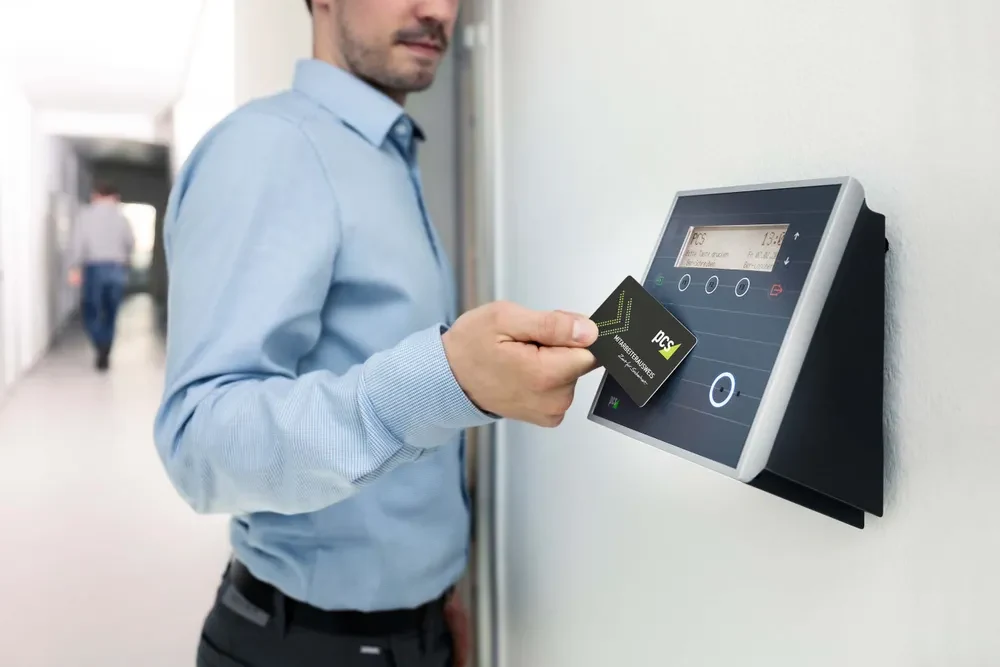
For example, headquarters may require every guest to be registered in its visitor application while the building operates a different reception system. Neither should be assumed to replace the other. The parties should agree which information is required for which purpose and at what stage visitor approval is given.
Describe responsibilities as well as physical boundaries
Identify separate owners for the lobby, shared meeting facilities, tenant office and delivery reception point. The party responsible for an area may not be the person able to answer every request concerning it. Drawing boundaries on a plan is therefore insufficient. State who receives the visitor and who explains a decision when a request cannot proceed.
HSE’s shared-workplace guidance addresses cooperation and coordination between employers. [2] We use it to frame operational questions for the parties; British legal duties do not replace requirements applicable in Turkey.
Test an after-hours request
Suppose an employee in the Turkish office obtains headquarters approval for a technical team to attend that evening. If building security cannot reach a local person authorised to confirm the arrangement, an English email or a senior sender does not resolve the operational gap.
The annex can establish who submits the tenant’s access request, when building management becomes involved and who authorises opening the working area. Decisions about performing new technical work safely should remain with the competent technical and occupational-safety processes. Security staff should not have to invent responsibilities that have never been assigned.
Give six questions concrete answers
- Who creates a visitor request, and who approves admission?
- How does responsibility pass from a common area to the tenant’s space?
- Which authorised contact handles changes outside normal office hours?
- Which duties belong to the building service and which to a separately contracted tenant service?
- Who owns the resulting records and decides access to them?
- Who updates the annex when responsibilities or contact details change?
NPSA’s shared-workspace guidance addresses defined areas and visitor management undertaken with users. [3] The proposed annex translates those general considerations into decisions for the tenant’s particular relationships.
Check implementation after agreement
Once the parties accept the document, walk through a short example at a meeting. Who receives the first message about a scheduled guest, an unexpected courier or a changed technical visit? Who can make the necessary decision? Assign any outstanding action to a named role.
Having two security contracts does not establish that the two services coordinate effectively. The practical value for the tenant is making overlapping or unowned tasks visible and ensuring that staff receive clear updates when arrangements change.