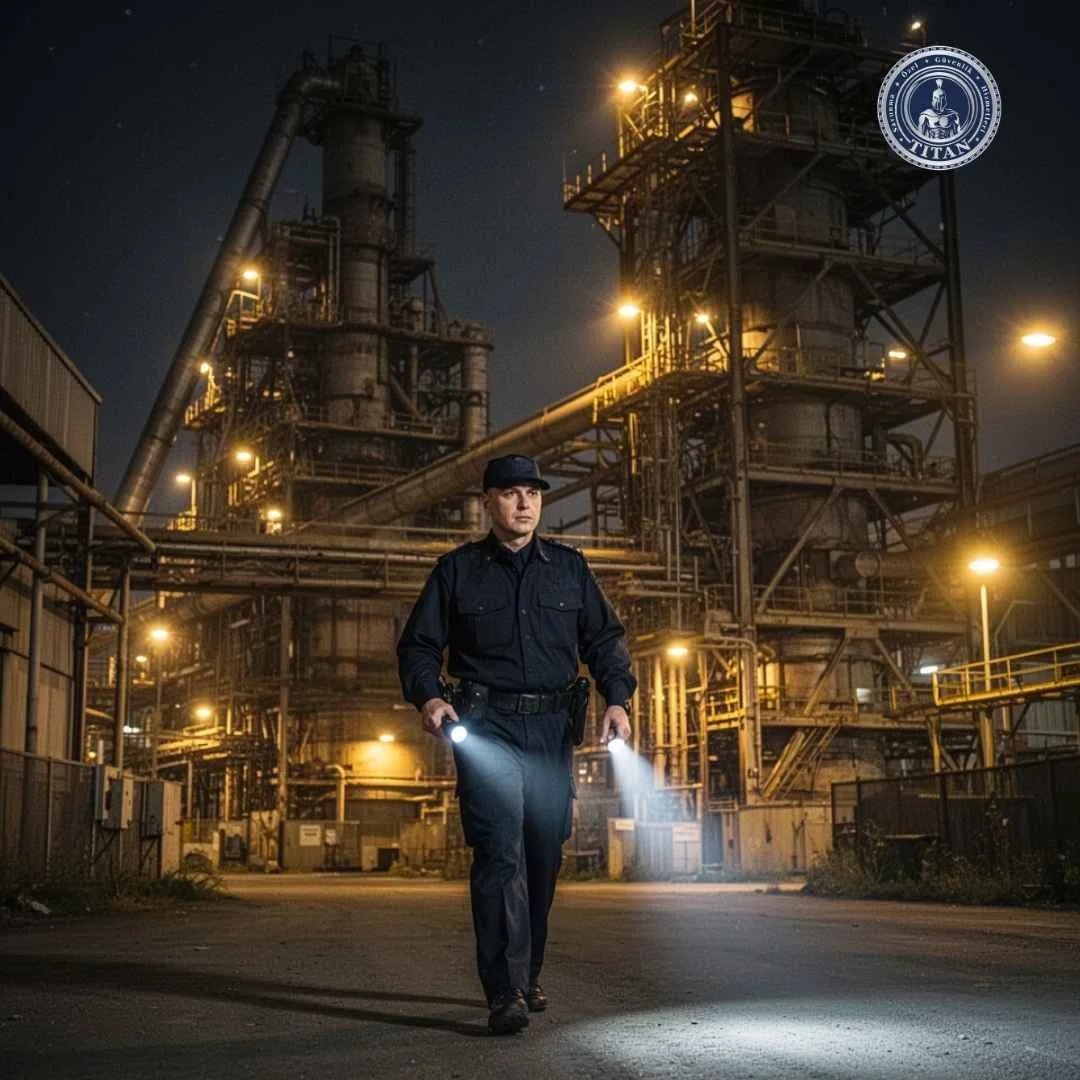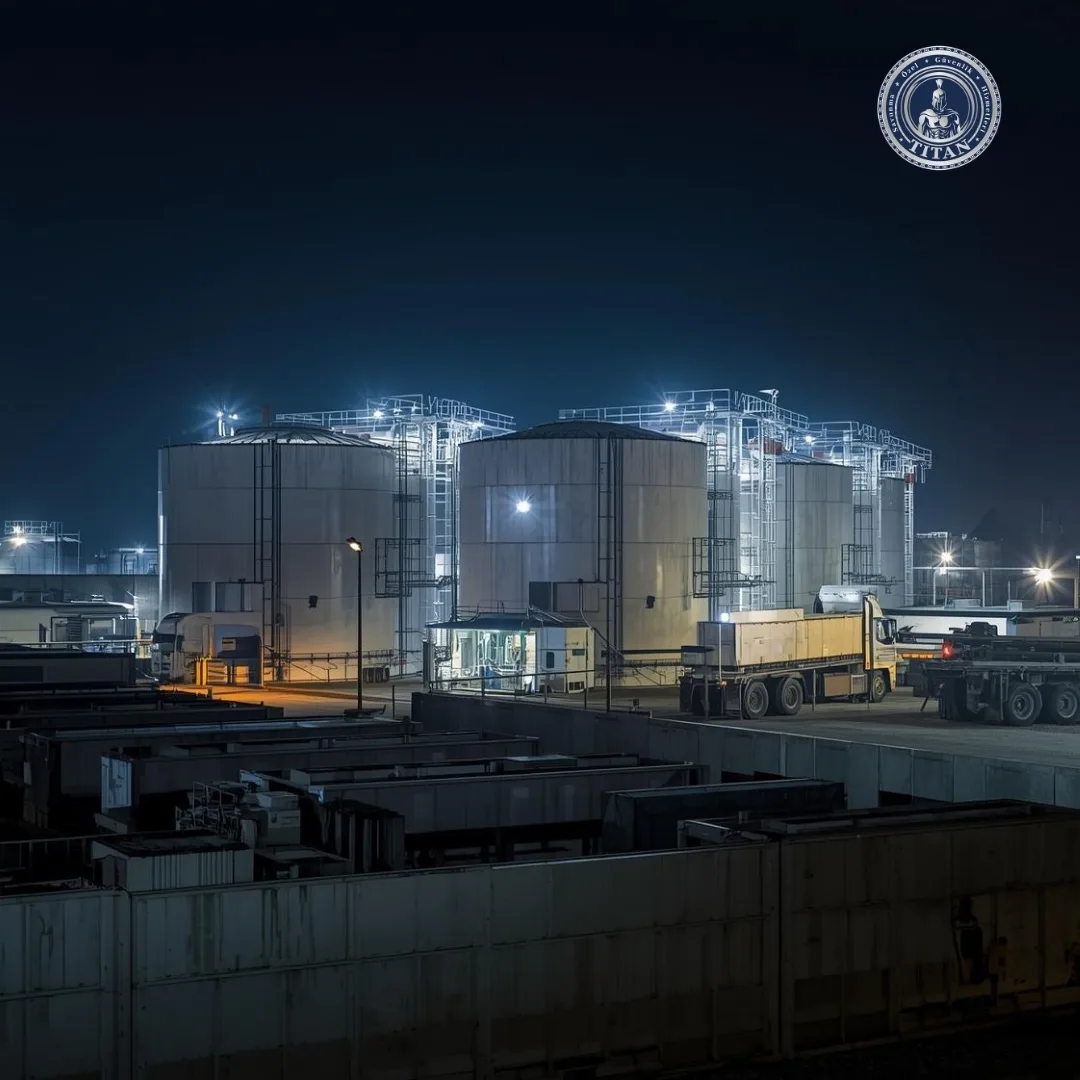
For a company operating in a Turkish free zone (serbest bölge), security has two layers. Zone-wide security, meaning the perimeter, the entry and exit gates and public order, is a state responsibility: the police provide public order services, and police and customs enforcement officers (gümrük muhafaza) are stationed at the gates. Protection of the company's own buildings and facilities is the duty of the user, the company holding an operating licence. The zone operator must also put in place physical measures at the perimeter against unauthorised movement of goods and help coordinate general safety measures.
This article explains that division for foreign and Turkish companies manufacturing, storing or trading in a free zone, based on Free Zones Law No. 3218 and the current text of the Free Zones Implementing Regulation. This article is general information, not legal advice.
The legal structure in brief
Under Article 2 of Law No. 3218, the President decides the location and boundaries of free zones. Article 3 defines two key roles: the operator (işletici) that runs the zone, and the user (kullanıcı), a person or company holding an operating licence (faaliyet ruhsatı) with a workplace in the zone. Under Article 5, activity in a zone requires a licence from the Ministry, while permits for land use and for the design, construction and use of buildings and facilities are issued and supervised by the zone directorate (bölge müdürlüğü). In the Implementing Regulation, "the Ministry" today means the Ministry of Trade and "the General Directorate" its General Directorate of Free Zones.
Article 6 says free zones are part of the Turkish customs territory, but goods placed there are treated as outside it for import duties, trade policy measures and foreign exchange rules. Article 8 subjects trade between a zone and the rest of Turkey to the foreign trade regime. That is why gate controls are customs-driven.
Who secures the zone?
Article 5 of the Law is direct: public order services in free zones are carried out by the police. Article 16 of the Implementing Regulation adds detail:
- Zone directors must pass their security requests to the governorship (valilik).
- Governors must take special measures for police public order services and keep sufficient police and customs enforcement officers at the boundaries and gates.
- Before activities start, the customs enforcement directorate must confirm that the operator, or the zone founder and operator (BKİ), has taken measures at the perimeter against unlawful movement of goods.
- Users must take the security measures needed to protect the buildings and facilities they operate.
Article 26 also gives the operator a coordinating role with local public bodies on fire equipment, general safety measures and first aid arrangements.
Security the company arranges itself
The user's duty to protect its own facilities means planning plot and building security, not the zone perimeter: building entrances, warehouse access, CCTV and alarms, key control, visitor reception and out-of-hours routines.
If the company wants private security officers, armed or unarmed, Article 3 of Law No. 5188 on Private Security Services requires a decision of the provincial private security commission and the governor's approval. The service can be delivered by an in-house security unit or by a company licensed by the Ministry of Interior. Under Article 9, officers use their Article 7 powers only on duty and within the permitted duty area. So the company's own officers do not act at the zone gate or on shared zone roads; they work on the company's plot.
Article 17 of the Regulation also requires subcontractors that are not users, and their staff, to follow the zone's working and security rules, and makes users jointly liable for breaches by people they employ, including subcontractor staff. A company outsourcing its security should write these rules and responsibilities into the contract.
Entry documents and gate procedures
Article 13 of the Regulation, read with the definitions in Article 4, sets out the documents used to enter and leave the zone:
| Document | For whom, issued by whom |
|---|---|
| Entry Permit (Giriş İzin Belgesi) | Licensed users, their representatives, staff and workers, and people doing business in the zone; zone directorate |
| Duty Card (Görev Kartı) | Staff of the zone directorate, other public bodies and the operator; zone directorate |
| Vehicle Entry Card | Operator or BKİ, with the zone directorate's approval |
| Special Permit and Visitor Vehicle Card | Short, non-recurring visits such as meetings; prepared by the zone directorate and handed out at the gates by operator staff |
Lists of document holders are notified in writing to the zone's police and customs units. Under Article 20, anyone who cannot show the right document when asked by customs enforcement or official security officers at the gate is refused entry, and vehicles and people may be searched at the gates when needed to prevent goods moving without customs formalities and for zone security.
The rule that matters most to companies is in Article 15: users must notify the zone directorate on the same day when they dismiss an employee, and that person's entry permit is cancelled. Make this a written step between HR and security. Article 20 allows work around the clock, but Article 19 bans residence in the zone and provides that residence and night work permits for those who must also work at night are issued by the zone directorate. Shift-working companies should plan for these permits and for the written request needed for customs work outside normal hours.
Goods movement: where security's role ends
Under Article 33 of the Regulation, procedures for goods entering and leaving the zone are set by circulars and communiqués of the General Directorate of Free Zones, and customs formalities are handled by customs. The company's private security does not decide anything in that process. Its job is to record vehicles and loads at the plot gate, compare them with document data (plate, container and seal numbers) and report discrepancies to the company's logistics team or customs broker contact.
Article 14 provides for serious administrative consequences where unexplained differences are found between the zone directorate's records and the user's stock. Warehouse access, counting routines and reliable records are therefore where security in a free zone becomes a direct commercial matter.
Common mistakes and checklist
- Assuming the zone gate also protects the company's own facility.
- Starting private security on the plot without a Law 5188 permit.
- Not notifying the zone directorate on the same day when an employee leaves.
- Not writing subcontractors' compliance with zone rules into contracts.
- Not reflecting night work and out-of-hours access rules in shift plans.
- Managing warehouse access and stock records separately.
For similar shared-site structures, see our organised industrial zone security and logistics and warehouse security pages.
Titan Savunma is an Ankara-based private security company holding an operating licence from the Ministry of Interior under Law No. 5188, with ISO 9001, 14001, 45001, 22301 and 28000 certificates. We work with international clients in English and Turkish and plan services for sites in different provinces with a single point of contact, written scope and regular reporting. Learn more on our private security in Turkey page.