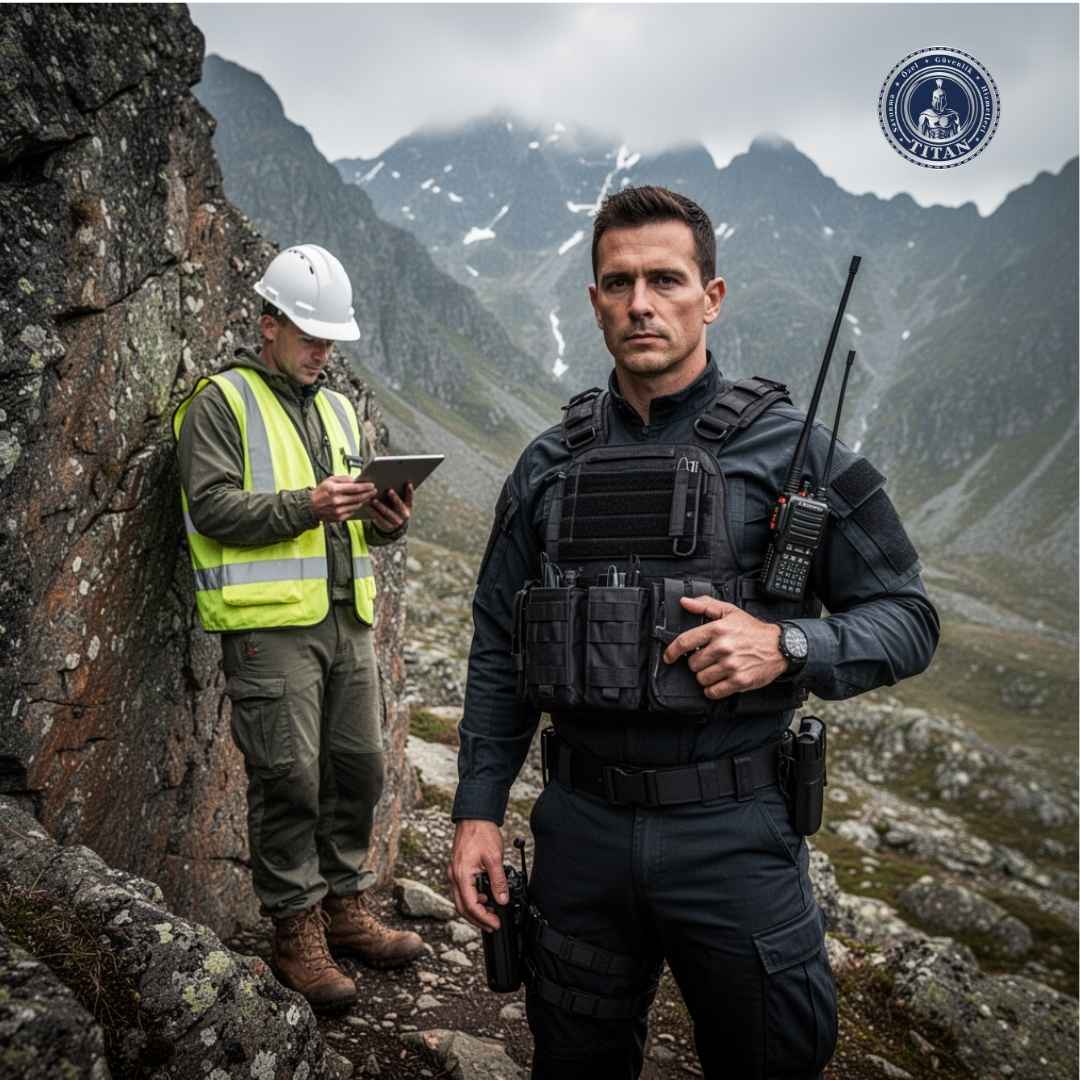
Underwater vehicles, autonomous patrols and advanced screening systems can make a port or marina security presentation look impressive. Buyers still need to establish whether these capabilities are included in the actual service, who operates them and under what authority. A technical ambition is different from an available operational capability.
This article complements a general guide to ISPS scope by focusing on proposal verification. First establish which maritime and customs requirements apply to your activities, then connect each commercial claim to that specific need.
Distinguish ISPS experience from authorisation
ISPS training, authorisation as a Recognised Security Organisation and appointment to a port facility security role are different statuses. Official ministry resources publish separate criteria and lists of authorised organisations.
The proposal should identify individuals' roles, document holders and the approved plan supporting the work. A supplier cannot guarantee a perfect inspection result or zero violations. Official assessment belongs to the competent authority; the supplier can provide evidence of performing its own assigned duties.
Ask for a defined technology deliverable
For each proposed system, establish its purpose, owner, operator, maintenance provider and limitations. Is it available equipment, a service to be hired or a development objective? The distinction affects cost and schedule. A presentation image does not establish operational availability.
Underwater inspection and waterside patrols require separate assessment of expertise, equipment and permissions. Competence for a landside guarding role does not automatically transfer to marine operations. Drone detection is also different from authority to interfere with communications or stop an aircraft; such requests require assessment with the competent authorities.
Define acceptance around the intended function
Agree what a successful result means before testing. This might include an alert arriving with the correct location, records being accessible to an authorised user and equipment faults being visible. Weather, water, visibility and connectivity limitations should remain explicit in the proposal.
Conduct trials under approved, safe conditions. A demonstration video does not establish identical performance everywhere. Explain which service continues during downtime and whether additional costs arise.
Separate record checks from customs procedures
Comparing vehicle, shipment and seal records may form part of the assignment. That comparison does not officially certify customs status or every item within a load. Define escalation to the port operator and relevant authorised team when information disagrees.
A weight difference or inconsistent record should not automatically be described as internal theft. Keep the approved correction process, reason and responsible person traceable. Unverifiable claims about covert teams or eliminating every loss are not useful selection criteria.
Make confidentiality and continuity contractual
Limit disclosure of information about yacht owners, crew and visitors. Establish coverage during shifts, maintenance and personnel changes. Ask for a document, sample record or controlled demonstration for each material claim, recording unsupported points as open assumptions. The strongest proposal is one that explains its authority, limitations and deliverables in verifiable terms, rather than one containing the longest list of technologies.