
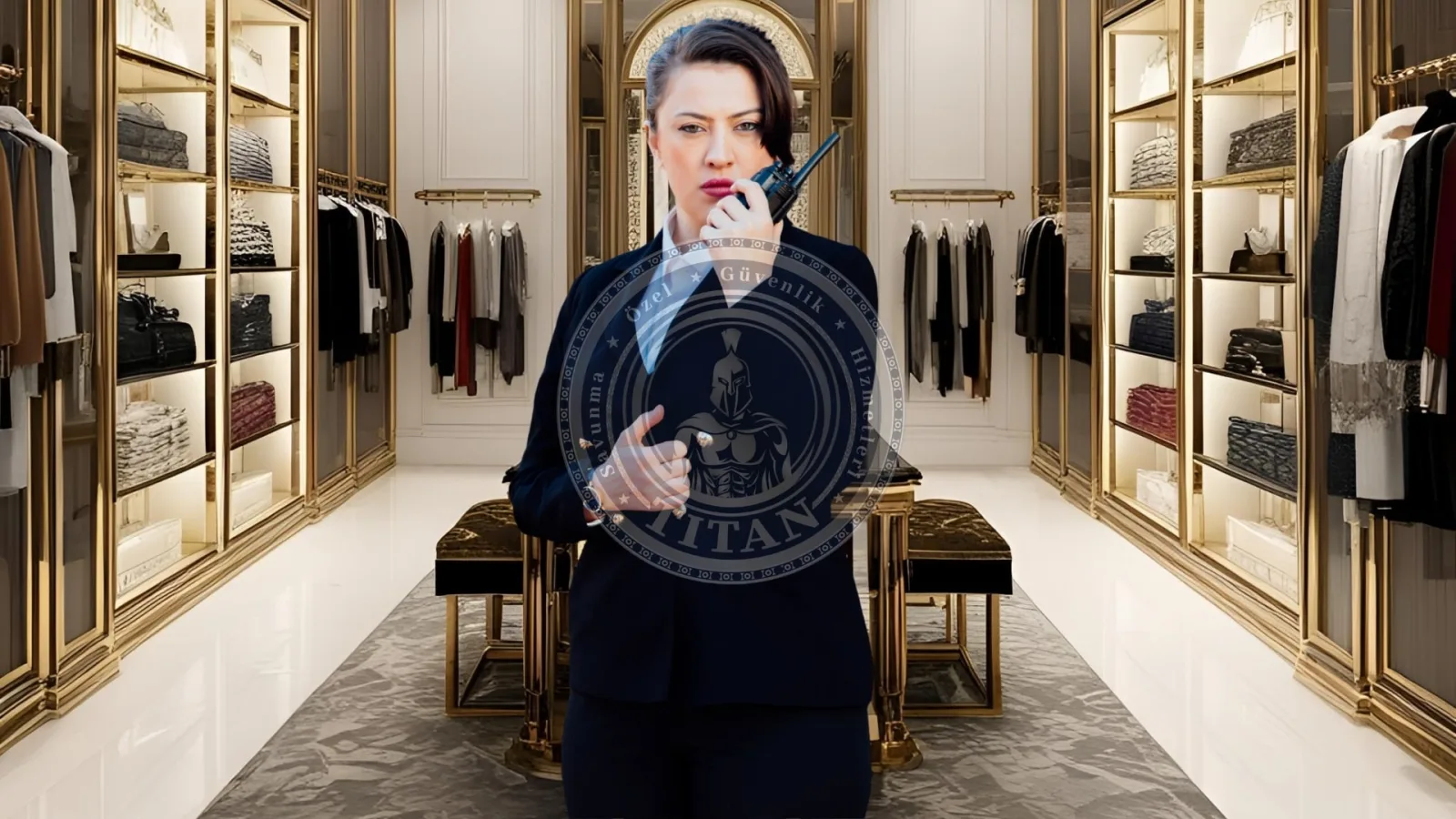
A private appointment for a celebrity or VIP client in a luxury store is as much a security operation as a customer experience. A good plan settles five things in advance: who is told about the visit, how the client arrives, how the client’s own protection team and the store team share roles, what the rules are on photos and social media, and how products and other customers stay safe during the visit. In a successful visit, security is felt but not seen.
This article is general information, not legal advice.
Why a separate plan is needed
A launch or pop-up is about managing crowds. A single VIP visit is the opposite: few people, high expectations of privacy, and often short notice. The risks differ too: news of the visit leaking and a crowd forming outside, unauthorised photos spreading, product control slipping while attention is elsewhere, and confusion over who does what between the client’s protection team and store security.
Retail security is under pressure in general. The US National Retail Federation’s 2023 National Retail Security Survey found that the average shrink rate increased to 1.6% in FY 2022, up from 1.4% in FY 2021, and highlighted the increased threat of violence associated with retail crime (NRF, National Retail Security Survey 2023). A visit where high-value items are out on the counter and every eye is on one person concentrates those risks.
Before the appointment: information and discretion
Security starts long before the client walks in. The most common leak is not malice but excitement: a staff member telling a friend, a message in the team chat, an unnecessary explanation to the car park attendant.
- Need-to-know only: only the store manager, the sales adviser and the security lead know who the client is; the rest of the team hears “private appointment”.
- Use a code: calendars, emails and messages carry an appointment code, not the client’s name.
- One channel: one person liaises with the client’s assistant or protection team, and any time changes are confirmed through that channel.
- Pre-visit details: number of people and vehicles, whether there is a protection team, products of interest and special requests.
- A discretion briefing: remind the team of privacy rules briefly and clearly before the visit.
Arrival and car park coordination
The most fragile moments are the few minutes between the car and the door. In a mall this needs prior agreement with mall management and mall security.
- Route: where does the car pull in, which entrance is used, can a service corridor or staff entrance be used?
- Timing: can the visit fall at the quietest hour of the mall or street?
- Vehicle holding: where does the car wait, and where can the driver stay?
- The door: will the store close for the visit, or is a private salon used? Whoever is at the door should explain “a short private appointment” politely.
- Departure: the exit route may differ from the entrance; think ahead about a crowd forming outside.
The retail security digital twin helps when planning entry points and blind spots across different layouts.
Sharing roles with the client’s protection team
Many VIP clients arrive with their own close protection team. The main risk is two teams that do not know each other or try to do the same job. One simple principle works: the protection team protects the person; the store team protects the premises.
- The store security lead holds a short call with the protection team leader beforehand; ideally the team sees the store in advance.
- Share emergency exits, back-of-house areas, camera coverage and the assembly point.
- The store team covers doors, displays, tills and product control; the protection team covers the client’s immediate space.
- Agree who decides in an incident and who calls the emergency number (112 in Turkey).
- Any uncertainty about the protection team’s equipment and the store’s rules is settled before the day, not on it.
If the client has no protection of their own and the risk profile calls for it, the store or brand can arrange VIP close protection.
Photos, social media and data protection
The problem that spreads fastest is an unauthorised photo. Turkey’s Personal Data Protection Authority (KVKK) defines personal data as any information relating to an identified or identifiable natural person (KVKK, Personal Data). The image of a recognisable client, and the fact of which store they visited, when and what they bought, should be handled with that in mind. In practice:
- Staff do not take photos on personal phones during the visit and do not post about it.
- If the brand wants to share content with the client, it happens only with the explicit approval of the client or their representative, and at a time they choose.
- Access to and sharing of CCTV footage follows the store’s existing data policies; footage is never passed around because “a celebrity came in”.
- Sales documents and client profiles are kept where only authorised people can reach them.
If you want to review your CCTV and personal data practices, take legal advice.
Other customers and loss prevention during the visit
When every eye is on the VIP, product security can slip. From a loss prevention point of view:
- Count and record the items prepared for the visit before and after.
- Show high-value items a few at a time, with a named person responsible for each.
- When the client arrives with a large entourage, keep the display area under one sales adviser’s control.
- If the store stays open, welcome other customers with the same care; the VIP visit must not weaken supervision elsewhere in the store.
- After the visit, hold a short debrief: what went well, what slipped, what changes next time?
- Include packing and delivery in the plan: decide in advance whether purchases go to the client’s car or address and who delivers them, and keep delivery details as confidential as the visit itself.
Short checklist
- Is the circle that knows the client’s identity small, and is an appointment code used?
- Have arrival, vehicle holding and departure been agreed with the mall or building management?
- Are roles and the emergency flow agreed with the protection team?
- Have staff been reminded of the photo and posting rule?
- Will products be counted before and after?
Where a professional security partner fits
Titan Savunma is an Ankara-based private security company operating under a Ministry of Interior licence issued under Law 5188, certified to ISO 9001, 14001, 45001, 22301 and 28000, working with international companies in English and Turkish. It plans stores in different provinces with a single point of contact, written scope and regular reporting, and coordinates VIP visits between the store team, mall management and the client’s protection team. See retail store security for details.


