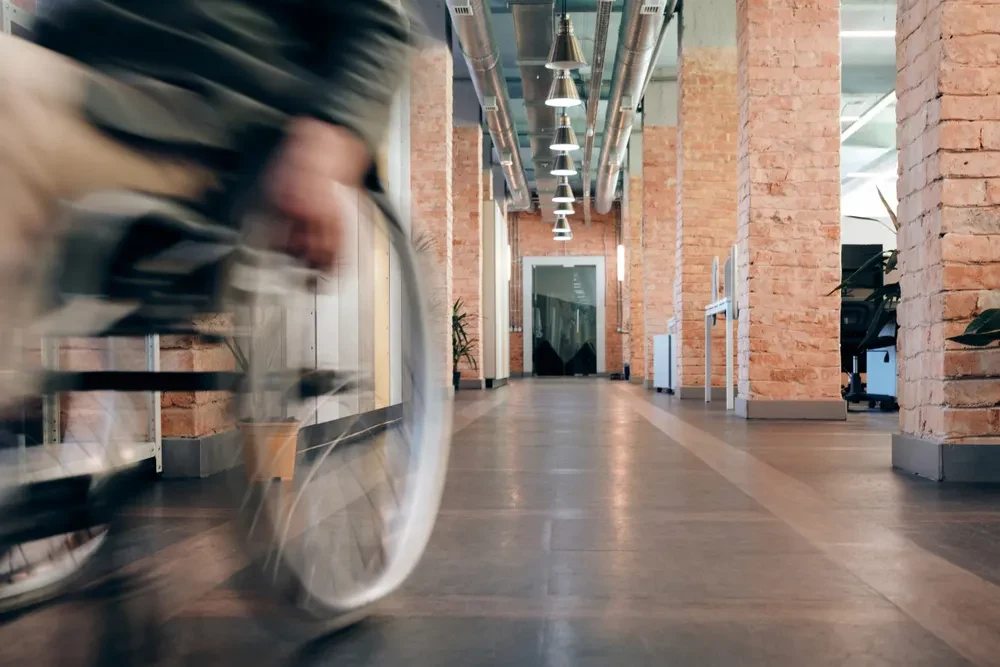
Sending an overseas delegation an address in English does not establish that the visit is accessible to everyone. Finding the entrance, communicating at reception and reaching the meeting room are connected experiences. A small gap in information can make it difficult for a visitor to reach their host.
Good preparation starts by respectfully asking what support would be useful, rather than guessing from a disability. Do not assume one delegation member speaks for every participant. Consider what information is needed and who should receive it.
What wayfinding research contributes
Prandi and colleagues' systematic mapping study examines accessible wayfinding and navigation technologies across users and environments. Published in its 2023 journal volume, it supports attention to varied needs rather than one universal solution; it does not certify a particular office as accessible. [1]
Article 9 of the UN Convention on the Rights of Persons with Disabilities addresses the physical environment alongside information and communication. [2] The visitor journey below is our practical adaptation of that broader framework.
Include more than an address in the invitation
The invitation can provide an understandable building name, approved arrival information and a way to reach the host. Offering a channel to discuss support before the visit can reduce the need to explain personal circumstances at a busy reception desk.
Visitors should be able to say what helps without being asked for unnecessary health details. Someone may prefer brief written directions to a long spoken explanation, or ask to meet the host at an agreed point. The team receiving the request should confirm what can be arranged and communicate it clearly.
Review the building as a visitor journey
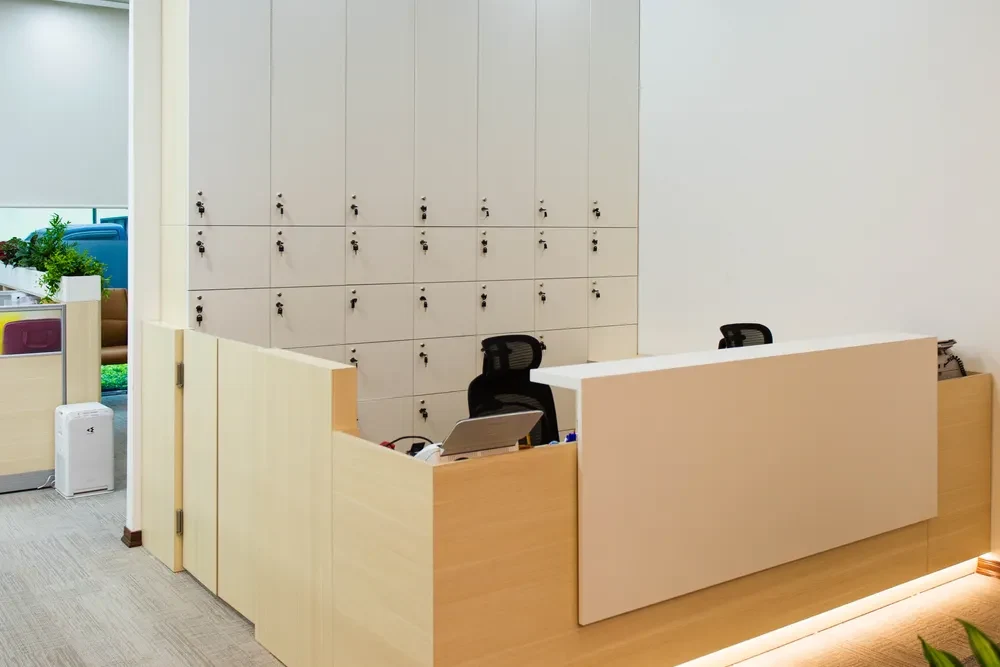
Consider three transitions together: reaching the correct entrance, connecting with the host at reception and reaching the meeting location. Resolving one point does not automatically remove an obstacle at the next. Arrival information may be correct while a room change is announced in a format that some participants cannot easily use.
Turkey's Ministry of Family and Social Services provides accessibility resources, including building guides. [3] Matters requiring physical alterations should be assessed by the relevant facilities specialists. Officers should not be expected to carry a person or improvise an engineering solution.
Offer help according to the visitor's preference
Address the person directly, ask how you can help and allow time for their answer. Where a companion is present, do not automatically direct all communication to the companion. Unclear information may need another format; repeating it more loudly is not a solution to every communication need.
Language support and accessibility support may also differ. An English-speaking visitor may prefer written information, while a Turkish-speaking visitor may need assistance with directions. Base the arrangement on expressed and confirmed requirements rather than assumptions about individuals.
For a delegation, this can mean giving the whole group consistent logistical information while discussing individual support discreetly. The objective is participation with dignity, not creating a public list of personal needs.
Assign responsibility for last-minute changes
If the room or meeting point changes, someone should own the visitor update. Check whether the revised arrangement still provides the support previously agreed. Where necessary, the host can establish an alternative.
After the visit, ask which directions were unclear or which transition required help, rather than relying only on a general satisfaction question. Security contributes respectful communication and approved wayfinding; specialist assessment of building accessibility remains with the appropriate owners.