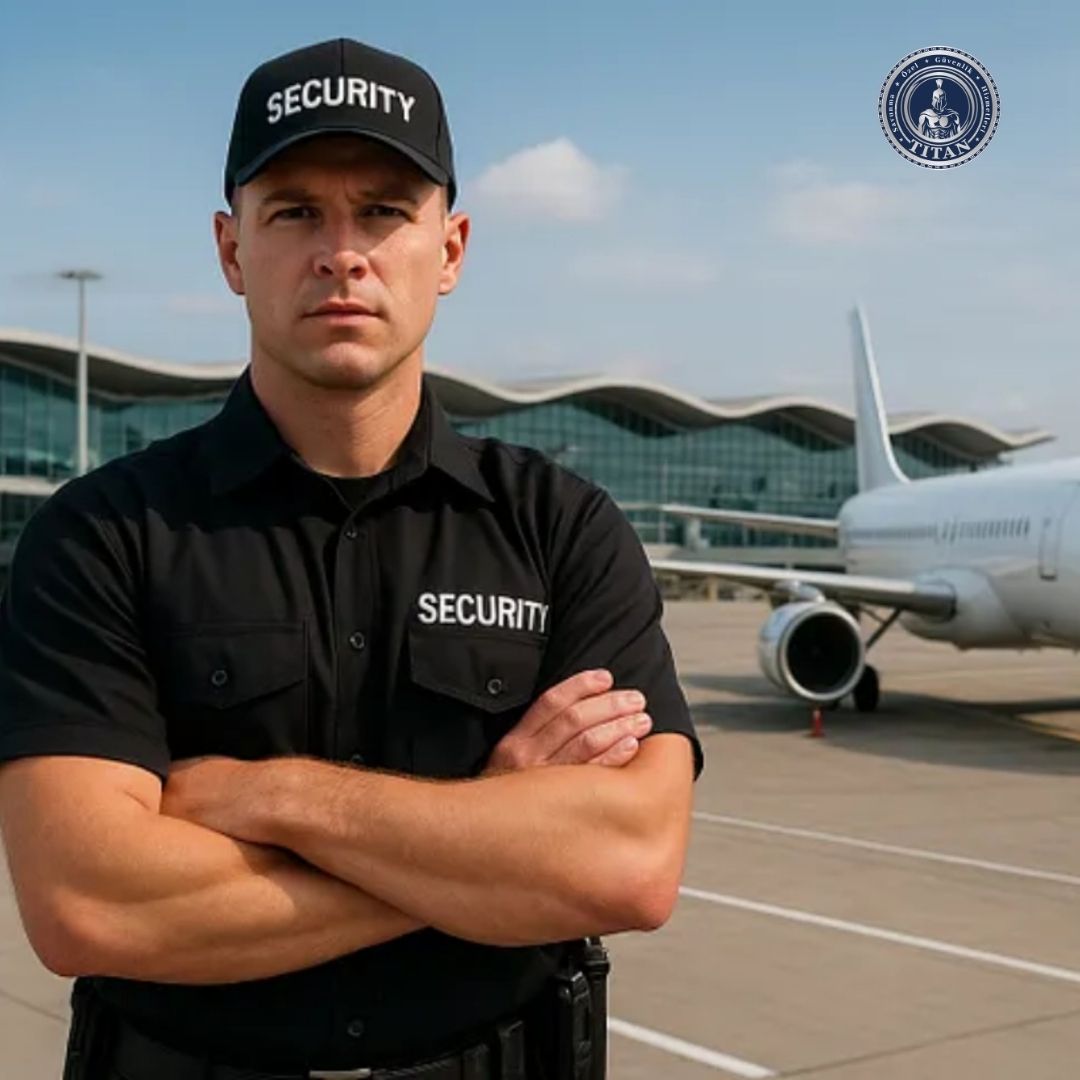
A passenger travelling by private jet usually expects an orderly schedule, discretion and a reliable reception. Yet the terminal, hangar, apron and aircraft are not a single area of authority. Accompanying a passenger as a close protection officer does not automatically authorise access to all these locations or work on an aircraft. Before discussing staffing, a buyer should establish which organisation will carry out each task, and where.
Aviation Security Has Its Own Authorisation Framework
ICAO's Annex 17 framework addresses protection of civil aviation against unlawful interference through national security programmes and the responsibilities of the organisations involved. It does not automatically confer international operating authority on a private security company. In Türkiye, the applicable conditions must be considered alongside SHGM rules and the procedures of the particular airport. ICAO overview of the Convention's annexes.
SHGM's current list of directives shows that training, access cards and ground handling are governed through separate instruments. A general private security credential therefore should not be assumed to satisfy every airport training and access requirement. Documents needed for the proposed assignment should be verified with the relevant operator before a quotation is finalised. SHGM directives in force.
Define Reception and Close Protection Tasks
A landside service plan may cover the reception point, authorised contact, vehicle waiting arrangements and notification of changes to the passenger's schedule. Passenger or baggage screening, aircraft technical checks and apron movements belong to the processes of the relevant authorised organisations. These different activities should not disappear into a vague contractual promise of “aircraft security”.
- Describe precisely where the service begins and ends.
- Verify the access conditions for personnel accompanying the passenger before the assignment.
- Designate a contact responsible for coordination with the airport operator, aircraft operator and ground handling provider.
- Agree who will approve revised information following a delay or terminal change.
Discretion Requires Limited Sharing of Travel Information
A passenger's name, travel time, vehicle information and meeting point may be necessary for service delivery. These details should be available only to those who need them for their duties. Uncontrolled circulation of guest lists in personal messaging groups, retention of openly accessible files after the assignment and unauthorised photography deserve attention during procurement.
A corporate travel coordinator can arrange for the current programme to come from one authorised source. This avoids leaving an officer to choose between conflicting verbal instructions. A change log should record the time and approval of a decision affecting the service, without unnecessarily describing the passenger's private affairs.
Assess the Proposal Through Authority and Coordination
Instead of general promises, ask a provider to identify the assignment scope, who will verify necessary permissions and how unexpected changes will be communicated. Access to the apron for a vehicle or officer should not be promised solely because a client requests it. Technical work and specialist aircraft procedures must remain with authorised aviation organisations.
You can discuss the landside visit and transport coordination scope of Titan Savunma's VIP close protection services. Airport-related duties require a separate assessment after the relevant permissions and operator conditions have been verified.