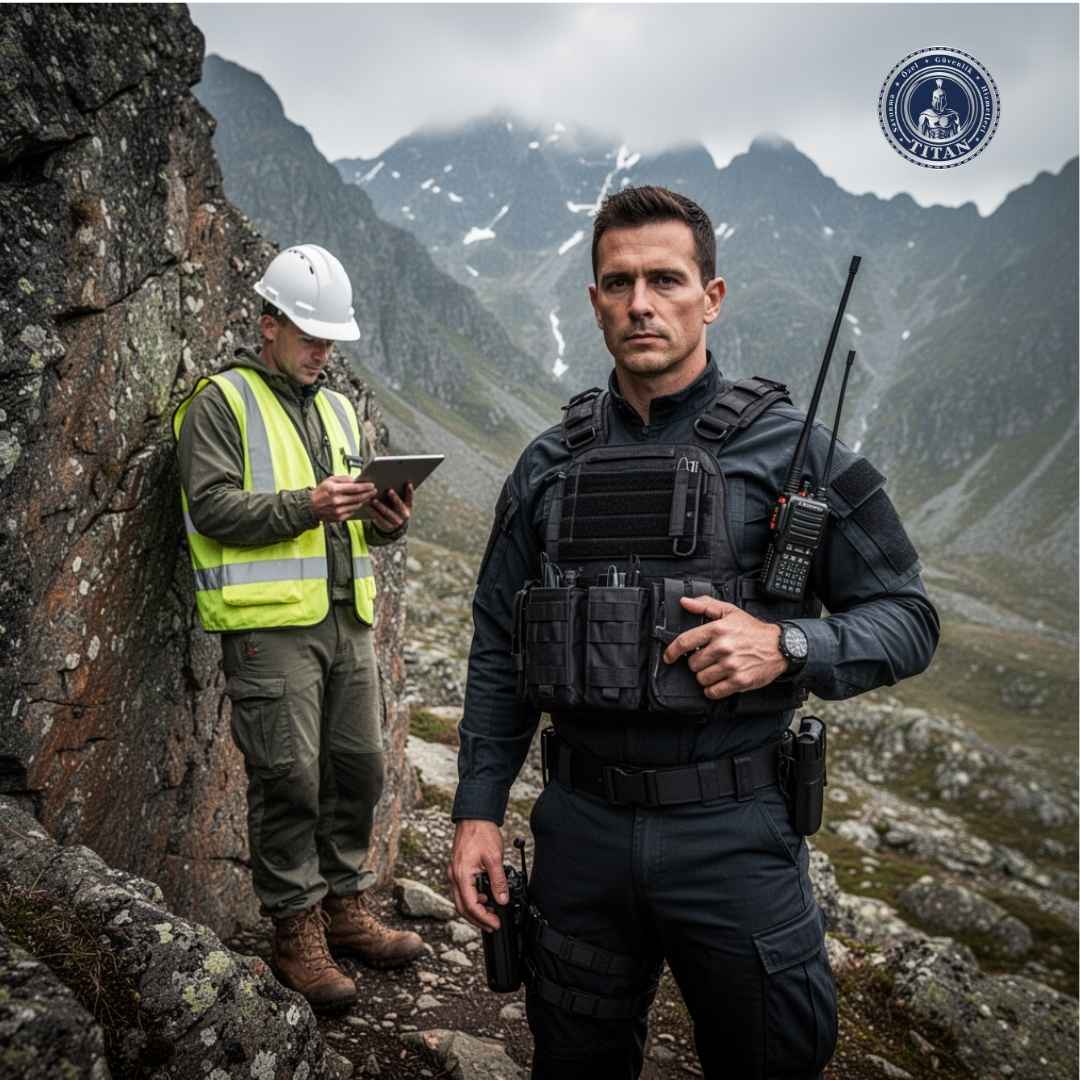
A construction security plan cannot remain fixed around the boundary drawn on the first day. Excavations, temporary stores, crane routes and entrances change as the project develops. The client needs a clear specification of how the service will record material movements, manage unauthorised access and report unusual conditions throughout those changes.
Private security does not prevent occupational accidents on its own. It cannot replace the technical arrangements required for construction, electrical work, lifting operations or occupational safety. Clear access controls and information flows can, however, support the teams responsible for those activities.
Separate entry approval from technical compliance checks
Contractor employees, visitors and delivery drivers may need different admission processes. A security officer can apply the current access list and instructions provided by authorised site management. The officer should not be treated as the person independently certifying fitness for work, professional competence or the legal completeness of social security declarations.
Identify who decides when an unlisted team arrives, who approves out-of-hours entry and where visitors need an escort. Assess the records genuinely required and the access restrictions on them instead of accumulating unnecessary copies of personal documents.
Verify authorisation for material removal
Similar equipment on a site may belong to different contractors. A removal should therefore link the relevant document to approval by an authorised person, rather than relying only on a driver's explanation or a familiar vehicle. The security movement log does not replace an inventory count or an investigation of ownership.
Assign responsibility for keys, fuel-area access and temporary stores. Handover should identify specific open gates, failed lights and outstanding delivery approvals. Site management should provide a clear owner for resolving those issues rather than leaving reports without follow-up.
Plan patrols around routes that remain safe
A route available last week may now be affected by excavation or lifting work. Keep patrol routes and exclusion areas current with site management. Security staff also require suitable lighting, communications, protection from weather and safe duty positions.
HSE's construction guidance considers the maintenance of boundaries and the interaction between vehicles and pedestrians. It is not Turkish law. A useful practical principle is that controlling a gate should not create a new pedestrian hazard on the pavement or inside the site. Additional duties such as directing vehicle movements need their own planning and appropriate competence.
Distinguish reporting a hazard from intervening technically
Officers may report observations such as a damaged fence, open door, smoke or unauthorised access. Repairing electrical equipment, entering an excavation, responding to a chemical release or making a medical judgement about intoxication are different activities. These situations require the appropriate technical or emergency organisation.
Procuring occupational health and safety services does not remove the employer's relevant responsibilities. A guarding contract should therefore not suggest that all duties under Turkey's occupational safety legislation have been transferred. The working arrangement should say who receives the report and who has the authority and competence to decide the next step.
Update the specification as construction progresses
Include the initial layout, working hours, closed periods and the method for approving changes in the proposal. During service reviews, examine unresolved physical defects, the outcome of unauthorised entry attempts and pending material approvals as well as incident numbers.
A patrol or camera does not amount to a guarantee of protection. Look for an arrangement that staff can implement safely and that stays aligned with the changing project, with clear responsibilities for both security and construction management.