Retail security cannot be assessed solely by the number of apprehensions or the change in stock discrepancies. How customers are treated after a false alarm, where staff turn when threatened and who can access CCTV footage also define service quality. These questions belong in the same operational plan when a retailer commissions security.
Do not automatically classify stock discrepancies as theft
An inventory mismatch can result from delivery, counting, returns, damage or recording errors. The security team should not be expected to explain every discrepancy. Agree which records store management, warehouse staff and financial control will compare. This helps prevent an unverified loss from becoming an accusation against an employee or customer.
A useful starting point is to follow a product through receipt, transfer to the shop floor, return and removal from the premises. Assign responsibility and exception approval at each stage. RFID and product alarms may contribute information, but they do not eliminate process errors or false alarms.
Agree how the first conversation after an alarm should work
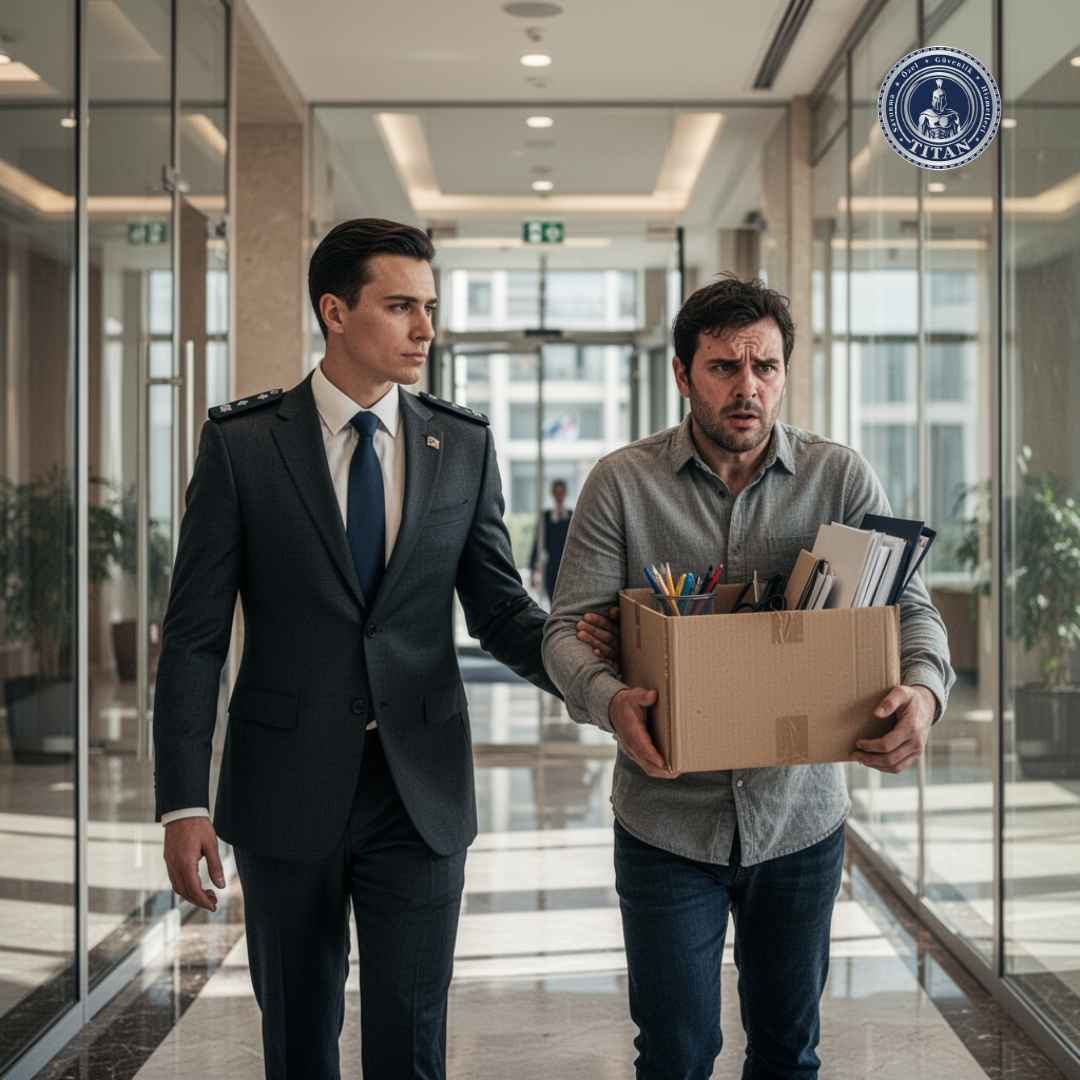
An exit alarm is not, by itself, proof of an offence. Rehearse neutral language, an explanation for the customer and the point at which staff should request a manager. During busy periods, the plan should also avoid creating a crowd or obstructing other customers.
A retailer's internal policy cannot create unlimited powers to search, detain or intervene. In Turkey, private security powers must be considered within the statutory conditions and authorised duty area. Recovering an item must not take priority over the safety of employees and customers.
Treat violence against staff as a separate workplace risk
HSE's retail guidance recognises work-related violence as including threats and verbal abuse as well as physical attacks. This UK guidance is not a source of Turkish law, but the distinction is useful when reviewing what shop workers experience.
Include requests for assistance, management notification, incident records and post-incident staff support in the operating plan. Discuss periods when an officer is temporarily assigned elsewhere and when the store is preparing to close. Employees should not be expected to pursue someone into danger or deal with a dangerous situation alone.
Use CCTV transparently and proportionately
Customer-friendly security does not mean concealed, unrestricted monitoring. The Turkish Personal Data Protection Authority's workplace CCTV guidance addresses necessity, proportionality, information for individuals, access restrictions and retention. Review camera coverage and purposes accordingly. Audio recording, facial recognition and other analytical features require their own assessment rather than being treated as a routine camera upgrade.
Sending incident footage to a personal phone or posting it on social media is not an ordinary reporting method. Define who evaluates requests for recordings and how any disclosure to authorised authorities is documented. Do not select a retention period simply because a recorder has enough storage capacity.
Assess the service through several indicators
During procurement, ask about more than staffing numbers. Request example procedures for false alarms, incident reporting, customer complaints, equipment faults and delivery exceptions. When interpreting a change in losses, also consider sales volume, product mix and changes to counting methods.
Agree a baseline and measurement method for your own store instead of relying on unexplained savings percentages attributed to another retailer. A well-specified service supports loss management while making the conduct of staff, treatment of customers and handling of information accountable.