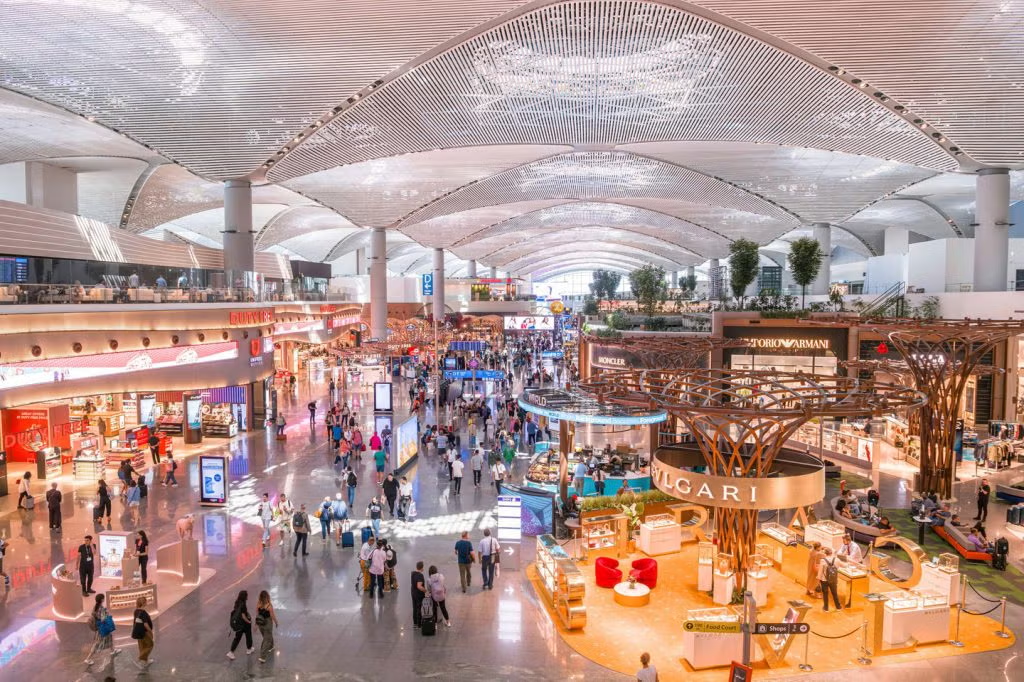
A shopping centre security plan needs to extend beyond the entrance checkpoint. Weekend shopping, cinema departures, food-court demand and a special event can create different movements at the same time. Management needs to consider where people gather, where they are heading and who will make decisions when assistance is needed, alongside the overall number of visitors.
This article provides a planning framework for shopping centre managers. Layout, capacity and emergency arrangements require assessment with the facility's competent technical teams; one staffing number or entrance arrangement cannot suit every centre.
Plan Entrance Controls Around Visitor Movement
The UK's Health and Safety Executive, HSE, considers arrival and entry, circulation within a venue, and departure and dispersal as distinct crowd-management stages. It highlights that security checks should not create dangerous crowding and that queues must not obstruct emergency access. This is practical guidance to inform a local assessment, not a substitute for Turkish law. HSE guidance on crowd controls.
For a shopping centre, entrance duties should therefore be considered alongside communication with visitors. Staff should explain checks clearly, with accessible assistance for someone travelling with a child, using mobility support or having difficulty finding their way. Appearance, clothing or group identity should not by themselves be treated as grounds for suspicion.
Include Changes to Shared Spaces in the Duty Plan
A temporary promotional stand, for example, can change how a normally spacious corridor operates. Instead of considering event staffing alone, management should review the stand's location, waiting visitors, shop entrances and routes used by cleaning equipment together. This illustrates a planning situation a centre may encounter; it does not describe a specific Titan project.
Notifying security about an event at the last minute can leave duty arrangements disconnected from daily operations. Centre management, store representatives, the event organiser and the technical team should work from the same current plan. They should also know whom to contact when the primary decision-maker is unavailable.
Connect Observation to Clear Decisions
HSE's monitoring guidance recommends considering how people are distributed and where local crowding occurs, alongside total attendance. This distinction helps a shopping centre avoid reducing daily assessment to its entrance count. Monitoring crowds.
- Record the location and timing of congestion without gathering unnecessary identifying information about individuals.
- Report observable issues such as waiting at entrances, requests for directions and obstructed circulation areas.
- Clarify who can change duty arrangements and which teams must receive the update.
- Include ongoing events, technical issues and unresolved reports in shift handovers.
Assist Visitors While Keeping Exits Safe
Centre management should establish communication and assistance procedures for situations such as a missing-child report or a medical concern. Security officers act within their authority, training and instructions. Obstructing emergency exits or indiscriminately preventing visitors from leaving is not an acceptable way to resolve an incident.
When reviewing the service, examine whether reports reached the appropriate person, whether visitors received consistent information and whether recurring congestion was addressed, rather than relying on incident numbers alone. To discuss duties around your centre's opening hours, shared spaces and event calendar, explore our Manned Security Services.