This article is general information, not legal advice.
Foreign managers in Turkey meet the same Turkish security words again and again: in the permit file from the governorship, in the provider's contract, in the night log and in the incident report that lands on their desk in the morning. This glossary gives about seventy of those terms with an English equivalent and a one-line explanation of what each actually means in practice. Legal terms are checked against the current text of Law No. 5188 on Private Security Services and its implementing regulation; article numbers are given only where we verified them.
A word of caution before the list: an English equivalent is a translation, not a legal definition. "Permit", "licence" and "work permit" are three different documents in Turkish private security law, issued by different authorities to different parties. When a term matters for a contract, keep the Turkish word next to the English one.
Permits, licences and authorities
| Turkish term | English | What it means |
|---|---|---|
| Özel güvenlik izni | Private security permit | Permission for a person or organisation to have private security, given by the governor on the commission's decision (Law 5188, Art. 3). Held by the protected organisation, not the provider. |
| Özel güvenlik komisyonu | Provincial private security commission | Body chaired by a deputy governor with police, gendarmerie and chamber representatives that decides on permits, the maximum number of personnel and weapons (Arts. 3–4). |
| Valilik / vali | Governorship / governor | The provincial administration; receives applications, notifications and staff lists, and issues ID cards. |
| Mülki idare amiri | Civil administrative authority | Governor or district governor (kaymakam); may inspect measures at permitted sites and order additional ones (Art. 6). |
| Faaliyet izni | Operating licence | Ministry of Interior licence a company needs to provide security to third parties (Art. 5). |
| Özel güvenlik şirketi | Private security company | Company set up under the Turkish Commercial Code that provides protection and security services to third parties. |
| Özel güvenlik birimi | In-house security unit | Security unit an organisation establishes within itself, also subject to permit. |
| Alarm izleme merkezi | Alarm monitoring centre | Requires a competence certificate from the governorship (Art. 5). |
| Mütekabiliyet | Reciprocity | Foreign persons founding, or foreign companies providing, private security in Turkey are subject to reciprocity (Art. 5). |
| Koruma ve güvenlik planı | Protection and security plan | Site plan the unit or company prepares within thirty days of service start and keeps ready for the governorship and inspections (Regulation, Art. 12). |
| Denetim | Inspection | Official inspection by the Ministry and governorships; deficiencies must be fixed within the time given (Art. 22). |
| Mali sorumluluk sigortası | Financial liability insurance | Compulsory insurance covering damage officers cause to third parties (Art. 21). |
Officers, powers and training
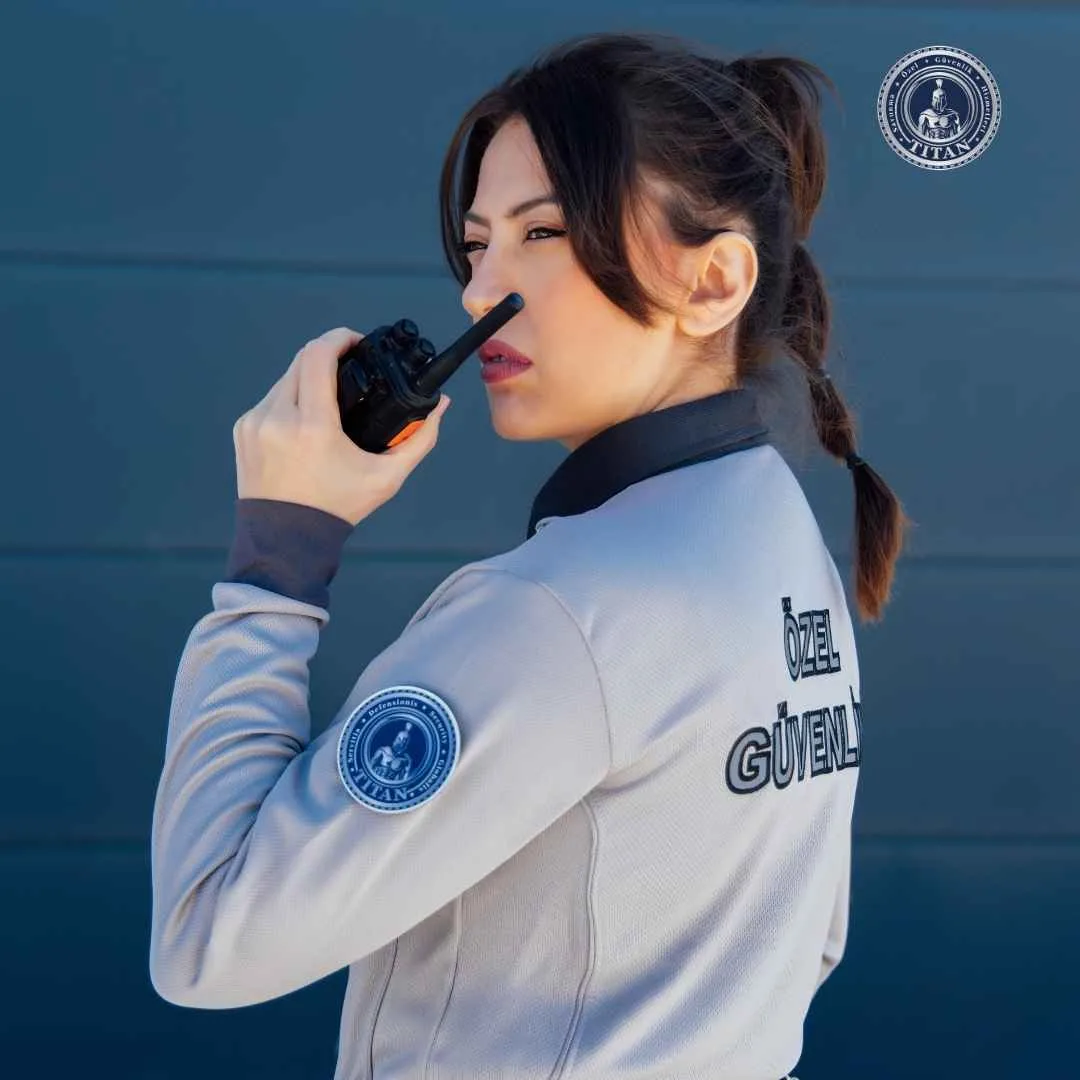
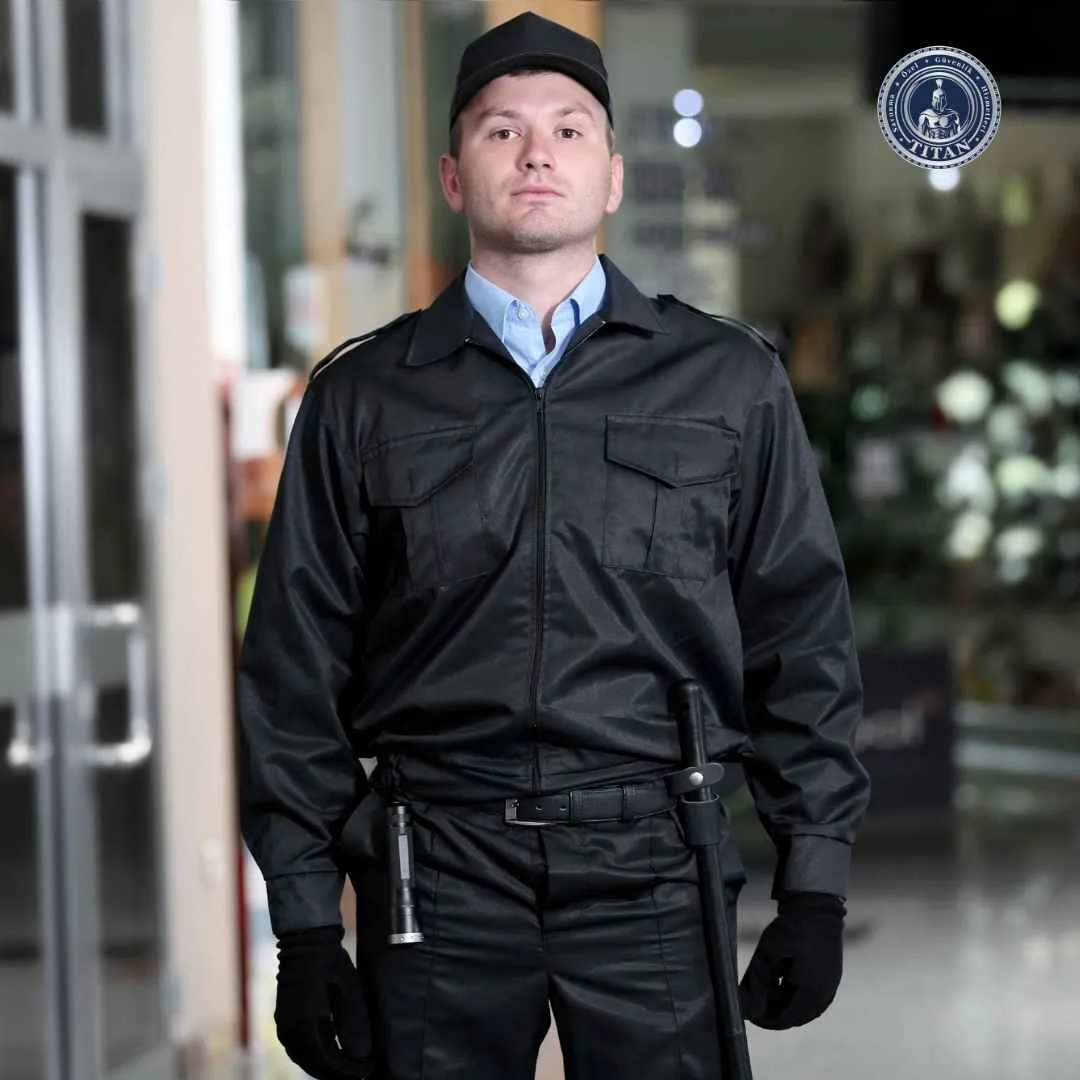
- Özel güvenlik görevlisi (ÖGG) — private security officer. A Turkish citizen meeting the conditions in Article 10 of Law 5188.
- Güvenlik sorumlusu — security supervisor. A designated responsible person required in in-house units, company branches and sites employing fifteen or more officers (Art. 5).
- Yönetici — manager. In a security company, the person with authority to command officers and decide on measures; holds a manager ID card.
- Çalışma izni — work permit. Granted by the governorship after a positive security investigation and completed basic training (Art. 11). Not the same as a foreigner's work permit.
- Güvenlik soruşturması ve arşiv araştırması — security investigation and archive check. Background vetting by the governorship, repeated on each ID issue.
- Kimlik kartı — ID card. Issued by the governorship, worn visibly on duty; without it the officer cannot use legal powers (Art. 12).
- Temel eğitim / yenileme eğitimi — basic training (no fewer than 120 lesson hours) and refresher training (no fewer than 60) (Art. 14). ID cards are renewed every five years with refresher training (Regulation, Art. 21). Note that a short academic paper on private security training in Turkey by Konak (TuranSAM, 2022) argues that the training does not cover risk analysis and risk management, so "certified officer" does not mean "risk assessor".
- Silahlı / silahsız — armed / unarmed. Stated on the ID card; armed officers are not permitted at education institutions, health facilities, games-of-chance venues and places serving alcohol (Art. 8).
- Görev alanı — area of duty. Officers' powers apply only on duty and within this area (Art. 9).
- Yetkiler — powers. The closed list in Article 7, such as screening through a walk-through detector, apprehension in defined cases and use of force within the general law.
- Duyarlı kapı — walk-through metal detector, literally "sensitive gate".
- Emanete alma — taking an item into safekeeping, with immediate report to the police where it is evidence or dangerous (Art. 7).
- Genel kolluk — general law enforcement, meaning the police (Emniyet) and the gendarmerie (Jandarma). Officers hand over apprehended persons and seized items to them.
- Üniforma / sivil kıyafet — uniform / plain clothes. Uniform is the rule; plain clothes need the commission's permission (Art. 13).
- Görev dışında çalıştırma yasağı — ban on non-security tasks. Officers may not be employed in work outside protection and security (Art. 16).
- Grev yasağı — strike ban. Private security personnel may not strike (Art. 17).
Contracts, employment and working time
- Asıl işveren / alt işveren — principal employer / subcontractor. Under Article 2 of the Labour Law No. 4857, the principal is jointly liable with the subcontractor for obligations toward the subcontractor's workers at that workplace.
- Muvazaa — sham arrangement. A subcontracting relationship found to be a sham makes the workers the principal's employees from the start (Art. 2).
- Hizmet alım sözleşmesi — service procurement contract.
- Teknik şartname — technical specification, the scope annex of a tender or contract.
- İşveren vekili — employer's representative, a manager acting for the employer.
- SGK (Sosyal Güvenlik Kurumu) — Social Security Institution. The employer notifies it of a work accident within three working days (Law No. 6331, Art. 14).
- Haftalık çalışma süresi — weekly working time, generally at most 45 hours (Labour Law, Art. 63).
- Denkleştirme — averaging. Hours may be distributed unevenly up to eleven a day, provided the average does not exceed the weekly limit (Art. 63).
- Fazla çalışma (fazla mesai) — overtime, work above 45 hours a week (Art. 41).
- Gece çalışması — night work. "Night" starts no later than 20:00, ends no earlier than 06:00 and lasts at most eleven hours. Night work is limited to seven and a half hours, but in private security it may exceed that with the worker's written consent (Art. 69).
- Vardiya / posta — shift. "Posta" is also used for a shift team.
- Puantaj — attendance sheet, the record of who worked which hours.
- İSG (iş sağlığı ve güvenliği) — occupational health and safety. "İş güvenliği" means workplace safety, not security.
- İş güvenliği uzmanı / işyeri hekimi — OHS specialist / workplace physician, both authorised by the labour ministry.
Daily operations and records
- Nöbet — watch or duty period; nöbet defteri is the post logbook.
- Nokta — post, a fixed position such as the main gate.
- Devriye — patrol; tur kontrol is the electronic guard-tour system that records checkpoints.
- Vardiya amiri — shift supervisor.
- Talimat — instruction; görev talimatı is the post order describing what an officer does at a post.
- Tutanak — formal record signed by those present; olay tutanağı is the incident report.
- Teslim tutanağı — handover record, for keys, items or a person handed to the police.
- Ziyaretçi defteri / ziyaretçi kartı — visitor log / visitor badge.
- Araç giriş kaydı — vehicle entry log.
- Buluntu eşya — found property; abandoned and found items may be taken into safekeeping (Art. 7).
- Kamera kaydı — CCTV recording.
- Rapor / aylık rapor — report / monthly service report to the client.
Personal data terms you will see
Visitor logs, badges and CCTV all involve personal data, governed by Law No. 6698. Our separate note on CCTV, visitor logs and guard records under KVKK covers practice.
- KVKK — the data protection law and, colloquially, the Personal Data Protection Authority.
- Veri sorumlusu — data controller, who determines purposes and means of processing (Art. 3).
- Veri işleyen — data processor, acting on the controller's authority (Art. 3).
- Açık rıza — explicit consent, specific, informed and freely given.
- Aydınlatma yükümlülüğü / aydınlatma metni — duty to inform / privacy notice (Art. 10), such as the sign at a camera-covered entrance.
- Veri Sorumluları Sicili (VERBİS) — registry of data controllers (Art. 16).
- Veri ihlali — data breach; the controller notifies the data subject and the Board as soon as possible (Art. 12).
Emergency terms
- 112 — the single emergency call number for ambulance, fire and police.
- AFAD — Disaster and Emergency Management Presidency, under the Ministry of Interior.
- Toplanma alanı — assembly area, designated for gathering after an earthquake or evacuation.
- Tahliye — evacuation (Law No. 6331, Art. 12).
- Acil durum planı — emergency plan the employer prepares (Law No. 6331, Art. 11).
- Destek elemanı — support person, an employee specially assigned and trained for prevention, evacuation, firefighting or first aid (Art. 3).
- Ciddi ve yakın tehlike — serious and imminent danger; workers facing it have a right to refrain from work (Art. 13).
- İlk yardım — first aid.
- Tabii afet hallerinde yardım — duty of officers to assist in fires and natural disasters in their area (Regulation, Art. 15).
Translation traps
- "Güvenlik" covers both safety and security. "İş güvenliği" is occupational safety; "özel güvenlik" is private security.
- "İzin" can mean permit, licence or leave. "Yıllık izin" is annual holiday, which is a staffing question, not a permit one.
- "Sorumlu" is not always "accountable". In a contract it may mean the person in charge or the party liable; check the context.
- "Kolluk" is law enforcement in general, not only the police.
About Titan Savunma
Titan Savunma is an Ankara-based private security company licensed by the Ministry of Interior under Law No. 5188 and certified to ISO 9001, 14001, 45001, 22301 and 28000. We work with international companies in English and Turkish, so contracts, reports and instructions can be read in both languages. You can read more about our manned guarding services or our work as a private security company in Turkey.
Sources and Further Reading
- Konak, O. — Özel Güvenlik Eğitiminde Risk ve Risk Yönetimi, TuranSAM 14(53) (2022)
- T.C. Mevzuat Bilgi Sistemi — 5188 sayılı Özel Güvenlik Hizmetlerine Dair Kanun (güncel metin)
- T.C. Mevzuat Bilgi Sistemi — Özel Güvenlik Hizmetlerine Dair Kanunun Uygulanmasına İlişkin Yönetmelik (güncel metin)
- T.C. Mevzuat Bilgi Sistemi — 4857 sayılı İş Kanunu
- T.C. Mevzuat Bilgi Sistemi — 6331 sayılı İş Sağlığı ve Güvenliği Kanunu
- T.C. Mevzuat Bilgi Sistemi — 6698 sayılı Kişisel Verilerin Korunması Kanunu
- T.C. İçişleri Bakanlığı Afet ve Acil Durum Yönetimi Başkanlığı (AFAD) — resmi site