A hospital or clinic that treats patients from abroad cannot build its security plan around the front door and a few cameras. International patients arrive with interpreters, companions, representatives of facilitator companies and sometimes their own protection team. They may carry cash and valuables, ask for their identity to stay confidential, and move frequently between the airport, a hotel and the hospital. This article explains, at planning level, how health tourism providers in Turkey can reflect these differences in their security arrangements.
The short answer: the plan should be consistent with the Ministry of Health's international health tourism regulation, the Patient Rights Regulation and Turkey's data protection law (Law No. 6698, known as KVKK). In practice, most of the work is knowing who is entering which area and why, putting clear rules around companions and interpreters, and protecting health information even at the reception desk.
This article is general information, not legal advice.
The legal framework in plain words
The main rulebook today is the Regulation on International Health Tourism and Tourist Health, published in the Official Gazette (Resmî Gazete) No. 32882 on 26 April 2025. It replaced the earlier 2017 regulation. Points that matter for security planning:
- Health facilities and facilitator companies (aracı kuruluş) need an authorisation certificate (yetki belgesi) to work in international health tourism (Art. 5).
- Each authorised facility sets up an international health tourism unit whose tasks include interpreting and coordination with facilitators; the unit must include a staff member with documented foreign-language skills (Art. 7).
- Facilitator companies must deliver accommodation, transport and transfers through licensed travel agencies, unless the facilitator is itself one (Art. 6).
- Personal health data must be processed in line with Law No. 6698 and additional Article 19 of Law No. 3359 on health services (Art. 8).
Separately, Turkey's Patient Rights Regulation requires every health institution to take the measures needed to protect the life and property of patients and of relatives such as visitors and companions (Art. 37). Visits follow the institution's own rules (Art. 39), and a companion (refakatçi) may stay where the treating physician considers it appropriate (Art. 40). Finally, Article 8 of the Private Security Services Law No. 5188 does not allow armed private security officers in health facilities. Hospital security in Turkey is therefore built on unarmed officers, well-designed access control and coordination with the police.
Interpreters, companions and facilitator staff
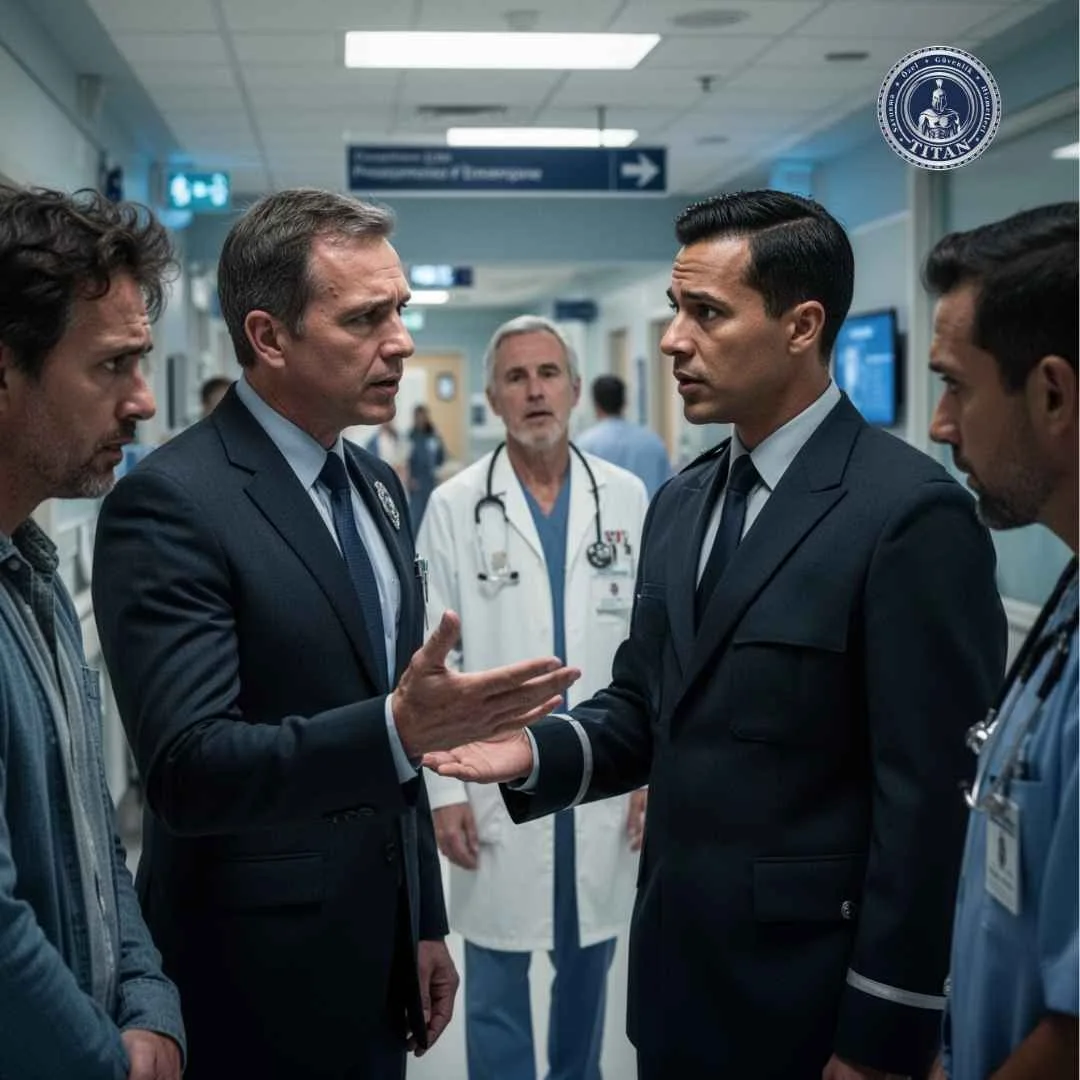
The most common weakness on an international patient floor is uncertainty about who is who. Someone arrives as an interpreter and behaves like a companion the next day; another person says they are "from the agency". That ambiguity invites both theft and privacy breaches.
- Role-based passes: use visibly different passes for staff, interpreters (employed or contracted), facilitator representatives, companions and visitors, showing the date and the permitted floor.
- Advance lists: the health tourism unit shares expected arrivals with the security supervisor, limited to what security needs: name, role, arrival date and permitted areas.
- Interpreters are not security staff: they help communication; door control, handing over belongings or keeping logs should not be delegated to them.
- Companion changes: a new or additional companion is registered through the ward supervisor and gets a new pass.
VIP and high-profile patients
For foreign patients who are public figures, executives or members of prominent families, the main risk is often information leakage rather than physical attack: a photo posted online, or a room number given to a caller. Planning measures that help:
- No patient names on public screens, paging systems or door labels, while the medical record of course stays under the correct identity.
- One designated unit answers all phone or front-desk enquiries about a patient.
- If the patient brings a private protection team, agree in writing where the team waits, which areas it does not enter and how it communicates with the hospital's security. Make clear from the outset that weapons are not permitted in health facilities and that private security powers in Turkey can only be used by officers licensed under Law No. 5188.
- For officially protected persons, plan jointly with the relevant police unit.
Hospitals that host such patients regularly often treat these steps as a standard "VIP protocol" that the health tourism unit can activate with one call, rather than improvising each time.
Privacy and KVKK: health data is a special category
Article 6 of Law No. 6698 classifies health data as special category personal data. Article 12 requires the data controller to take technical and organisational security measures and makes it jointly responsible where another party processes data on its behalf. A security contractor that keeps visitor logs or monitors cameras should therefore have its data role spelled out in the contract. The Personal Data Protection Board's decision No. 2018/10 of 31 January 2018 also asks for physical security of places holding special category data, prevention of unauthorised entry and exit, regular staff training, and clearly defined scope and duration of access rights.
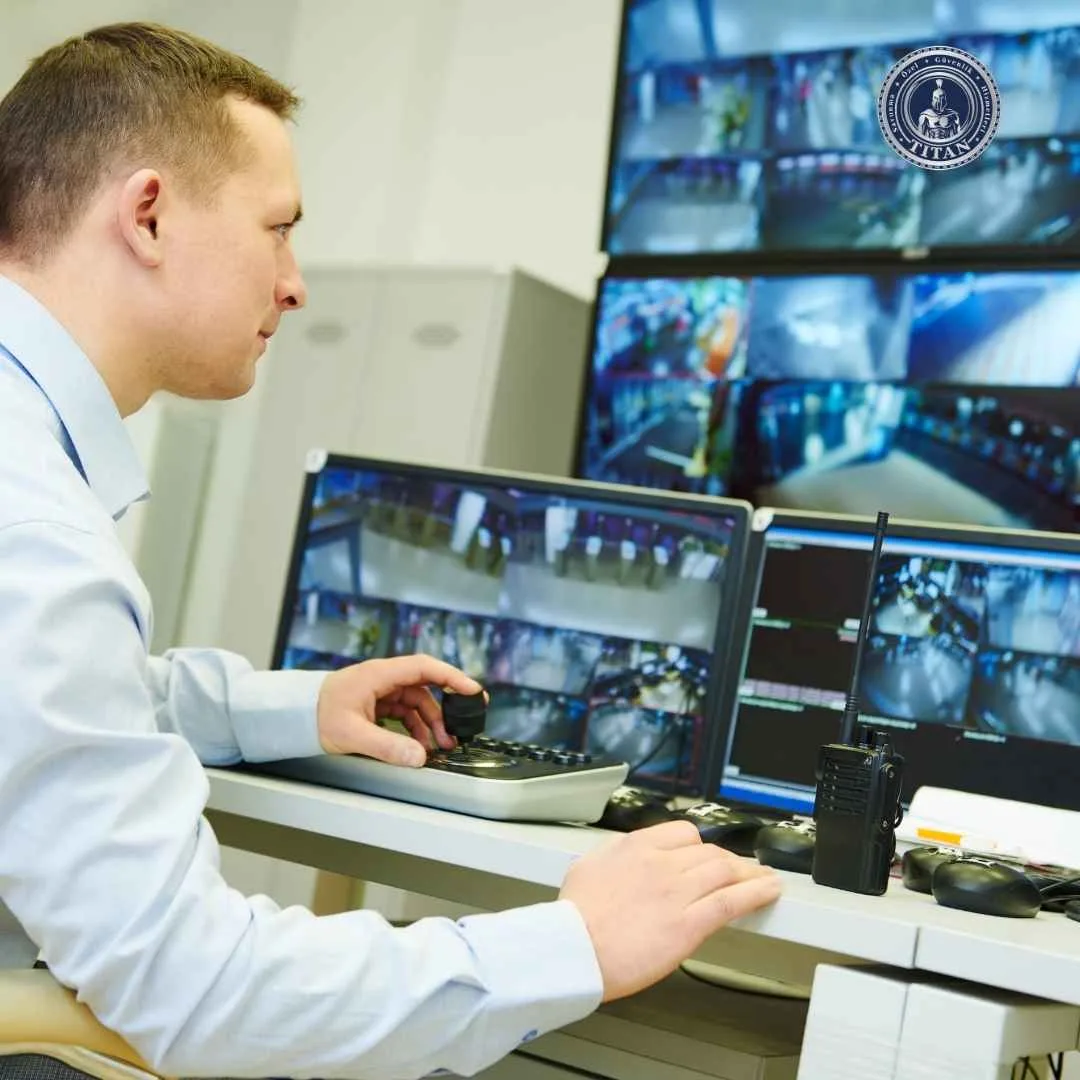
On site this means: no diagnosis or treatment details in visitor logs; cameras do not cover examination or treatment areas; a named list of who may access recordings; and officers trained never to discuss patient information with third parties, including other patients' relatives.
Visitor control, cash and valuables
International patients sometimes bring cash for payments, jewellery or expensive electronics, and large family visits make it easier for items to go missing.
| Topic | Planning suggestion |
|---|---|
| Visiting hours | Written institutional rules; exceptions on the international floor approved by the ward supervisor. |
| Safekeeping | Valuables handed in at the patient's request go into the facility safe with a signed record, closed on return. |
| Found property | Article 7 of Law No. 5188 lets private security officers take abandoned and found items into safekeeping; keep a numbered log. |
| Payments | Payment desks away from public view; escort to the cashier when needed. |
Transfers and movements outside the facility
Because the regulation routes facilitator-arranged transfers and accommodation through licensed travel agencies, the security chain passes through several organisations. Share information on a need-to-know basis, have the agency send vehicle and driver details to the hospital in advance, and define a hand-over point at the entrance. Keep the same discipline for follow-up visits after discharge.
Checklist and common mistakes
- Is there a written information flow between the health tourism unit and the security supervisor?
- Do interpreters, companions and facilitator staff have distinct passes and defined areas?
- Is there a name-masking and single-point enquiry rule for VIP patients?
- Is the security contractor's data processing role defined in the contract?
- Are safekeeping and found-property records signed and numbered?
- Can officers use basic phrases in English and in the patients' main languages, or do they depend entirely on interpreters?
Common mistakes: companion passes not collected at discharge, interpreters left unregistered in patient rooms, vague verbal instructions to private protection teams, and room numbers spoken aloud at reception.
For related services see our healthcare security and VIP close protection pages.
Titan Savunma is an Ankara-based private security company licensed by the Ministry of Interior under Law No. 5188, holding ISO 9001, 14001, 45001, 22301 and 28000 certificates. We work with international organisations in English and Turkish and plan services for sites in different provinces of Turkey with a single point of contact, written scope and regular reporting. Learn more on our private security in Turkey page.
Sources and Further Reading
- Uluslararası Sağlık Turizmi ve Turistin Sağlığı Hakkında Yönetmelik (RG 26.04.2025, 32882), Resmî Gazete
- Hasta Hakları Yönetmeliği, Mevzuat Bilgi Sistemi
- 6698 sayılı Kişisel Verilerin Korunması Kanunu, Mevzuat Bilgi Sistemi
- KVK Kurulu 2018/10 sayılı Karar, Kişisel Verileri Koruma Kurumu
- 5188 sayılı Özel Güvenlik Hizmetlerine Dair Kanun, Mevzuat Bilgi Sistemi