Hospital security is, above all, about preventing violence against staff and patients, with theft, infant abduction and unauthorised access managed within the same plan. Research shows that a large share of healthcare workers face violence every year and that the risk concentrates in emergency departments and psychiatric units. Effective healthcare security is not a single measure but a layered system built on risk assessment, controlled access, trained people, fast response and honest record-keeping.
This article is general information, not legal advice.
The risk profile of healthcare facilities: what the research shows
The strongest evidence comes from meta-analyses. A 2019 systematic review by Liu and colleagues in Occupational and Environmental Medicine pooled 253 studies with 331,544 participants. Of these, 61.9% reported exposure to any form of workplace violence in the past year, 42.5% to non-physical violence and 24.4% to physical violence. Verbal abuse was the most common non-physical form (57.6%), followed by threats (33.2%) and sexual harassment (12.4%). The authors found prevalence especially high in Asian and North American countries, in psychiatric and emergency settings, and among nurses and physicians. Heterogeneity between studies was very large, so these figures vary considerably by country and facility.
Focusing on physical assaults, a 2020 meta-analysis by Li and colleagues covered 65 studies and 61,800 health professionals in 30 countries and estimated the pooled one-year prevalence of physical violence by patients and visitors at 19.33%. Nurses were affected significantly more than physicians (22.99% versus 14.66%). Nursing homes (an estimate based on only two studies) and tertiary hospitals showed the highest rates, primary care the lowest, which is a practical argument for tailoring security to the type of facility.
For organisations operating in Türkiye, national data point the same way. A national study by Pinar and colleagues in the Journal of Interpersonal Violence surveyed 12,944 healthcare workers: 44.7% had experienced workplace violence in the previous 12 months, 43.2% reported verbal and 6.8% physical violence. Level of care, type of institution, occupation, age, working hours and shift work were independent risk factors.
Recorded figures understate reality. In a 2015 study by Arnetz and colleagues in a single US hospital system, 88% of employees who reported a violent event in a survey had not logged it in the electronic reporting system; those who were injured or lost work time were more likely to report formally. The response rate was low and the setting a single system, but the warning is clear: the incident count management sees may sit well below the real risk.
Two further risks deserve mention. The first is infant abduction. Data from the US National Center for Missing & Exploited Children (NCMEC) record 345 confirmed abductions from 1964 to January 2025, of which 140 were from healthcare facilities, 59% of those from the mother's room. Among the 92 healthcare-facility cases where the abductor's impersonation was known, 66 (71.7%) involved posing as a nurse or other healthcare worker. NCMEC states that this is not a scientific research study, yet it shows clearly why identity checks matter in maternity and neonatal units. The second is theft of drugs, equipment and personal property, which we cover in separate articles.
Layered hospital security recommendations
The US Occupational Safety and Health Administration's guidelines for preventing workplace violence in healthcare and social services (OSHA 3148, 2016) set out five building blocks: management commitment and employee participation, worksite analysis, hazard prevention and control, safety and health training, and recordkeeping and programme evaluation. The layers below follow that framework and the evidence summarised in this article.
1. Perimeter and grounds
- Good lighting and clear sightlines for car parks, ambulance bays and staff routes; OSHA lists better or additional lighting among engineering controls.
- Keep the ambulance entrance for ambulances and emergency arrivals, and route visitors to a separate door.
- Lock unused doors at night and alarm fire exits without obstructing escape.
2. Entry and access control
- Zone the hospital: public areas, controlled clinical areas and restricted areas (pharmacy, neonatal unit, intensive care, theatres, server rooms).
- In maternity and neonatal units, register visitors, check staff ID and run a mother-infant matching procedure. The impersonation pattern in the NCMEC data shows that a uniform or white coat alone proves nothing.
- OSHA lists physical barriers, door locks and metal detectors as engineering controls; the choice should follow the worksite analysis.
3. Inside: the emergency department and high-risk units
- Prioritise the ED waiting area, triage and psychiatric unit in risk assessment, since the meta-analyses show risk concentrating there.
- Panic buttons and escape routes: OSHA includes panic buttons and more accessible exits among recommended controls. Room layouts should never trap a clinician away from the door.
- Waiting times and information: long, uncertain waits are a common trigger of tension, and a named person who keeps waiting patients informed also eases the load on security officers.
4. People and training
- Provide de-escalation training, but do not expect miracles from it alone. A 2019 RAND Europe rapid evidence assessment for the NHS concluded that de-escalation training may not by itself reduce the number of violent incidents, while it does improve staff knowledge and confidence in identifying and handling aggressive patients.
- Run joint drills for security officers and ED staff, and agree in writing who intervenes when and what role security plays in clinical restraint.
- Short-term risk assessment: in the 2020 Cochrane review by Spelten and colleagues, regular short-term risk assessment of patients on psychiatric wards was associated with less aggression than usual practice; the certainty was very low, so treat it as a starting point rather than proof.
5. Technology
- Design CCTV around patient privacy, excluding examination, treatment and changing areas. OSHA notes that closed-circuit video may be appropriate in hospitals and other institutional settings.
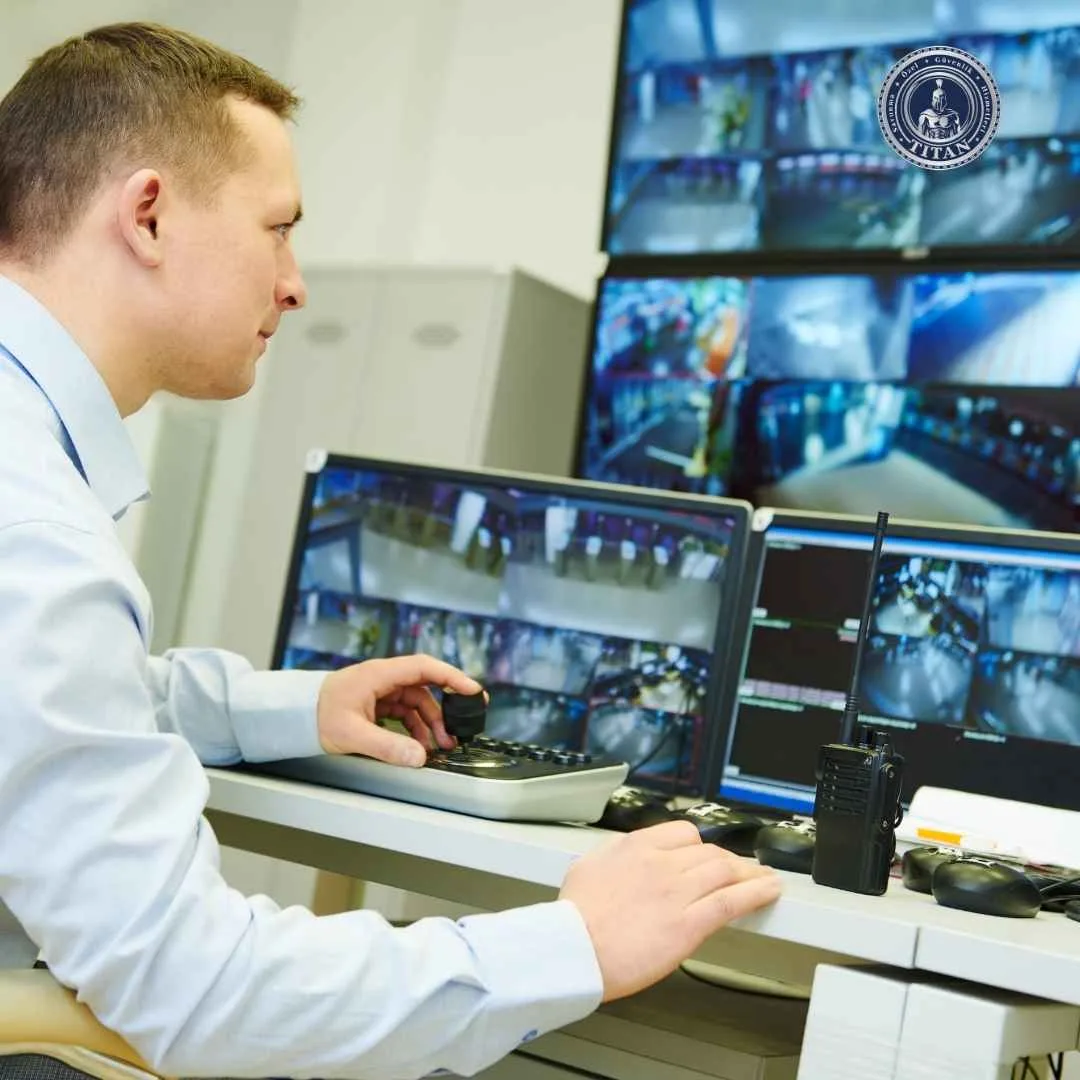
- Bring access logs, alarms and video into one monitoring point, and log who receives each alarm and how quickly it is answered.
- Technology supports a programme rather than replacing it: the 2021 ED review by Wirth and colleagues describes a multicomponent programme including video surveillance and signage that was followed by fewer self-reported violent acts, but in such combined programmes the effect of any single measure cannot be isolated. That programme ran in a single ophthalmic emergency department in France.
6. Process and records
- Create a simple, quick and retaliation-free reporting channel, and record verbal abuse as well as assaults.
- Review every incident briefly and tell staff what was done; the Cochrane review found that none of the interventions it examined addressed the post-event stage, so this is usually the weakest link.
- Carry out an annual risk assessment and unit walk-throughs; worksite analysis is the second building block of the OSHA framework.
What does the research say about interventions?
The honest answer is that the size of the problem is well measured while the effect of solutions is not. The Cochrane review found only seven studies and rated the evidence low or very low; a multicomponent ED intervention showed no effect. Most of the 15 ED studies reviewed by Wirth and colleagues reported positive results, but only two were rated high quality, and the authors stress that environmental and organisational interventions have rarely been studied. This does not mean security measures fail; it means we do not yet know precisely how much each one helps, which makes it all the more important for hospitals to collect their own data and measure what they implement.
On security capacity, a 2013 survey of emergency department directors in Washington State by Weyand and colleagues found that 88% of 78 responding departments had witnessed or heard of threats or violent acts, 28% had no assigned security personnel, and in around 45% of responding departments the staff consensus was that security was inadequate. The authors recommend full-time dedicated security for EDs, or at least hospital security that can be activated quickly. The findings come from one US state and rely on self-report, so they should not be generalised, but they frame the right question: when the alarm sounds, who arrives and how fast?
Expert view: Titan Savunma's field recommendations
The points below are our corporate view, based on field experience in healthcare facilities and the evidence above:
- Treat the emergency department as a project of its own. Give the waiting room, triage and ambulance entrance their own post orders, drills and incident analysis.
- Make security officers part of the clinical team. A short start-of-shift briefing should share information on high-risk patients and visitors within privacy limits.
- Take verbal abuse seriously. Threats and insults are early warning signs of physical incidents, and an unrecorded incident cannot be analysed.
- Tie maternity identity checks to systems, not people. A uniform, coat or familiar face is not enough; badges, logs and matching procedures must work every time.
- Measure response time. Test how long it takes the first officer to arrive after a panic alarm; a target that is never measured never improves.
- Do not treat training as a one-off event. Deliver scenario-based, repeated de-escalation training to security and clinical staff together, as part of a wider programme.
- Plan the aftermath. Staff who are assaulted need support, information on the legal process and feedback on the outcome of the incident review.
To scope your needs, see our healthcare security service and start with our free security risk assessment tool.
What to measure (KPIs)
| Indicator | What it measures | Note |
|---|---|---|
| Incident count and rate by unit | Verbal, threat, physical and sexual harassment incidents by department | Normalise by patient attendances or staff numbers |
| Reporting rate | Gap between incidents reported in staff surveys and those logged in the system | Arnetz and colleagues show this gap can be large |
| Response time | Time from alarm or call to first officer on scene | Verify with unannounced tests |
| Injuries and lost workdays | Violence-related injuries and days lost | Track alongside occupational health records |
| Training coverage | Share of staff who completed de-escalation training and drills | Report security and clinical staff separately |
| Access control audit findings | Unauthorised entry to restricted areas, propped doors, staff without ID | Especially neonatal, pharmacy and theatres |
| Corrective action closure time | How quickly actions from incident reviews are implemented | Close the loop with staff feedback |
Common mistakes
- Reducing security to an officer at the front door and ignoring tension inside the ED.
- Treating the recorded incident count as the real risk and never measuring under-reporting.
- Presenting de-escalation training as a stand-alone fix, when the evidence suggests it works best inside a comprehensive programme.
- Adding cameras without defining monitoring, retention and privacy rules.
- Ignoring impersonation risk in neonatal units.
- Installing panic buttons and never testing the response.
- Leaving the post-incident stage (support, review, feedback) out of the plan.
Implementation note for Türkiye
In Türkiye, private security in private hospitals and public healthcare facilities operates under Law No. 5188 on Private Security Services, either as an in-house unit or through a licensed private security company, with permission granted by the provincial private security commission; officers' powers are limited to those set out in the Law and its implementing regulation. CCTV footage is personal data and health data is a special category of personal data under the Personal Data Protection Law No. 6698 (KVKK), which should shape camera coverage and retention. Violence is also an occupational health and safety hazard and belongs in the risk assessment required under Law No. 6331.
According to press coverage of the Ministry of Health's 2012 staff safety circular, the circular introduced the "White Code" (Beyaz Kod) procedure, a 24/7 hotline on 113, a duty on managers to report incidents immediately, and additional security staff where necessary in high-risk waiting areas. Check the Ministry's current rules for the latest details.
Frequently asked questions
Where does violence occur most often in hospitals?
According to the 2019 meta-analysis by Liu and colleagues, prevalence is especially high in psychiatric and emergency department settings and among nurses and physicians. In the 2020 analysis by Li and colleagues, nursing homes and tertiary hospitals showed the highest rates of physical violence.
Does de-escalation training reduce violence?
Training improves staff knowledge and confidence, but RAND Europe's assessment found it may not by itself reduce the number of incidents. Combine it with access control, risk assessment and fast response.
What should hospitals consider when using CCTV?
Exclude examination, treatment and changing areas, and document the purpose, who monitors the footage and how long it is kept. In Türkiye, footage is personal data under the KVKK.
How can the risk of infant abduction be reduced?
Manage maternity and neonatal units as restricted areas, register visitors, verify staff identity at every entry and use a mother-infant matching procedure. In NCMEC data, where the abductor's disguise was known, most abductions from healthcare facilities involved someone posing as a healthcare worker.
Titan Savunma is an Ankara-based private security company licensed by the Ministry of Interior under Law No. 5188 and certified to ISO 9001, 14001, 45001, 22301 and 28000. We work with international companies in English and Turkish. Explore our healthcare security solutions, assess providers with our security provider scorecard, or contact us to discuss your hospital or clinic.
Sources and Further Reading
- Liu J, Gan Y, Jiang H, et al. — Prevalence of workplace violence against healthcare workers: a systematic review and meta-analysis, Occupational and Environmental Medicine 76(12):927–937 (2019)
- Li Y-L, Li R-Q, Qiu D, Xiao S-Y — Prevalence of Workplace Physical Violence against Health Care Professionals by Patients and Visitors: A Systematic Review and Meta-Analysis, International Journal of Environmental Research and Public Health 17(1):299 (2020)
- Pinar T, Acikel C, Pinar G, et al. — Workplace Violence in the Health Sector in Turkey: A National Study, Journal of Interpersonal Violence 32(15):2345–2365 (2017)
- Spelten E, Thomas B, O'Meara PF, Maguire BJ, FitzGerald D, Begg SJ — Organisational interventions for preventing and minimising aggression directed towards healthcare workers by patients and patient advocates, Cochrane Database of Systematic Reviews, Issue 4, CD012662 (2020)
- Wirth T, Peters C, Nienhaus A, Schablon A — Interventions for Workplace Violence Prevention in Emergency Departments: A Systematic Review, International Journal of Environmental Research and Public Health 18(16):8459 (2021)
- Arnetz JE, Hamblin L, Ager J, et al. — Underreporting of Workplace Violence: Comparison of Self-Report and Actual Documentation of Hospital Incidents, Workplace Health & Safety 63(5):200–210 (2015)
- Weyand JS, Junck E, Kang CS, Heiner JD — Security, Violent Events, and Anticipated Surge Capabilities of Emergency Departments in Washington State, Western Journal of Emergency Medicine 18(3):466–473 (2017)
- OSHA — Guidelines for Preventing Workplace Violence for Healthcare and Social Service Workers, OSHA 3148-06R (2016)
- Leach B, Gloinson ER, Sutherland A, Whitmore M — Reviewing the evidence base for de-escalation training: a rapid evidence assessment, RAND Europe for NHS England and NHS Improvement (2019)
- National Center for Missing & Exploited Children — Analysis of Infant Abduction Trends, data 1964 through January 2025 (revised 27.01.2025)
- Memurlar.net — Sağlık Bakanlığı'ndan çalışan güvenliği genelgesi (Beyaz Kod genelgesi haberi, 14.05.2012)