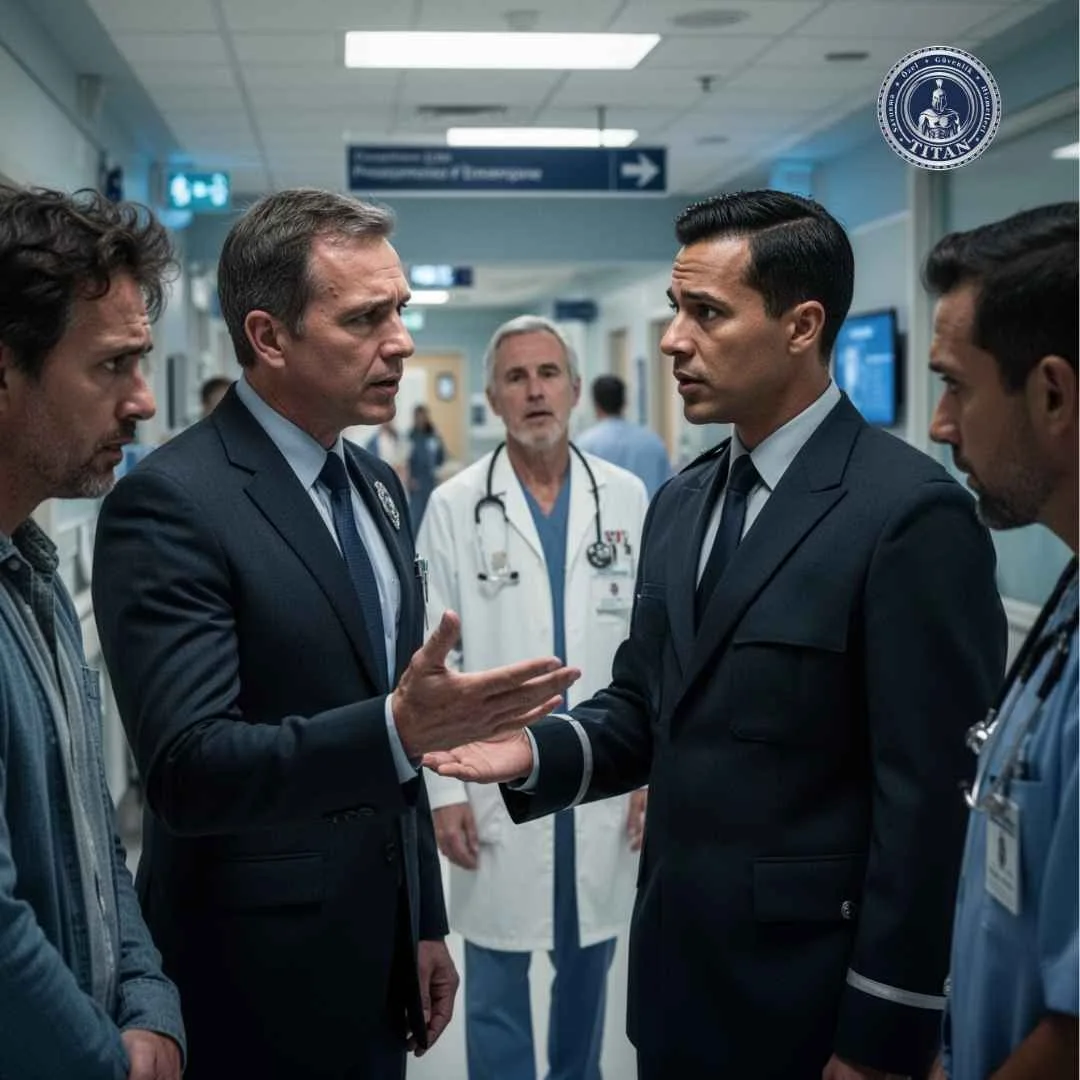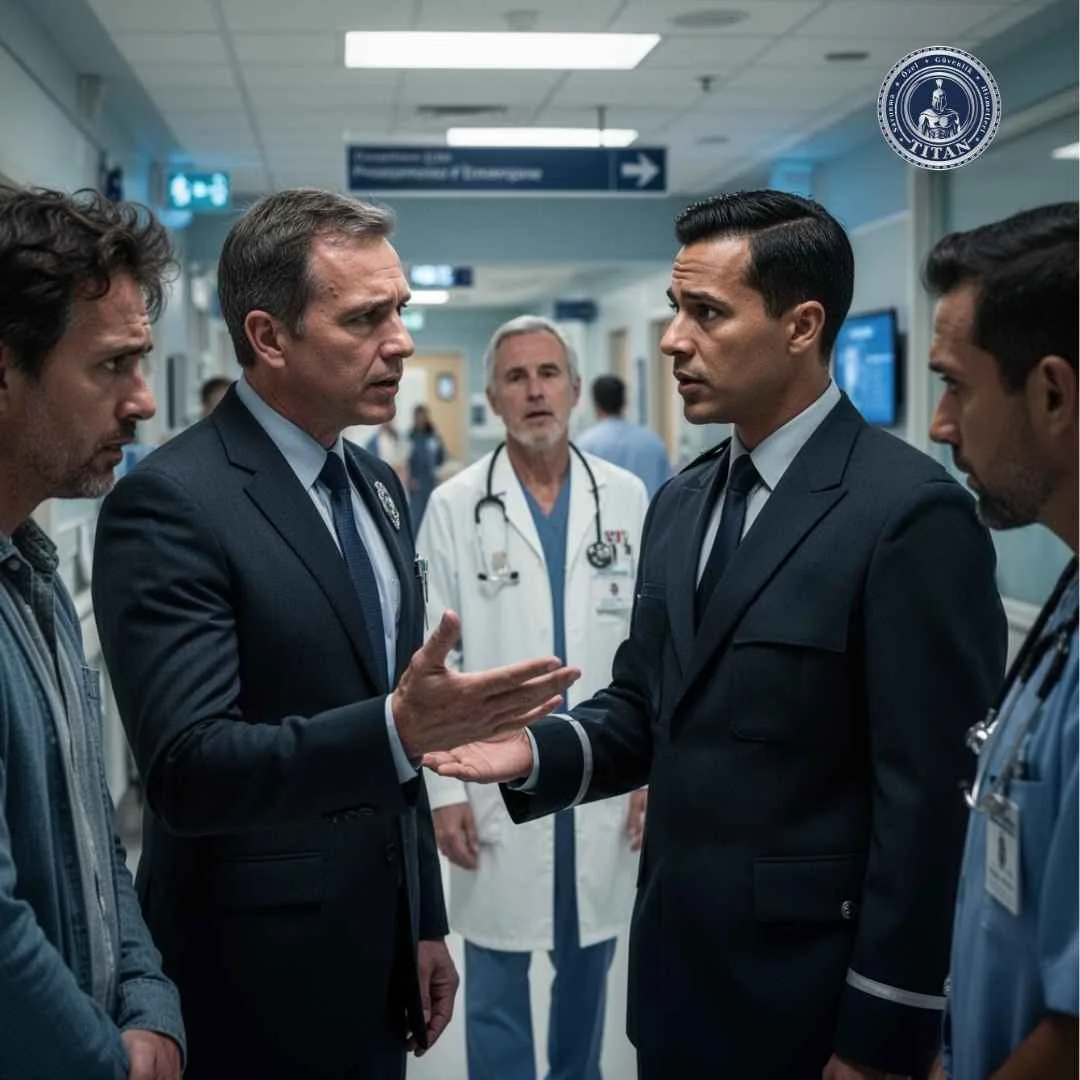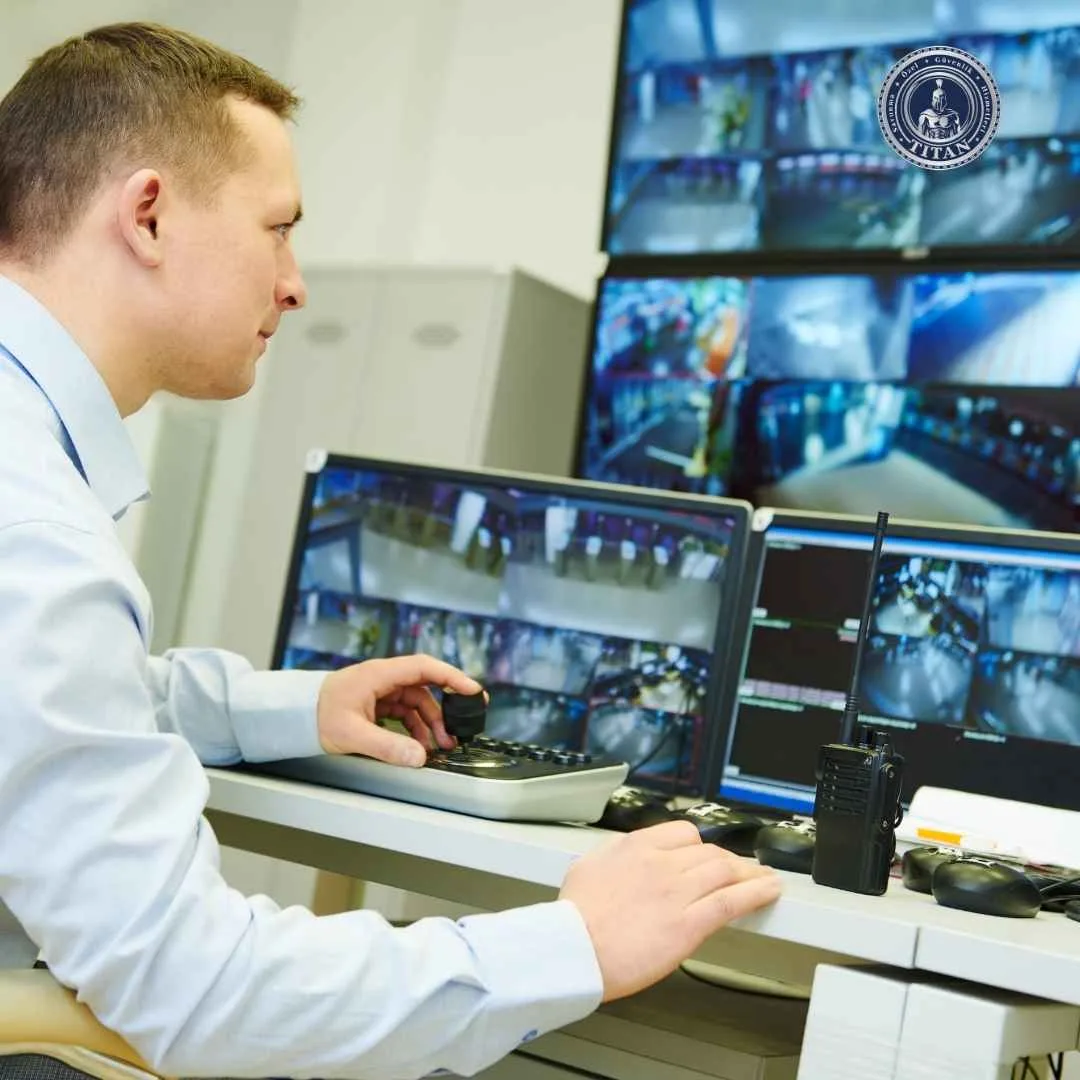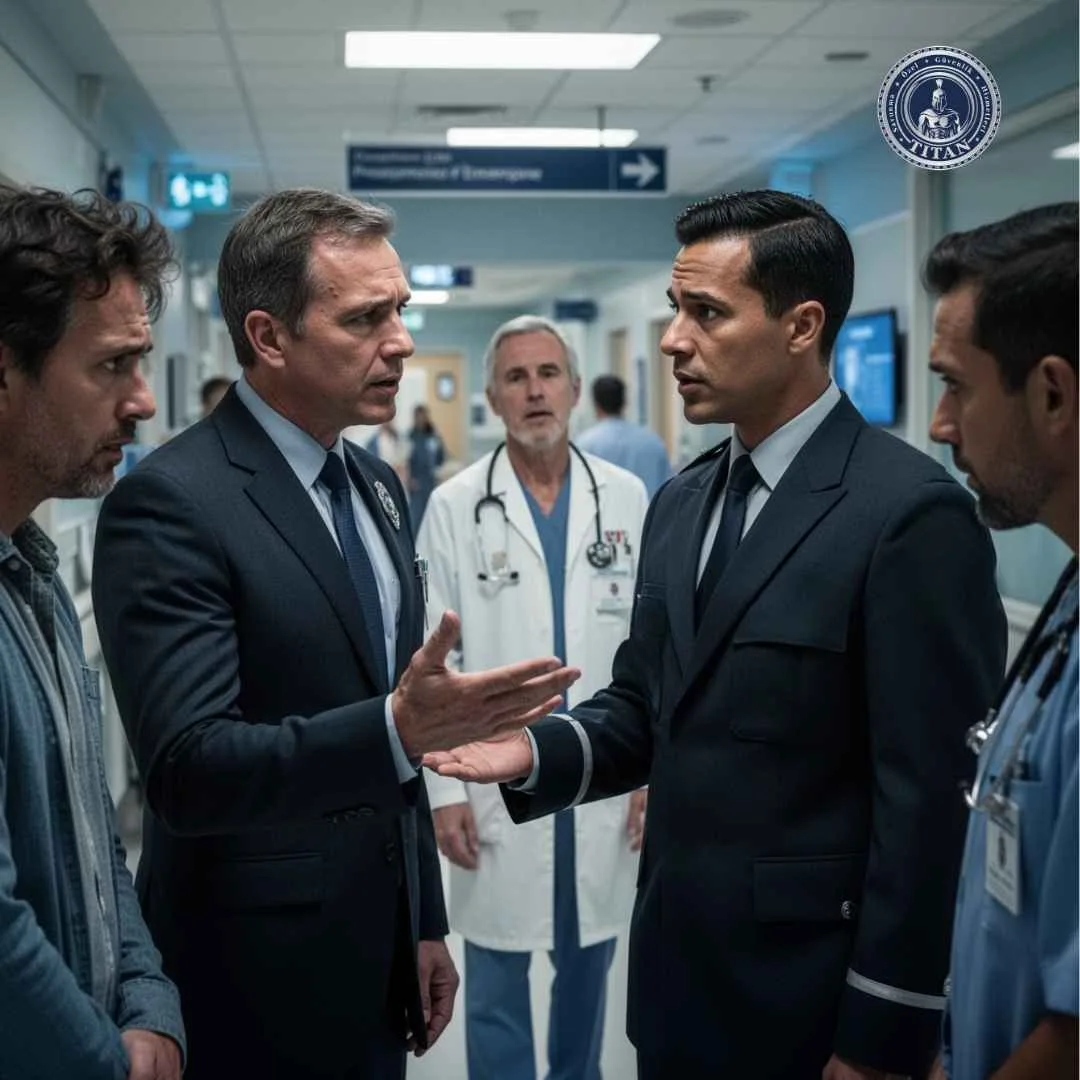
When a well-known artist, a group CEO, a politician or a visiting foreign dignitary is admitted to a hospital in Turkey, the hospital faces two separate risks. The first is physical: crowds, press, curious visitors and occasionally a real threat. The second, and often the harder one, is informational: the patient's floor, diagnosis or a photograph ending up on social media. The source of that second risk is usually not an outsider but a curious person inside the hospital.
The short answer: VIP patient security does not mean giving a patient privileged medical care. It means protecting privacy and safety without changing standard care. That takes a protocol written in advance: who may receive information, which name is used for registration and wayfinding, how visitors and media are handled, how hospital security works with the patient's own protection team, and what is learned after discharge. In Turkey the legal basis for that protocol is the Patient Rights Regulation, Law No. 6698 on the Protection of Personal Data (KVKK) and Law No. 5188 on Private Security Services.
This article is general information, not legal advice.
The legal basis: Patient Rights Regulation and KVKK
Turkey's Patient Rights Regulation (Hasta Hakları Yönetmeliği) contains the provisions a VIP protocol rests on:
- Prohibiting disclosure (Article 20): except where legislation or measures by competent authorities require otherwise, a person may ask that relatives, or anyone at all, not be informed about their health; the request is taken in writing.
- Respect for privacy (Article 21): the patient may expressly ask for privacy protection. The right covers confidential handling of medical assessments, the absence during treatment of anyone not directly involved, and confidentiality about who pays for the care. Death does not give anyone the right to breach privacy.
- Confidentiality of information (Article 23): information obtained through providing health services may not be disclosed in any way except as permitted by law; disclosure without a justified reason that may harm the patient creates legal and criminal liability for staff and other persons.
- Visits (Article 39): visitors are admitted according to the rules set by the institution and without disturbing patients' peace, and the necessary measures are taken.
- Institutional liability (Article 43): where patient rights are breached, a damages claim may be brought against the institution employing the staff.
The words "other persons" in Article 23 matter for security planning: the contracted officer at the door, cleaning staff and car-park attendants are all people who learn that the patient is there.
KVKK classes health data as special-category personal data (Article 6). Data controllers and processors may not disclose personal data they learn in breach of the law, and the duty continues after they leave the post (Article 12). If personal data is obtained by others through unlawful means, the controller notifies the data subject and the Personal Data Protection Board as soon as possible (Article 12). An unauthorised employee opening a famous patient's record out of curiosity is the kind of event that may fall within this provision; the assessment should be made with the hospital's legal and data protection team.
The Ministry of Health's SKS hospital standards set, version 6.1 points the same way. Criterion HHD07 requires patient privacy in all care processes, asks hospitals to define with whom and under what conditions diagnostic and treatment information may be shared, and requires privacy training for all hospital staff. The guidance note to HHD02.03 recognises that some patients' privacy expectations may include not disclosing or concealing their name.
Information control and alias practice
Aliases are the most common VIP privacy tool, but applied wrongly they endanger patient safety. SKS requires an inpatient's wristband to carry identifiers such as the record number, full name and date of birth; the wristband is the basic tool for identifying the right patient during care. A sound practice therefore has two layers:
- Clinical identity: the electronic record, wristband and medical documents use the real identity. This layer does not change.
- Visible identity: the door sign, ward board, reception screen, catering and cleaning lists and the security officer's visitor list use the alias.
Other elements of information control: take the patient's requests under Articles 20 and 21 in writing; give reception and the switchboard a single standard reply ("we cannot give information about a patient by that name"); restrict electronic record access to people directly involved in care, and review access logs after discharge. A commentary by Guzman, Sasidhar and Stoller in the Cleveland Clinic Journal of Medicine, written from US hospital practice, stresses that protecting VIP patients from unauthorised access to the electronic record is as important as protecting them from bodily harm, and perhaps the more difficult challenge. The authors suggest record warnings reminding staff that only those with legitimate clinical reasons should open the record, and restricting access to a few predetermined providers. JCI's 8th edition standards also add a new measurable element on cyberattacks to MOI.01.02, the standard on the safety and security of information, according to JCI's published summary of changes.
Visitor and media management
Article 39 leaves visiting rules to the institution. For VIP patients, these rules are written together with the patient or an authorised representative:
- A visitor list approved by the patient; anyone not on it is not taken to the floor, whoever they say they are, and the patient's representative is informed.
- Visitors enter through a designated entrance, not the main lobby, and are escorted.
- Flowers, gifts and parcels are received at a set point, not on the ward.
- A clear no-photography and no-video rule on the floor, announced to visitors and staff alike.
- Other patients on the same floor keep their visiting rights; VIP arrangements must not penalise them.
On media, Guzman and colleagues are direct: release of health information is at the sole discretion of the patient or a designated surrogate. They recommend designating a single senior physician as spokesperson and holding press briefings away from where the patient is being treated. The security team's job here is not to brief journalists. It is to keep media out of clinical areas, guide them to the designated press point and manage crowds in the car park and around entrances. Officers should have a written instruction: say nothing to the press and refer all questions to corporate communications.
Working with the close-protection team
VIP patients often arrive with their own protection detail. The boundary between hospital security and that team should be agreed before admission. Law No. 5188 on Private Security Services sets key limits:
- Armed private security officers may not be employed in health facilities (Article 8). How this applies to a patient's private protection detail should be settled with hospital management and the governorship (valilik) before admission, not argued at the door.
- Officers assigned to personal protection have the whole country as their duty area while they are with the protected person (Article 9), while the hospital building is also the duty area of the hospital's own security unit or contractor. A written plan should allocate who stands at which door and in which corridor.
- Private security officers wear uniform on duty; the provincial commission may permit plain clothes where the nature of the work requires it (Article 13). If plain-clothes cover is planned on a VIP floor, obtain that permission in advance.
- Coordination with state protection units for officials under official protection is a separate process outside a private security plan.
Guzman and colleagues also stress that clinical need decides where the patient is cared for: moving a patient away from the main clinical area for privacy or security can lengthen response times in an emergency. The security measures they describe include special badges for essential caregivers, moving elective transfers for tests to off-hours, and round-the-clock security staff near the patient, with hospital security alerted in advance of transfers as part of what they call heightened communication. For the wider frame of protective services, see our VIP close protection page.
Implementation checklist
- Before admission: have the patient's or representative's privacy requests been taken in writing? Has an alias been agreed? Who is the spokesperson and the single point of contact?
- Room and floor: was the room chosen on clinical need? Who stands at the floor entrance, and with which list?
- Protection team: have firearms status, posts and communication channels been agreed with hospital security?
- Staff: have the ward team, reception, switchboard and security officers had a short privacy reminder?
- Records: is electronic record access restricted? Does the security incident log use the alias instead of the real name?
- Media: are there instructions for the press point, car park and entrance area?
Debrief after discharge
Every VIP admission is a chance to improve the next one. A short debrief after discharge should ask: did the patient's presence or information leak, and if so through which channel? Was the electronic record opened by anyone not involved in care? Did anyone reach the floor without being on the visitor list? Where did the boundary with the protection team blur? Were other patients adversely affected by the VIP arrangements? If a breach is found, the notification duty in Article 12 of KVKK and the internal disciplinary process should be triggered. Lessons should be written into the protocol without names.
For the security needs of international patients more generally, see our article on health tourism and international patient security, and for our services to hospitals, our healthcare security page.
About Titan Savunma
Titan Savunma is an Ankara-based private security company licensed by the Ministry of Interior under Law No. 5188 and certified to ISO 9001, 14001, 45001, 22301 and 28000. We work with international companies in English and Turkish and plan services with a written scope, a single point of contact and regular reporting. Learn more on our private security company in Turkey page.
Sources and Further Reading
- Guzman, Sasidhar & Stoller — Caring for VIPs: Nine principles, Cleveland Clinic Journal of Medicine 78(2) (2011)
- Mevzuat Bilgi Sistemi — Hasta Hakları Yönetmeliği (RG 01.08.1998/23420)
- Mevzuat Bilgi Sistemi — 6698 sayılı Kişisel Verilerin Korunması Kanunu
- Mevzuat Bilgi Sistemi — 5188 sayılı Özel Güvenlik Hizmetlerine Dair Kanun
- T.C. Sağlık Bakanlığı SHGM — SKS Hastane (Sürüm 6.1) Excel standart seti
- Joint Commission International — Accreditation Standards for Hospitals, 8th Edition: sample pages and summary of changes (2024)