The hospital pharmacy, the main drug store and the locked medicine cabinets on wards are among the places in a health facility that need the most careful protection against theft and misuse. Narcotic medicines prescribed on Turkey's red prescription (kırmızı reçete) and psychotropic medicines on the green prescription (yeşil reçete) demand strict record keeping and access discipline, both for patient safety and for legal accountability. This article explains, at planning level, the physical security side of that discipline: where the private security team fits in.
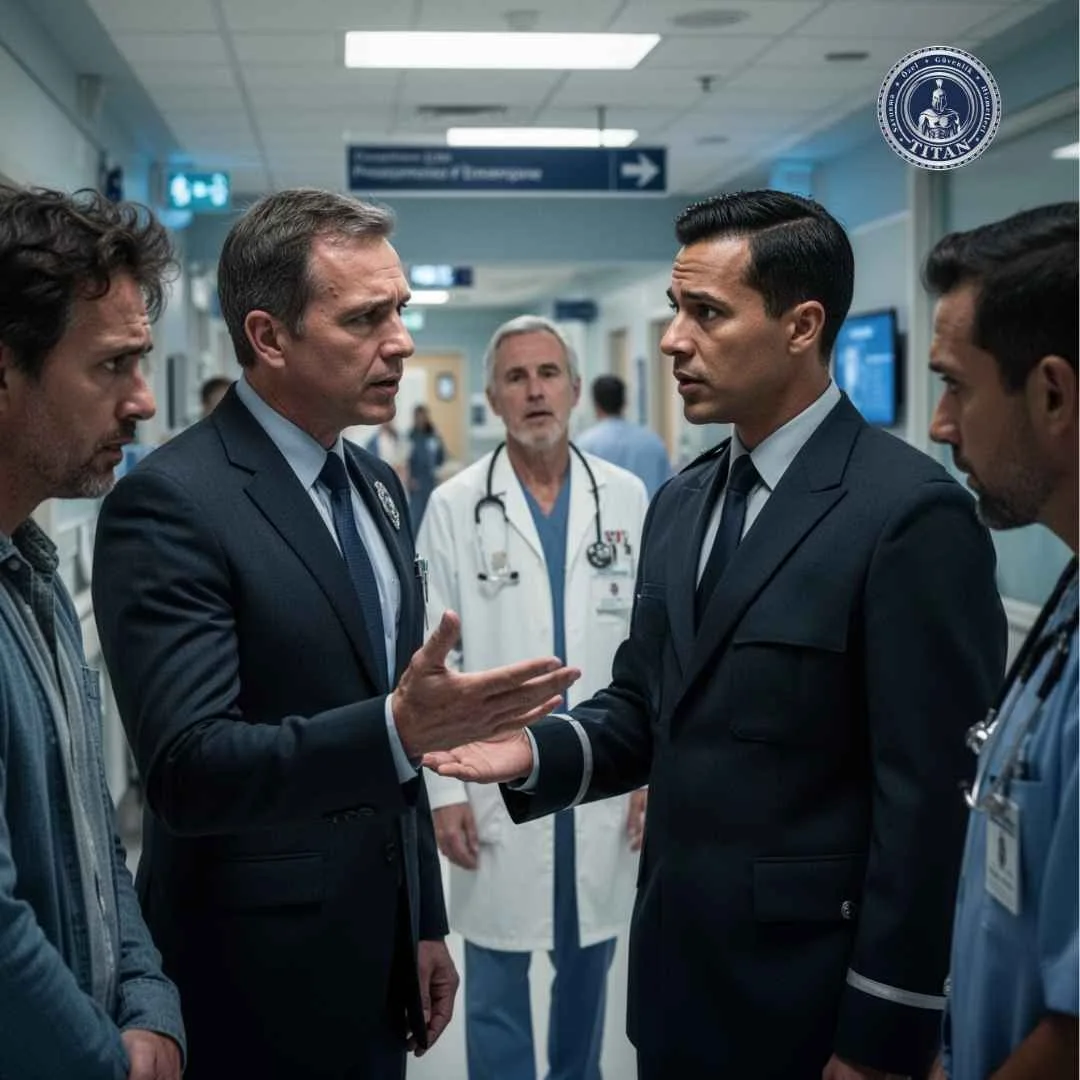
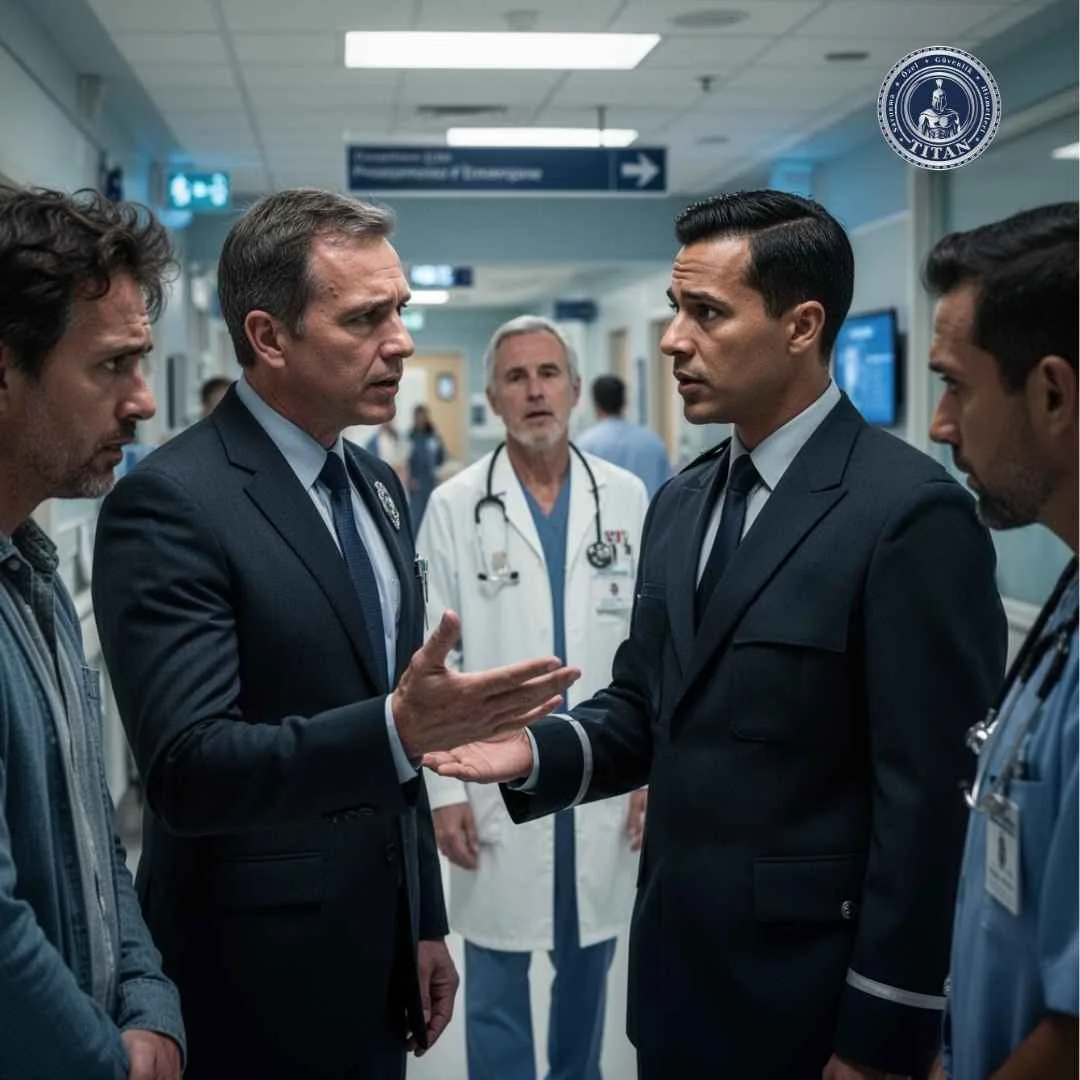
The short answer: pharmacists and ward charge nurses are responsible for the medicines themselves, their counts and their records. Security's job is to control who enters these areas, keep key and access-card rights on record, cover the areas with out-of-hours patrols, receive deliveries in a controlled way and report anything unusual promptly.
This article is general information, not legal advice.
Who sets the rules?
In Turkey, the Turkish Medicines and Medical Devices Agency (TİTCK) controls narcotic and psychotropic substances and the medicines containing them, from licensing, import, export and manufacture through purchase, sale, domestic distribution and stock. TİTCK's circular No. 2016/6 on tracking controlled medicines in inpatient institutions requires the hospital pharmacy to send each clinic's issued narcotic and psychotropic medicine data to the clinic heads, the clinics to check and report consumption and stock back to the pharmacy, and the pharmacy to verify that information.
A training document on pharmacy services prepared by the Ministry of Health's General Directorate of Public Hospitals for on-site evaluators lists, as an assessment criterion, that access to narcotic (red) and psychotropic (green) medicines on wards is restricted, that they are stored appropriately and that hand-over records are kept. It also refers to Ministry instructions on their use, storage, return and destruction inside the hospital, and on what to do when medicines are broken or lost.
Hospitals apply this framework through their own instructions. For example, the narcotic medicine safety instruction published by Erciyes University's Faculty of Dentistry requires narcotics to be kept in locked cabinets, has the ward charge nurse hand them to the duty nurse by count and against signature and take them back the same way at the end of the shift, and requires a written report to the chief physician's office (başhekimlik) when a medicine is lost or broken.
None of these texts gives the private security team a direct task involving the medicines. But restricted access and record discipline cannot be sustained without physical measures such as doors, cards, keys and patrols, and that is the gap the security plan fills.
Where security's role begins and ends
The most common error is either drawing security officers into the medicine process or leaving these areas out of the security plan entirely. A workable split looks like this:
| Task | Pharmacist and ward charge nurse | Private security team |
|---|---|---|
| Stock, counts, consumption records | Carry out and sign | No involvement, no access to records |
| Medicine cabinet keys | Stay with authorised clinical staff | Never received or held |
| Pharmacy and store doors | Decide who is authorised | Monitor card and key rights on record |
| Out of hours | Duty pharmacist runs the process | Patrols, door and alarm checks |
| Loss, breakage, discrepancy | Write the report, notify management | Preserve camera and access logs on request, write an incident report |
Writing this split down clarifies responsibilities in internal audits and in any investigation. Article 37 of the Patient Rights Regulation obliges health institutions to protect property as well as people; physically protecting medicine stocks is a natural part of that duty.
Access control and key management
For the pharmacy, the main drug store and theatre medicine stores, the following planning principles are recommended:
- Named authorisation list: the chief pharmacist decides in writing who may open which door at which hours, and security works from that list.
- Personal cards: no shared cards or shared PIN codes; a lost card is reported the same day and cancelled.
- Key register for building keys: spare door keys held by the security supervisor are issued only in defined emergencies, against signature, with the reason recorded.
- Leavers and movers: card rights of staff who leave or change unit are withdrawn without delay.
- Periodic review: card rights are reviewed at set intervals together with the chief pharmacist.
Audit trail: which records to keep
A good audit trail answers "who entered where, and when" quickly when a discrepancy appears. On the security side, recommended records are:
- access control and alarm system logs;
- a spare key issue and return register;
- patrol records (point, time, observation);
- delivery reception records (vehicle, company, receiving pharmacy staff);
- incident reports.
Camera recordings are personal data under Turkey's data protection law (KVKK): only authorised staff should view them, and they should be shared on request with a signed record. Cameras should not be angled so that patient details on dispensing counters can be read.
Patrols, deliveries and out-of-hours routines
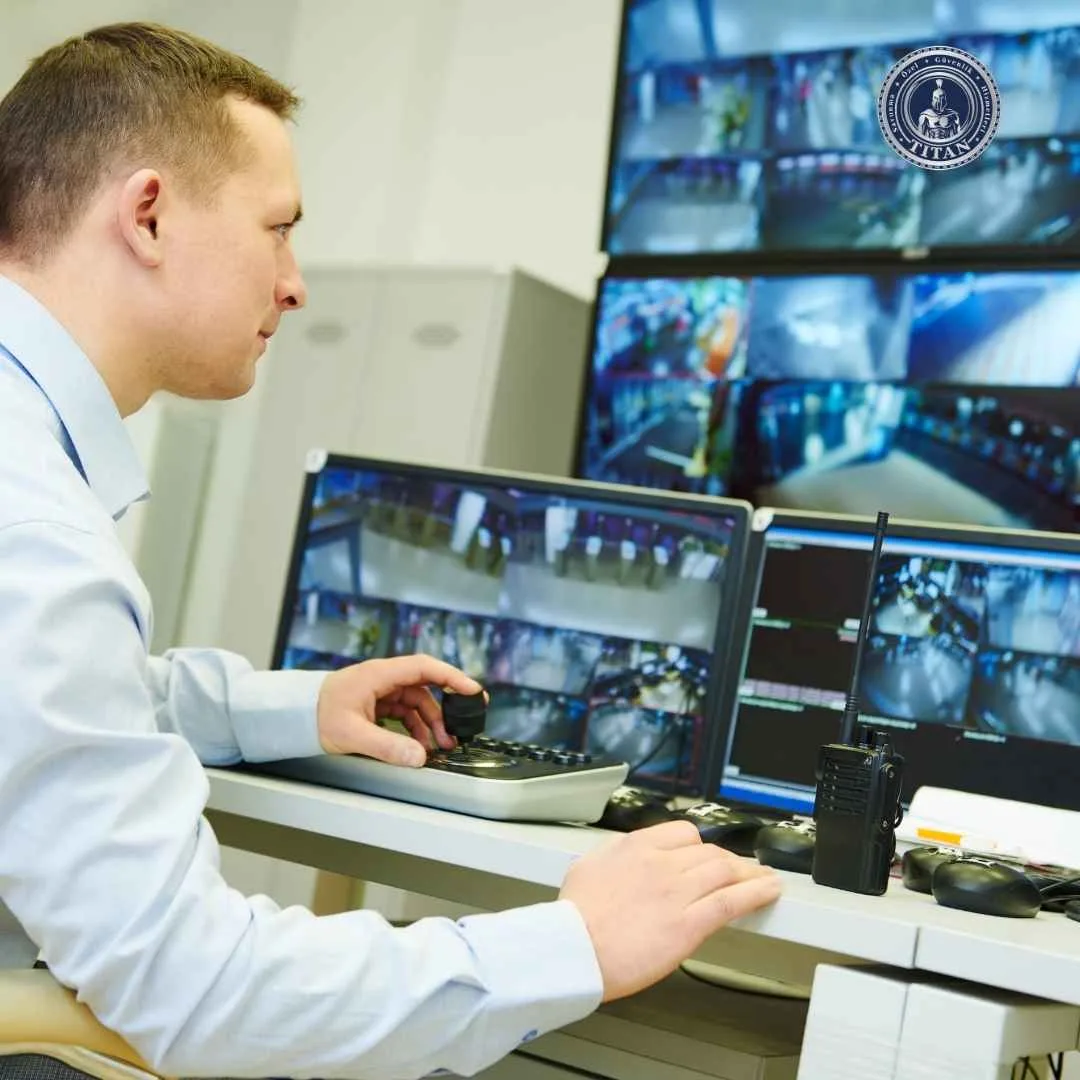
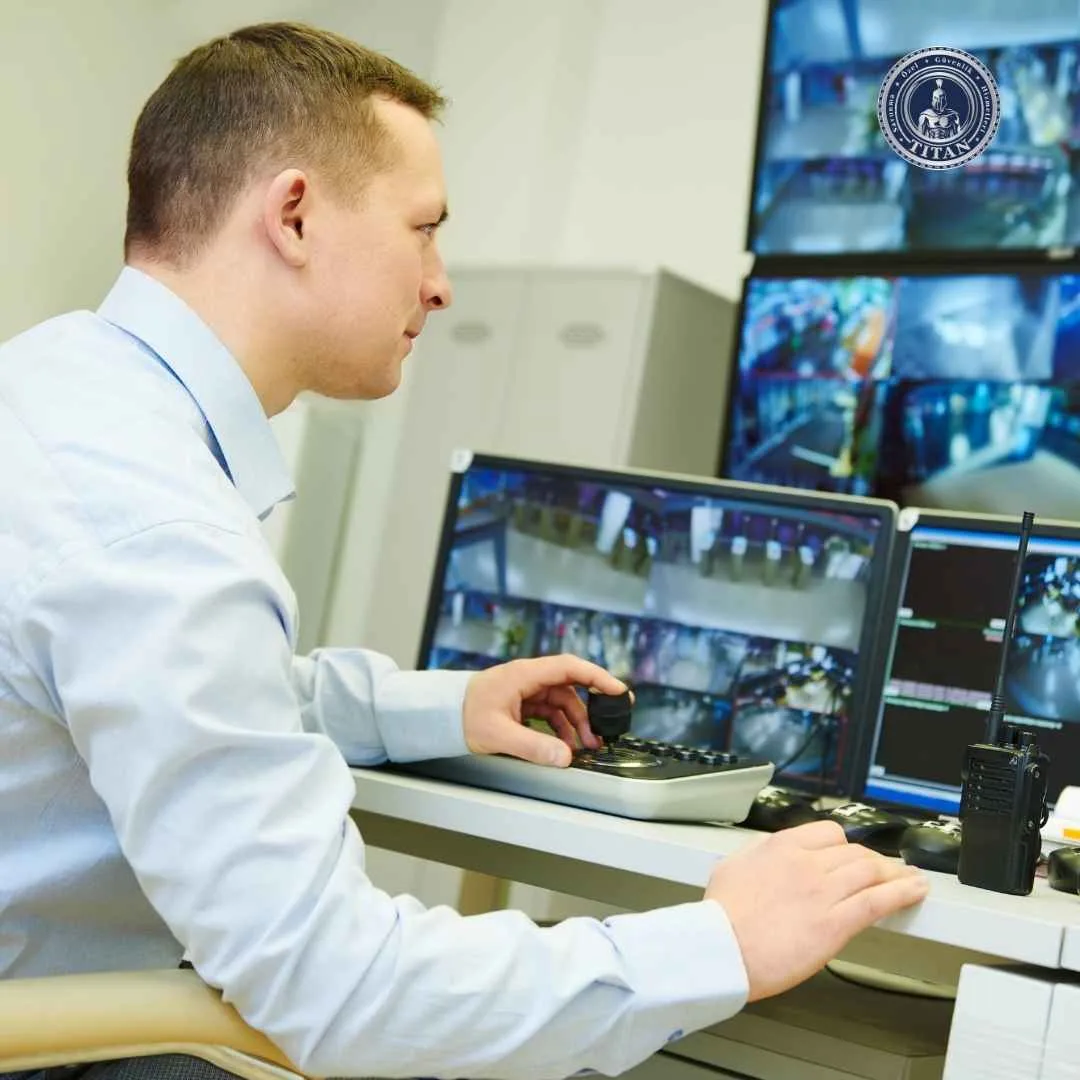
At night and at weekends most hospital pharmacies run on a duty roster and there is less movement nearby. Security patrols should include the pharmacy and store perimeter in their routine, check that doors are closed and alarms set, and report anything unusual (a door left open, a faulty reader, an unfamiliar person) at once to their supervisor and the duty pharmacist. Varying patrol times is good practice.
Deliveries are a risk point too. Receive them at a defined bay, at defined hours and with pharmacy staff present; do not let boxes wait in corridors; security records the vehicle and supplier but does not take possession of the medicines.
Returns and destruction follow the same logic. Under Ministry instructions, returning and destroying expired or partly used controlled medicines is the work of pharmacy and clinical teams. Security does not carry or store the medicines; it supports by recording the vehicle and the handing-over staff when waste set aside for destruction leaves the site, and by making sure the holding area is locked and monitored. The same approach applies to other units that hold stock, such as operating theatres, intensive care and the emergency department.
Checklist and common mistakes
- Are controlled medicine areas a separate heading in the security plan?
- Is there a current, named authorisation list for the pharmacy and stores?
- Are there shared cards, shared codes or a key hiding place "everyone knows"?
- Is every use of spare keys recorded?
- Do out-of-hours patrols cover the pharmacy and stores?
- Are security and pharmacy roles separate at delivery reception?
- When a loss or breakage report is written, is there a route for preserving security records?
Common mistakes: leaving medicine cabinet keys at the security desk, wedging the pharmacy door open at busy times, former staff keeping card access for months, and patrol records turning into a sheet that is simply signed.
Read more on our healthcare security and logistics and warehouse security pages.
Titan Savunma is an Ankara-based private security company licensed by the Ministry of Interior under Law No. 5188, holding ISO 9001, 14001, 45001, 22301 and 28000 certificates. We work in English and Turkish and plan services for sites in different provinces of Turkey with a single point of contact, written scope and regular reporting. See our private security in Turkey page for details.
Sources and Further Reading
- Genelge 2016/6: Yataklı Tedavi Kurumlarında Kontrole Tabi İlaçların Takibi, Türkiye İlaç ve Tıbbi Cihaz Kurumu
- Eczacılık Hizmetleri Yönetimi Boyutu, Sağlık Bakanlığı Kamu Hastaneleri Genel Müdürlüğü (2021)
- Narkotik İlaçların Güvenliği Talimatı, Erciyes Üniversitesi
- Hasta Hakları Yönetmeliği, Mevzuat Bilgi Sistemi
- 5188 sayılı Özel Güvenlik Hizmetlerine Dair Kanun, Mevzuat Bilgi Sistemi