
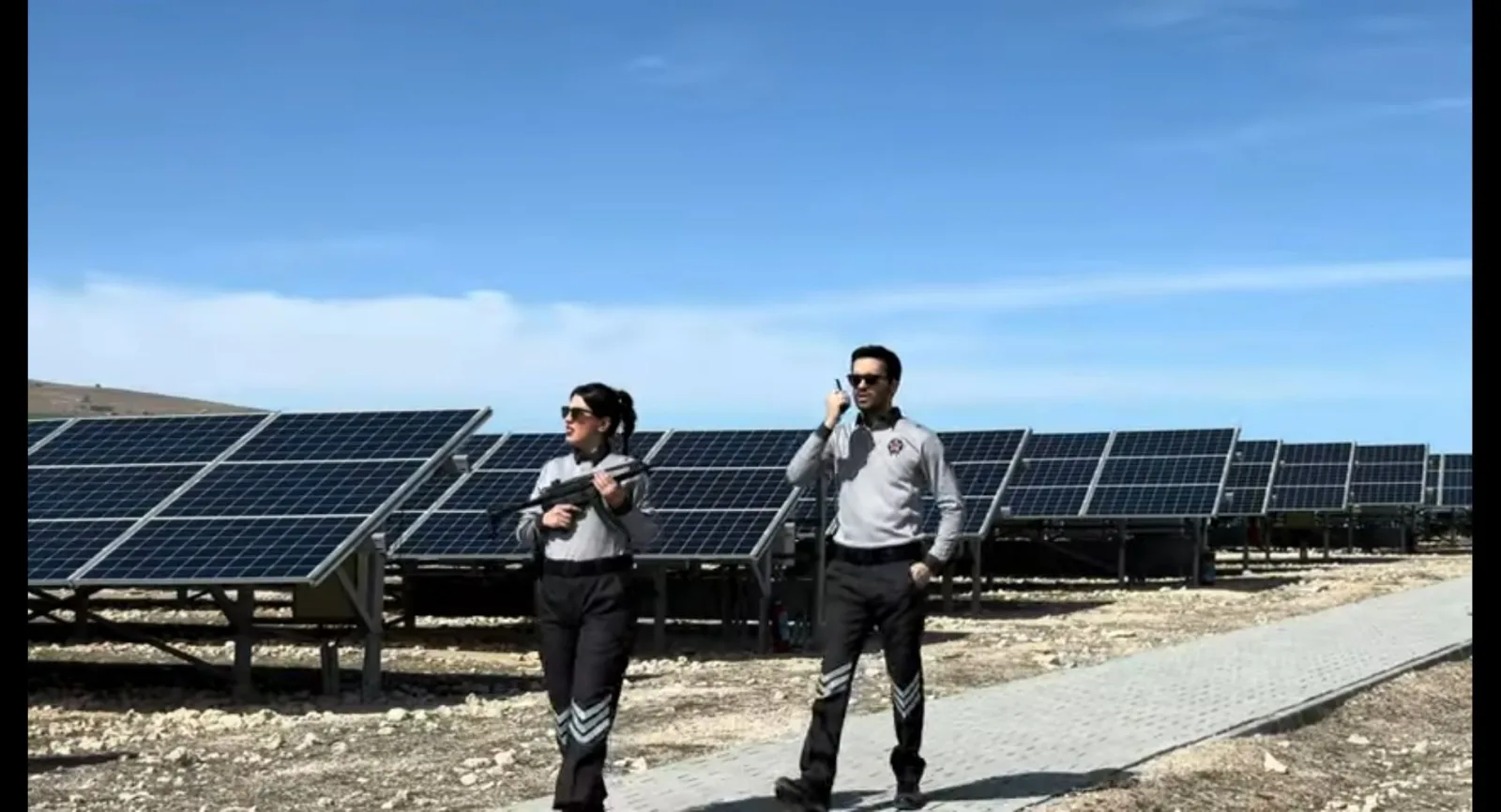
Most fence alarms are not caused by an intrusion. They come from a fence shaking in the wind, rain, animals, vegetation touching the line, loose fixings, installation faults or skipped maintenance. Most of these causes can be found and reduced, but the method is not switching the system off or blindly lowering its sensitivity. It is reading the alarm log, keeping the site and the system maintained, and having a person verify every alarm.
This article is for sites running perimeter intrusion detection systems (PIDS) and the managers of their control rooms. It gives no settings or technical thresholds; it explains why human verification and maintenance are needed and how to tackle unwanted alarms systematically. Our PIDS encyclopedia entry explains what the system is.
False alarm or nuisance alarm?
In everyday speech any unnecessary alarm is a "false alarm". Making a distinction helps solve the problem. Sandia National Laboratories' course notes on sensor operations split alarms into two groups: valid alarms, caused by an adversary entering the detection zone, and all other alarms, which are nuisance alarms whatever their cause. False alarms are a subset: alarms from an unknown source. The notes give a useful example: if a bird or a rabbit set off the alarm and the assessment camera shows it, the alarm was not valid, but it was not false either, because the sensor responded correctly to a real object; it was a nuisance.
The practical value is this. Nuisance alarms with a known cause are usually fixed on the ground: vegetation, wildlife, the condition of the fence. False alarms with no identifiable cause point to equipment, cabling, power or installation issues and need technical investigation. Either way, you first need someone who sees the cause.
Environmental causes
The UK National Protective Security Authority's guide to perimeter intrusion detection systems states that false alarms should be anticipated for every type of PIDS and minimised by choosing the technology best suited to the site; NPSA's perimeter intrusion detection page adds that no PIDS would achieve zero false alarms. The causes highlighted in the guide's technology comparison include:
- Wind: on barrier-mounted systems, vibration of the fence and its topping in high winds is a significant source of false alarms.
- Water and humidity: water accumulating after heavy rain can affect buried systems, and humidity can reduce the performance of some electric-field types.
- Wildlife and vegetation: animals, plants moving in the wind and tree roots trigger some systems.
- Coastal conditions: build-up of conductive material such as salt on electric fence insulators can cause false alarms.
- Fog, sunlight and seasons: some free-standing detectors and video analytics are affected by weather and light; the guide notes that video analytics need reconfiguring for seasonal variation.
The NPSA page also lists passing trains and blown debris. That is why the guide's selection questions matter: is the site exposed to strong winds, is fog common, will local wildlife set off the system, is there a public footway nearby that may trigger alarms?
Installation and system causes
Some alarms come not from nature but from the system itself. NPSA's guidance stresses:
- Fence and sensor match: a barrier-mounted sensor must be fitted to the barrier it was designed for. A fence that is too rigid will not carry vibration; one that is too flexible produces false alarms in wind and rain.
- Manufacturer's procedure: systems should be installed to the manufacturer's procedures; otherwise liability becomes hard to establish when the system underperforms.
- Zones matched to cameras: zones must be defined to match the correct camera views, or operators cannot verify alarms.
- Fixings and condition: the integrity of cable ties on barrier-mounted systems and the condition of the fence itself belong on the maintenance list.
- Power: the uninterruptible or standby power supply should be checked regularly.
Alarm log analysis: data, not guesswork
The strongest tool against unwanted alarms is an alarm log that is actually read. NPSA's guide recommends, as part of preventive maintenance, assessing the number of false alarms, comparing zones and looking for trends to see whether a zone warrants further investigation. A good routine looks like this:
- Record the verification result for every alarm: what did the camera show, what did the patrol find? Use fixed categories such as wind, animal, vegetation, staff, no cause found.
- Count by zone: if one zone keeps standing out, the problem probably lies in that stretch of fence, ground or installation.
- Compare with weather and time: do alarms cluster on windy days, at irrigation times, at shift change?
- Check again after maintenance: did the fix actually reduce alarms?
A growing "no cause found" category points to genuine false alarms that need technical investigation, and lets you go to the maintenance contractor with evidence.
Why switching off or blindly desensitising is dangerous
Faced with a zone that never stops, the easy reaction is to isolate it or turn the sensitivity down. NPSA describes sensitivity as a balance: set too high, it floods operators with alarms; set too low, it risks an undetected breach. The Sandia notes approach the same problem from the other side: when the nuisance alarm rate is high, a "cry wolf" effect erodes operators' trust and real detection suffers. Too many alarms and blind adjustment can end in the same place: a missed event.
So these rules belong in post orders and the maintenance contract:
- A zone is isolated only with written approval from an authorised person, for a set time, and logged.
- Compensating measures are planned for an isolated zone. NPSA's guide says every effort should be made to provide temporary cover for any part of the perimeter left unprotected by unserviceable equipment; in practice that often means an extra patrol or a staffed post.
- The system is retested after every adjustment. The guide notes that commissioning tests provide the baseline against which future deterioration is measured, and that tests must be repeated if adjustments are made.
- Set-up parameters are recorded in the handover documentation, and changes are documented in the same way.
The maintenance and verification chain
NPSA's guide calls for regular site maintenance: vegetation kept cut back, long grass avoided, the site kept tidy, the detection zone kept clear of foliage, and wildlife prevented from interacting with the barrier or detection zone. System maintenance covers the physical condition of equipment, the condition of the fence, cable ties, the surface of the detection area and standby power. Operators should know who has authority to call out the maintenance team and what the response time should be.
The chain runs like this: the sensor detects, the control room operator verifies on camera, a patrol goes to the zone if needed, the result is logged, the log is reviewed, maintenance fixes the cause, and the system is retested. There is a person at every link. See our security operations centre entry for the control room's role.
Short checklist
- Is the verification result logged for every alarm, using fixed categories?
- Is a monthly zone-by-zone alarm report shared with the maintenance contractor?
- Are vegetation control and fence repair part of the security plan?
- Are zone isolation and setting changes tied to written approval, a time limit and compensating measures?
- Is the system retested after every intervention, with the result recorded?
- Do operators know who can call out maintenance and how quickly they should arrive?
To get a rough view of monitoring and patrol needs for your site, try our security coverage planner.
Working with a security partner
Titan Savunma is an Ankara-based private security company operating under a Ministry of Interior licence under Law 5188, with ISO 9001, 14001, 45001, 22301 and 28000 certificates. We work with international companies in English and Turkish and plan sites in different provinces with a single point of contact, written scope and regular reporting. Reducing unwanted alarms is a job of maintenance and verification; we plan manned guarding together with your technology and review your monitoring and response plan with you. Learn more about our critical infrastructure security.


