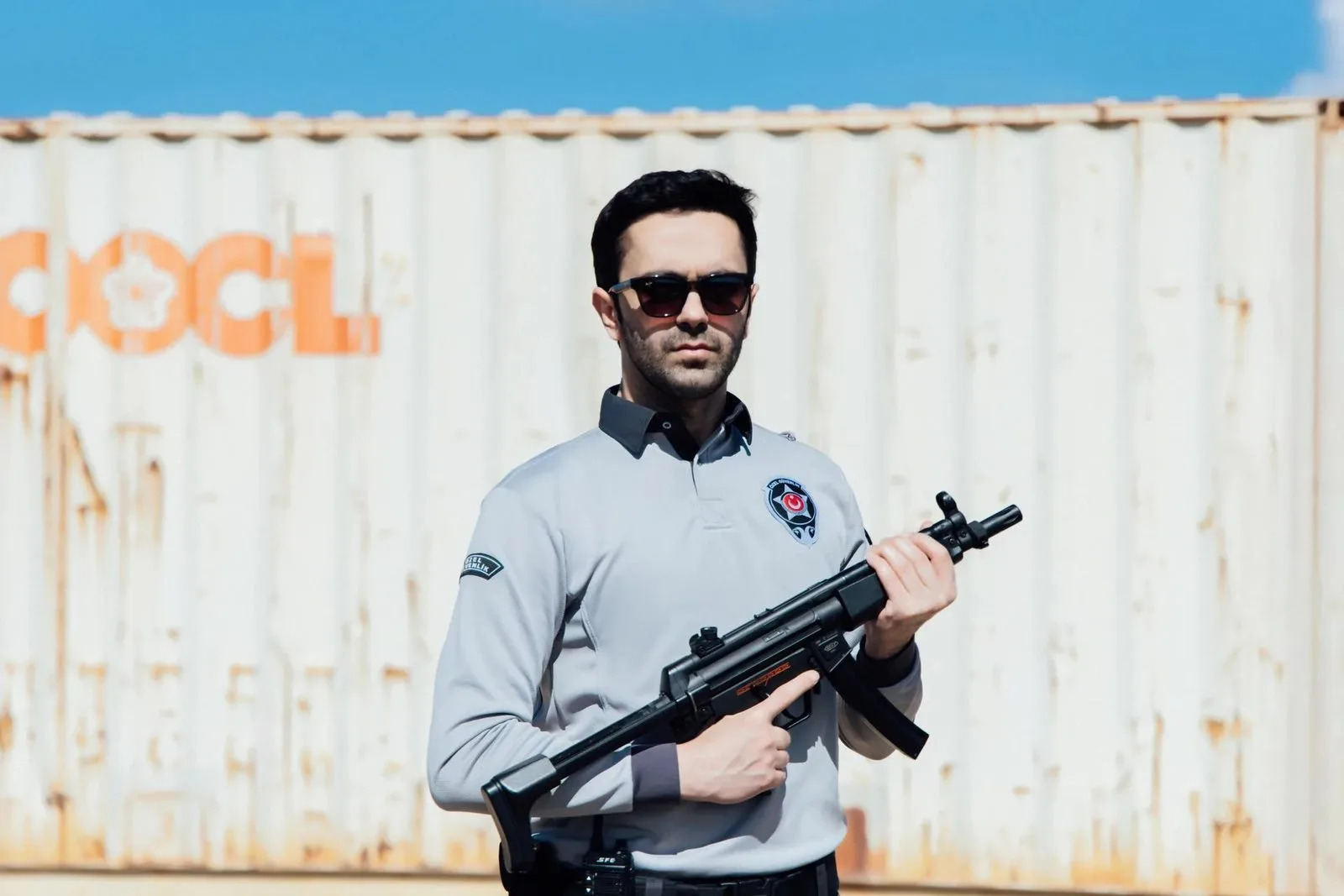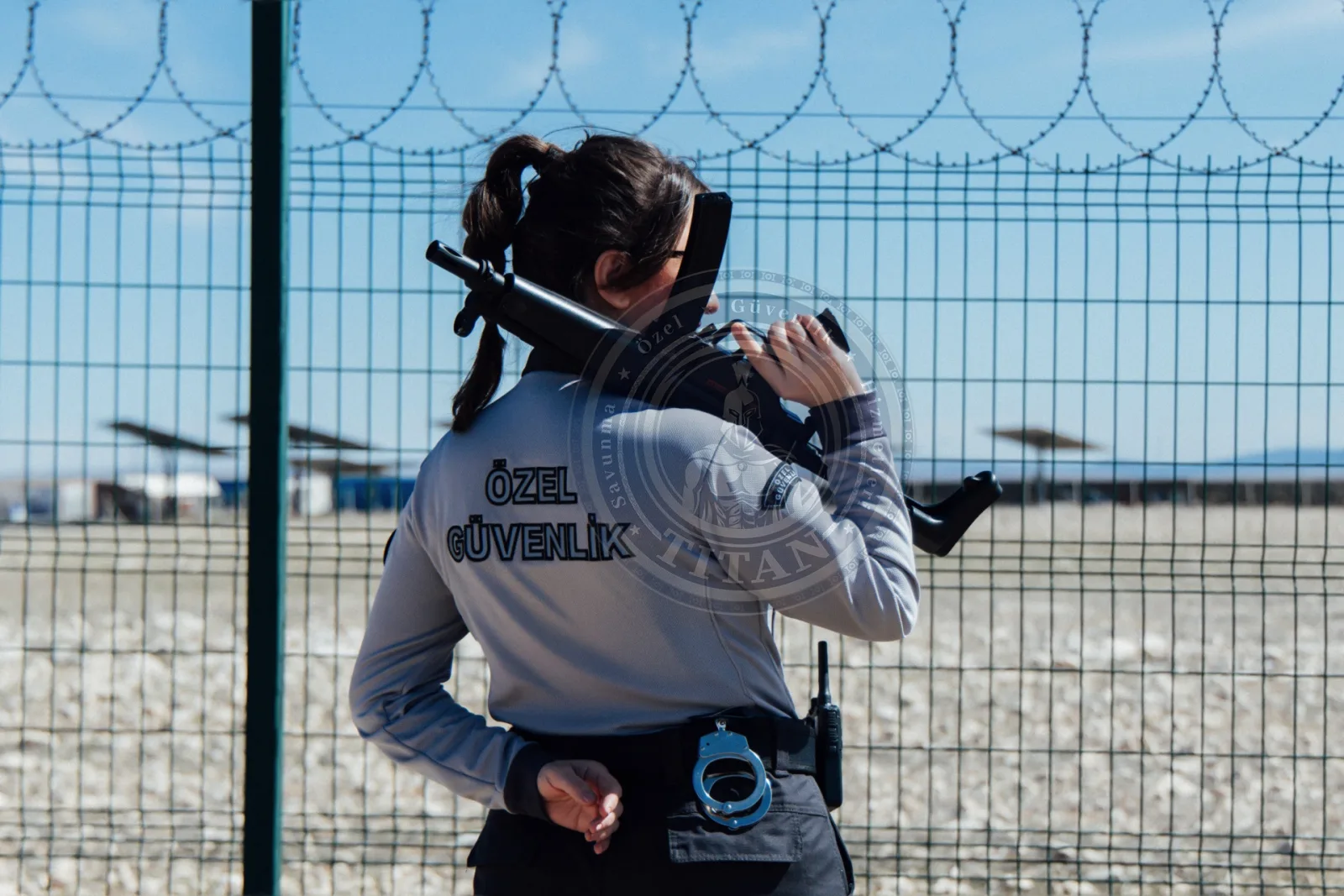
Judging theft risk at a solar plant by the number of cameras is misleading. The real question is who notices a breach, how quickly, and how much harder the thief’s work becomes before anyone arrives. Fencing, lighting, patrols, cameras and reporting are all parts of the answer. If one is missing, the others may not deliver what you expect.
What do we know about the scale of the problem?
Most detailed public data comes from the United Kingdom. According to Electrical Review, the security provider DeterTech reported that more than 750 kilometres of cable was stolen from UK solar farms between January and August 2024. An analysis in PV Tech says cable accounted for about two-thirds of reported offences and panels for just under one in five, with around 10 per cent involving fencing, gates and locks.
A 2025 Thames Valley Police response says earthing cable made up 43 per cent of solar farm thefts between January 2022 and September 2024, and that repeat victimisation is high. Many of these figures rely on a security firm’s data and cannot simply be transferred to Turkey. They still offer two planning lessons: the target is often cable rather than panels, and a site that has been hit may be hit again.
Start with a site walk: how would a thief get in and get out?
Before choosing products or staffing, walk the fence line with operations, maintenance and security representatives. Mark the answers to these questions on a map:
- How close can a vehicle get to the fence? Where are the farm tracks, gravel roads and crossings from neighbouring land?
- Can cable routes, string cables, inverters and transformer areas be seen from the outer fence?
- Where are spare cable drums, removed materials and scrap kept?
- Which sections cannot be seen at night from cameras or the road?
- Which law enforcement unit is nearest, and how long does it really take to reach the site?
The last question matters most. Thames Valley Police writes that in its own area, rural sites can, in the most favourable case, expect a response taking up to 15 to 20 minutes. That figure cannot be assumed for a site in Turkey. You will not know your own time until you test it, so measure it in an exercise.
Fencing: the aim is to deter, delay and detect
The same police response defines the purpose of security fencing as to deter, delay and detect. It explains that a standard fence may deter an opportunist but not an organised group, and that even when remote detection reports an attack, a response still has to travel to the site. For remote sites in its area it recommends the LPS 1175 security rating. That is not a mandatory standard in Turkey, but it prompts a useful question: how many minutes would your fence hold out against portable power tools?
In practice, check the following:
- Can someone get under the fence or past the edges of a gate?
- Are gate locks and chains checked regularly? DeterTech’s warning, reported in Energy Global, treats missing locks and chains on gates to outside roads as a possible sign that a site has drawn unwanted attention.
- Who repairs fence damage, and how quickly? The PV Tech analysis advises regular perimeter checks and prompt repairs.
Lighting: do not treat it as a solution on its own
The UK’s National Protective Security Authority describes security lighting as something that supports the guard force. At a solar plant that support depends on context. Lighting a large rural site from end to end can be costly and adds little if nobody is watching. It makes more sense to start by thinking about gates, transformer and inverter areas, and critical points on the patrol route.
Run a night test before deciding. See what the camera shows in the dark, under headlights and in rain.
Patrols: keep them unpredictable and do not overload one person
A patrol’s value lies less in the number of rounds than in what it checks and reports. Each round can cover specific items: the fence line, gates, cable duct covers, panel locks and vehicle tracks. A patrol following the same route at the same time can be watched. Incidents reported by Energy Global describe organised groups surveying sites in advance, and a case in Derbyshire where patrols were drawn to another location before cable was stolen from the main site.
So agree in advance what happens when a lone officer leaves to attend an alarm and the rest of the site is empty. Where officers work alone, put regular contact, who is told when contact is lost and how help will arrive in writing.
Officers may use the powers in Article 7 of Law No. 5188 only while on duty and within their area of duty, as Article 9 provides. Incidents requiring apprehension or the use of force are reported to the general law enforcement agencies by the fastest available means. Instructions should put observation, distance, reporting and protecting the scene first.
Cameras: blind spots, faults and legal limits
The first check on a camera investment is whether it works. The PV Tech analysis advises auditing camera systems for faults and blind spots, and says visually verified detection can help with real-time response. DeterTech’s advice likewise is to verify that cameras work properly and that the alarm monitoring side can actually respond.
Cameras process personal data. The Turkish data protection authority’s notice of 8 June 2026 calls for a specific purpose, proportionate positioning and viewing angles, informing people, keeping recordings for the shortest possible time and limiting access to authorised people. Audio recording needs its own lawful justification. At a solar plant this raises practical questions, such as whether a camera angle records neighbouring land or a road unnecessarily.
When a cable is cut, treat it first as an electrical event
If an officer finds cut cable or an opened panel after a theft, they should not touch the material. The BRE report for fire and rescue services says parts of a system stay live while modules are exposed to daylight, and that cut cables create an electric shock risk. If earthing conductor has been stolen, it should not be treated as a mere materials shortage. Turkey’s regulation on earthing in electrical installations requires high-voltage earthing systems to be sized with touch and step voltages in mind. The electrical lead should decide whether the area is safe.
The reporting chain: who calls whom, and when?
| Finding | First report | What not to do |
|---|---|---|
| Suspicious vehicle on or near the site | Control centre, general law enforcement if needed | Approach alone |
| Cut fence, removed lock | Control centre and operator contact | Disturb evidence or repair at once |
| Cut cable, open panel | Electrical lead and general law enforcement | Touch or gather the cable |
| Camera or connection loss | Control centre and technical lead | Leave the fault unlogged |
Article 20 of Law No. 5188 provides a sanction where officers and managers learn of a crime through their duties and do not inform the general law enforcement agencies, so instructions should settle any habit of asking the operator first. The PV Tech analysis advises reporting all incidents whatever their value and visibly upgrading security after an attack.
Remember construction and maintenance periods
Periods when cable drums and panels sit on site in quantity can also attract attention. The same analysis advises securing drums and panels during construction, asking unexpected visitors for identification and keeping materials out of view from the perimeter.
To turn these measures into a plan, talk to us through our pages on solar power plant security, energy generation and distribution security and critical infrastructure security.
Sources and Further Reading
- Electrical Review: Solar farms report unprecedented surge in cable thefts (4 Aralık 2024)
- PV Tech: The power play disrupting organised crime against solar farms (3 Şubat 2025)
- Thames Valley Police: Designing Out Crime görüşü, güneş santrali başvurusu (28 Mart 2025)
- Energy Global: DeterTech announces significant rise in UK solar farm thefts (30 Nisan 2025)
- NPSA: Unauthorised entry guidance (UK Government Web Archive kopyası)
- 5188 sayılı Özel Güvenlik Hizmetlerine Dair Kanun (Mevzuat Bilgi Sistemi)
- KVKK: İş Yerlerinde Güvenlik Kamerası Sistemi Kullanımında Dikkat Edilecek Hususlara Dair Kamuoyu Duyurusu (8 Haziran 2026)
- KVKK Kurul Karar Özeti 2022/797: Güvenlik kamerası ve yüz tanıma
- BRE National Solar Centre: Fire and Solar PV Systems, Recommendations for the Fire and Rescue Services (2017)
- Elektrik Tesislerinde Topraklamalar Yönetmeliği (Lexpera)