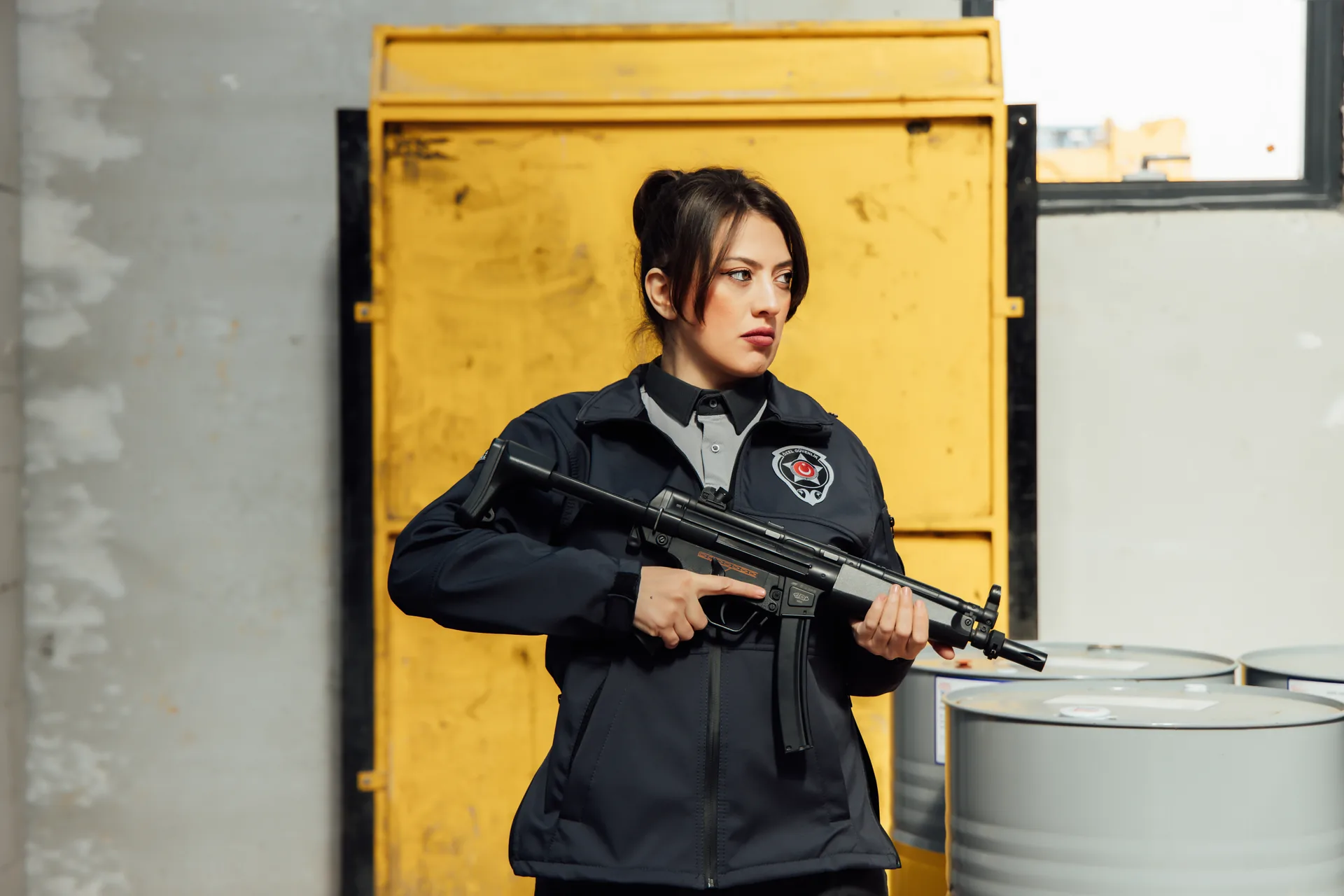
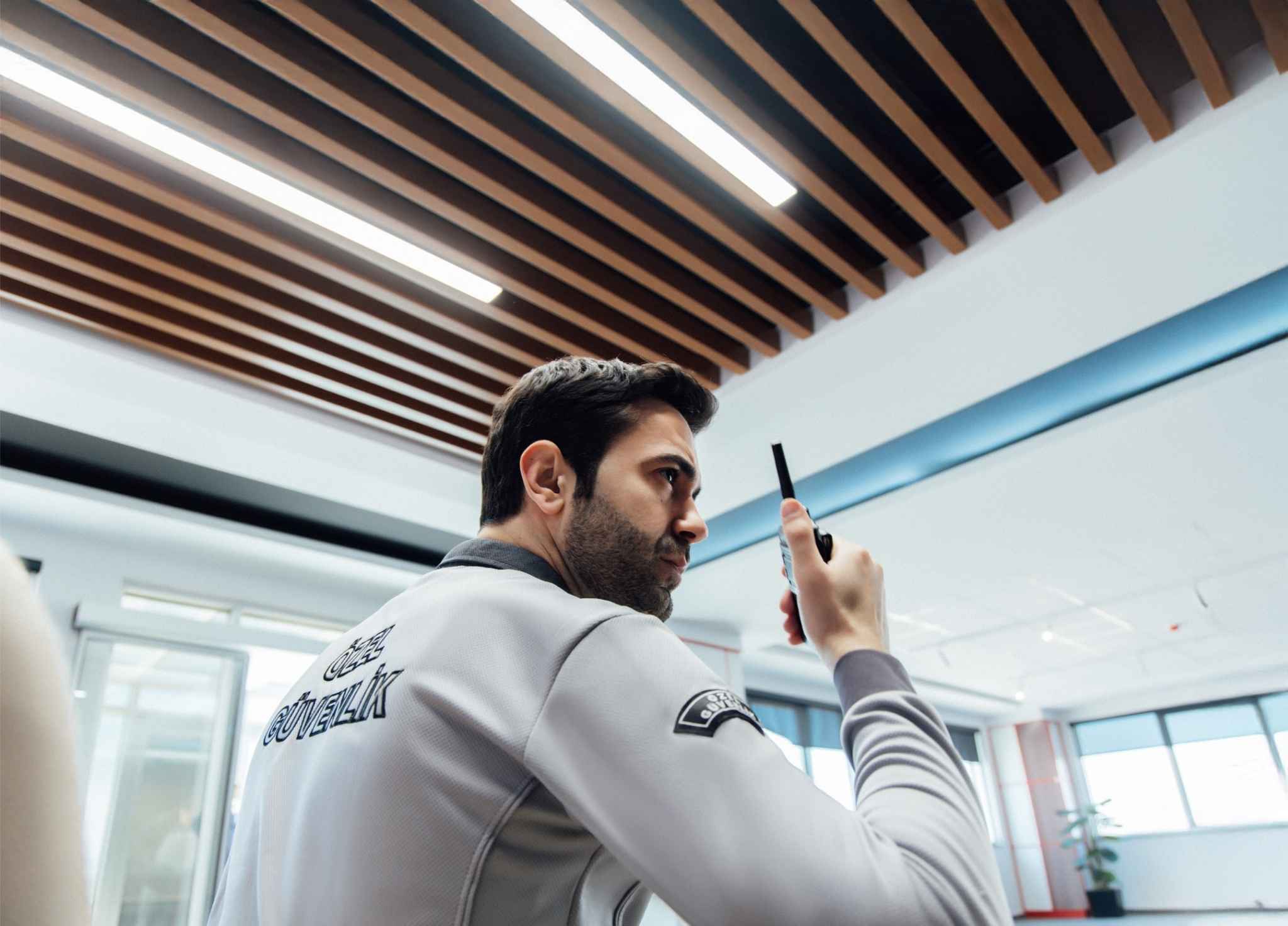
The 2025 SGK yearbook shows 7,795 insured employees at Hakkari’s temporary workplaces, equal to 29.7% of the provincial total. Electricity, gas and steam holds 2.8 times its national weight in provincial employment, and the 1,363 insured staff in civil engineering give their branch much the same multiple, about 2.8. Power line and road jobs need cable, materials, diesel and plant watched over. According to a statement by the Minister of Industry and Technology on 6 November 2025, the province also has a 145-hectare organised industrial zone; as its infrastructure is completed, new building sites follow.
Meteorological service data for central Hakkari spanning 1961–2025 describe the climate in which these sites are guarded: a January mean of −4.4 °C, February nights averaging −6.6 °C, a lowest recorded temperature of −23.4 °C, and the deepest snow cover, 260 cm, logged in February 1992. In July the mean climbs to 24.8 °C. What we propose for outdoor duty:
- A heated booth that keeps out the wind, layered clothing, boots that grip and short spells outside
- Trying floodlights and cameras when snow or fog shuts down visibility, and reporting wire fencing, gates and eaves bowed by the weight of snow
- A standby list for heavy-snow days, and no post abandoned before the person taking over arrives
For events such as fire, heavy snow, flooding or a power cut lasting days, an organisation’s emergency and business continuity plan needs a part belonging to the security team. That part is hands-on: freeing electric gates and barriers manually, taking people out to a muster point swept of snow, leaving a lane for rescue vehicles and supporting the count from the shift list. Each task goes to a named officer, and we rehearse the lot together in the organisation’s drill.